


Our Most Popular Categories
Trending
Health and Social Care
Safeguarding
First Aid
Care Certificate
Food Hygiene
Mental Health
Health and Safety
Animal Care & Training
Business Essentials
Career Bundles
Other Courses

- Yearly Subscription: Unlimited Access to 500+ Courses
- Level 3 Safeguarding Children and Vulnerable Adults
- Level 5 Designated Safeguarding Lead (DSL)
- Care Certificate Course
- Safeguarding Level 4 Training
- Health and Social Care Level 3 Diploma
- Accredited Dog First Aid, CPR and Grooming
- Trauma-Informed Care Training
- Level 3 Safeguarding Children and Vulnerable Adults
- Level 5 Designated Safeguarding Lead (DSL)
- Safeguarding Level 4 Training
- Designated Safeguarding Lead (Level 3 DSL Training)
- Safeguarding Adults Level 3
- Level 2 Safeguarding Children and Vulnerable Adults
- Level 3 Diploma in Nursing Assistant Training
- Safeguarding Adults Training Level 3
- Care Certificate Course
- Mandatory Training For Care Staff and Care Workers
- Level 2 Safeguarding Children and Vulnerable Adults
- Care Planning and Record Keeping in Health and Social Care
- Family Support Worker Training
- Training For Care Workers (Complete Package)
- Care Certificate Standards (1 to 16) + Level 2 And 3 Diploma in Health and Social Care
- Mandatory Training for Care Home Staff Training
- Accredited Dog First Aid, CPR and Grooming
- Pet Nutrition Diploma
- Pet First Aid and CPR Certification
- Pet Care and Psychology Diploma
- Learn to Launch and Grow a Pet Business
- Cat First Aid, CPR and Emergency Care
- Complete Dog Behaviour and Training
- Dog First Aid, CPR & Grooming + Safety for Pet Pros & Owners
- Care Certificate Standards 1-16 (The Complete Bundle)
- Training For Care Workers (Complete Package)
- Care Certificate Standards (1 to 16) + Level 2 And 3 Diploma in Health and Social Care
- Mandatory Training for Care Home Staff Training
- First Aid Essentials 1 to 6 Bundle
- Leadership and Management Courses
- Mandatory and Statutory Trainings For Adult Social Care
- Level 3 Admin PA and Secretarial Diploma Bundle
- Diabetes Awareness Training
- Baby Massage Training
- Employment Law Training
- Learn to Launch and Grow a Pet Business
- Complete Dog Behaviour and Training
- Dog First Aid, CPR & Grooming + Safety for Pet Pros & Owners
- Drugs and Alcohol Awareness Training
- Dog Care, Dog Grooming, and Dog First Aid Course Online

Offer Ends In
Use Code


You have a big house, and you want to leverage it for the welfare of your local elderlies or those who need physical assistance. Therefore, you have come up with the query, “How can I turn my house into a care home?”
Turning a house into a care home takes work. Where you want to help people struggling to move or manage essentials, you cannot take making a solid plan for granted. Considering a bunch of stuff like licence, space, equipment, staff, management, investment, and an all-inclusive framework is a must.
For your convenience, this guide is arranged based on everything you need to consider before transforming your house into a care home. Let’s dive deep.
Can I turn my house into a care home in the UK?
Yes, you can convert your house into a care home in the UK. It’s permissible, and certain terms and steps have to be followed.
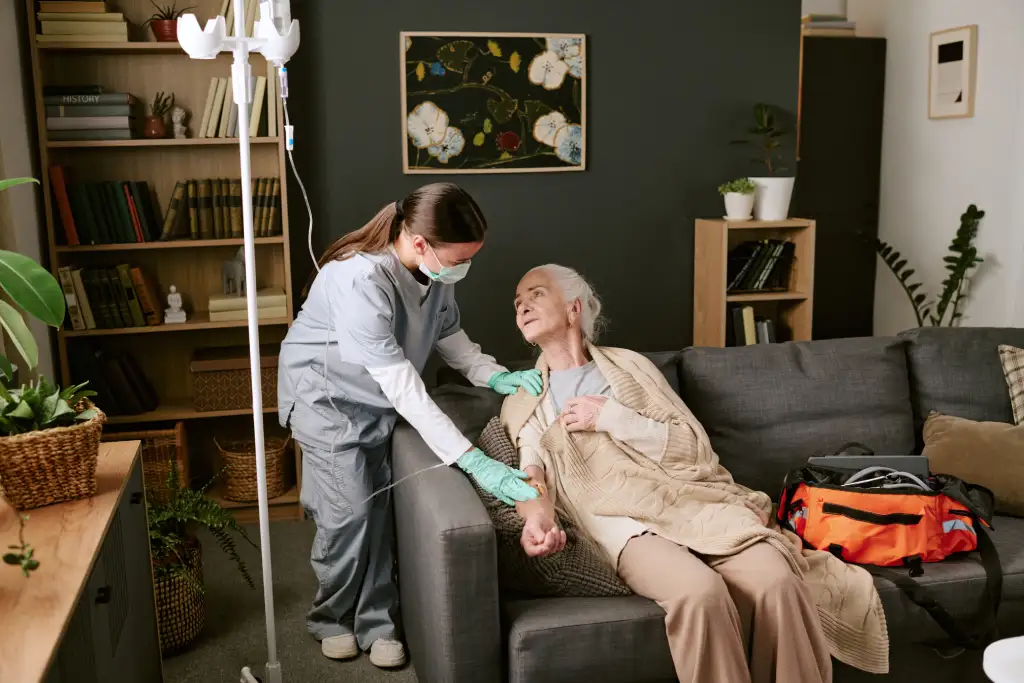
Care homes and residential houses are designed for different purposes. So, if you want to open a care home in your house, you should renovate it, from the structure to the interior. It has to be transformed in a way that meets the requirements and standards.
But before that, you must look for the demand for a care home in your local area. If a significant number of people are in need of a care facility, only then considering the further steps would be a good idea.
Other required factors involve legal and regulatory procedures, staff recruitment, equipment, funding, and management. This also brings us to understand personal care in care homes, so that we can implement that.
The legal and regulatory procedures and requirements could vary based on location. Like in England, The Care Quality Commission (CQC) is responsible for setting up regulations and inspecting care facilities.
Home to Care Home Conversion Requirements
You must register with CQC to provide care home service in England. For Ireland, it’s the Regulations and Quality Improvement Authority (RQIA). The Care Inspectorate is in Wales, and the Care Inspectorate is in Scotland.
Whether it’s your house or another location, if the facility meets the legal and regulatory requirements, only then you’ll be permitted to provide services.
Let’s see some requirements and regulations for care homes that are more or less the same everywhere in the UK.
Legal Requirements
Registering with the responsible authorities is the first step you have to do. As said earlier, for example, if you are living in England, you must register with the CQC.
You can apply for residential care home licensing online on the CQC website.
Regarding individual registration, if you are not taking the responsibility of a manager, you don’t need to register. But for registering as a partnership or an organisation, the person responsible for managing must also register with authorities.
Regardless of the location, you are obliged to adhere to the relevant Health and Social Care Act. Like in England, the service provider has to follow the Health and Social Care Act 2008.
Initially, the authorities don’t charge for applying for licensing, but there’s an annual fee you must pay.
Additionally, you submit your care home location details, and meeting safety and quality standards is necessary.
If the responsible commission is satisfied assessing your documentation and fulfilment of other requirements, they’ll issue a registration certificate.
Care Home Design Standards requirements
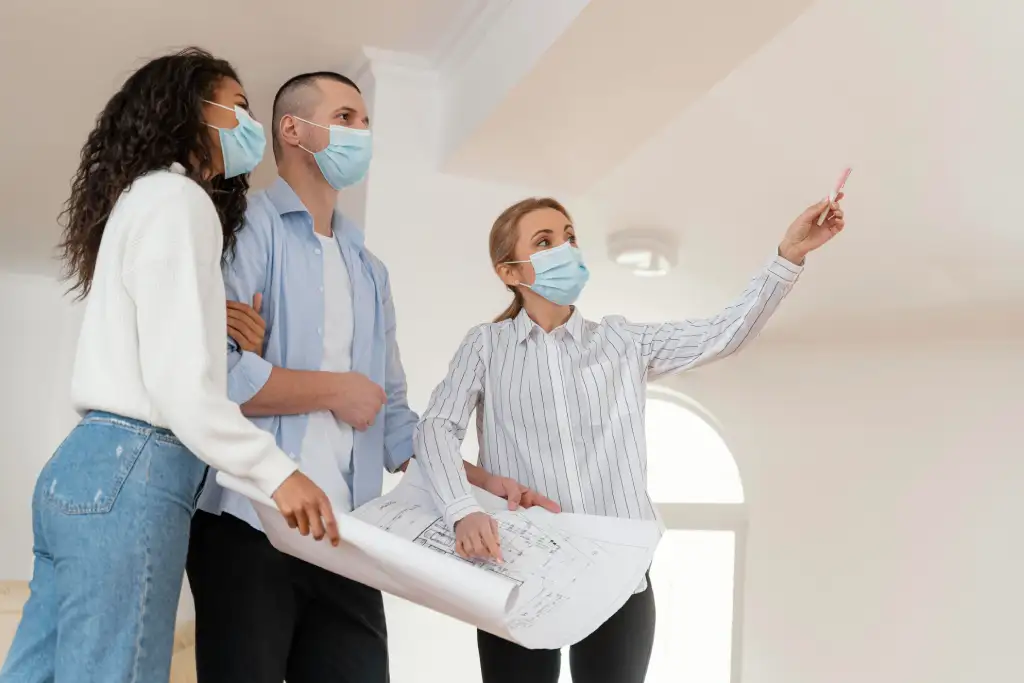
Well, it makes sense that not all houses are designed the same. Since you want to turn your house into a care home, you may wonder whether your house meets the standard structure of a care home.
What standards make a premises suitable for a care home? The national minimum standards set for the choice of home and its environment are:
- It’s essential for the care home location and layout to meet the main purpose.
- Each resident should get a minimum average living space. In the UK, it’s 14.1 square meters, and for wheelchair users, the space should be 17.1 square meters.
- The premises should be accessible to all residents. The wheelchair users should be able to access the toilet, bathing, and other facilities comfortably. The different facilities should have at least an 800mm width opening.
- The furnishing, fittings, and equipment should be of good quality.
- The premises should meet the local building regulations.
- The CCTV cameras should not breach the privacy of the service users.
- All the service users should have the option to use a single room.
- The single room should have a minimum of 10 square meters of usable floor space, excluding a basin and commode or suite toilet.
- In terms of a shared room, the usable floor space should at least be 16 square meters.
- Each bedroom should have a bed, table, enough chairs (at least 2), a chest of drawers, a cupboard, and all the essential furniture for the service users.
- The windows should be restricted to a max opening of 100 mm. All bedrooms and communal rooms should have properly functioning windows.
- The premise must have enough ventilation and natural light accessibility.
The core purpose of meeting standards is to provide service users with a safe, comfortable environment. As the CQC inspects the care home before and after registration, all care homes should maintain these standards strictly.
Safety requirements
Safety comes first. The staff and residents of care homes should be well-informed about effective risk management to ensure safety for all.
For that reason, the responsible care home authorities set some requirements that include:
- Infection control and prevention
- Clean water supplies
- Safe windows and floor
- Hygiene maintenance
- Proper ventilation, lighting, and heating
- Safe food
- Building Safety
- Staff skill level
- Fire safety
- Safe moving and handling
- Protection from behavioural aggression
The care home management should know how to prevent care home hazards with suitable control measures. Therefore, care home members must frequently wash their hands, use appropriate PPE, have regular waste management, and maintain great hygiene.
Checking the building condition, the food, electric wires and circuits, and always keeping the house tidy is a must.
The care home management is responsible for any incident. So, a good trait of good management is to scrutinise and inspect the safety condition of the care home regularly.
Staff Requirements
Having a team of skilled staff is one of the criteria for a quality care home. A care home has multiple staff and employee levels.
The CQC and other responsible authorities clearly talk about staff requirements.
The staff should have relevant care skills in food hygiene and safety, mental health first aid for the workplace, basic first aid, and technical and IT-related training.
The staff members must have a clear understanding of the duties of a care assistant in safeguarding.
According to CQC, any standard care home should have :
- A number of qualified and experienced persons should be ensured for the person receiving care.
- The staff in care homes must receive adequate training, supervision, and appraisal to execute their roles and responsibilities.
Apart from the necessary skills, the staff must have good manners and communication skills.


Care Home Zoning Requirements
The requirements mentioned above are similar everywhere. However, regarding zoning regulations, the requirements could significantly vary. For example, a law regarding turning a house into a care home in North Yorkshire Country Council may differ from London Councils.
The zoning authorities make their own laws and regulations on land and property usage. Municipalities are responsible for establishing these laws and regulations.
The best suggestion would be to look at your area’s care home zoning regulations before planning.
What Qualifications Do You Need to Open a Care Home?
As mentioned above, to transform your house into a care home, you need to register with the responsible commission.
You can still apply for registration if you are not trained in health and social care. In that case, you need to hire a qualified manager. The manager should have a leadership qualification in health and care.
However, the care home managed doesn’t necessarily have to be skilled at caregiving or nursing. He/She must be able to lead and manage a care home properly. Leadership training in health and social care is essential here for that reason.
Care Home Equipment List

The type of equipment could vary depending on the type of service you are providing. But when talking about basics, the below list is a must:
- Adjustable care bed that can be adjusted according to the need.
- Emergency equipment for evacuation, like evacuation chairs.
- Moving and handling equipment (wheelchairs, hoists with different size slings, standing aids, walking aids, and disabled aids).
- Shower chairs for elderly or disabled persons.
- Fall resistance equipment like crash mats
- Support rails
- Bed alarm
- Pressure care equipment
- Weight-bearing belts
- Fire alarm and smoke alarm
- emergency call button for summoning caregivers.
The list is made based on the basic services you need to run a quality care home. Initially, you can buy the ones for basic moving and handling.
One thing you should remember is that, at the end of the day, it’s your responsibility to provide your care and residents’ safety and comfort. For that, you shouldn’t neglect getting all the necessary equipment and tools.
How much does it cost to open a care home in the UK?
If your house already meets most of the building and design-related requirements, this will cut a significant cost. Let’s first see what areas you need to invest when setting up your care home.
- Structural change
- Furniture and equipment
- Staff and management hiring
- Training and development programs
- Insurance
- Cleaning and maintenance
The maximum cost spent on leasing or buying property. Much will be curtailed since you want to turn your house into a care home.
Authorities usually don’t charge initially for registering. They all demand an annual charge. So, you don’t have to think about registering initially, either.
The care home set-up cost depends on the location and the size of the care home. The cost of equipment and tools will all depend on the number of beds your care home has. The same goes with the number of staff and employees.
Frequently Asked Questions
Where do care homes get their money?
There are two types of residents you’ll see in a care home. One that pays for themselves, and the other types are state-funded. The state-funded residents are paid by local authorities.
Is opening a care home profitable?
Opening a care home can be financially rewarding, but it has emotional value too. Along with making a profit, you’ll be able to provide care to the elderly and disabled citizens. Regardless of the size, all care homes can profit well if the services are good.
Is a care home a business?
Yes, care homes are businesses since most of them are run by private companies or individuals. Yet, there are some care homes which are charity-funded or owned by local governments.
→ Read more about how to use a hoist in a care home setting!
To summarise
Opening a care home offers a good profit and the opportunity to help people. That’s why many people want to come into the market.
Having the query in mind, “How Can I Turn My House into a Care Home in the UK?” That is what this blog post has discussed. But you must remember opening a care home business can be hefty, and you need to deal with many responsibilities.
The authorities frequently inspect the performance of care homes. So, handling your care home facility carefully after you turn your house into a care home is extremely important.




Level 3 Safeguarding Children and Vulnerable Adults
4.94.9Original price was: £119.00.£29.99Current price is: £29.99.
4512 Students

4 Hours

Level 5 Designated Safeguarding Lead (DSL)
4.94.9Original price was: £199.00.£49.99Current price is: £49.99.
4261 Students
7 Hours
-
3450 Students
17 Hours









0 responses on "How Can I Turn My House Into A Care Home In The UK?"