


Our Most Popular Categories
Trending
Health and Social Care
Safeguarding
First Aid
Care Certificate
Food Hygiene
Mental Health
Health and Safety
Animal Care & Training
Business Essentials
Career Bundles
Other Courses

- Yearly Subscription: Unlimited Access to 500+ Courses
- Level 3 Safeguarding Children and Vulnerable Adults
- Level 5 Designated Safeguarding Lead (DSL)
- Care Certificate Course
- Safeguarding Level 4 Training
- Health and Social Care Level 3 Diploma
- Accredited Dog First Aid, CPR and Grooming
- Trauma-Informed Care Training
- Level 3 Safeguarding Children and Vulnerable Adults
- Level 5 Designated Safeguarding Lead (DSL)
- Safeguarding Level 4 Training
- Designated Safeguarding Lead (Level 3 DSL Training)
- Safeguarding Adults Level 3
- Level 2 Safeguarding Children and Vulnerable Adults
- Level 3 Diploma in Nursing Assistant Training
- Safeguarding Adults Training Level 3
- Care Certificate Course
- Mandatory Training For Care Staff and Care Workers
- Level 2 Safeguarding Children and Vulnerable Adults
- Care Planning and Record Keeping in Health and Social Care
- Family Support Worker Training
- Training For Care Workers (Complete Package)
- Care Certificate Standards (1 to 16) + Level 2 And 3 Diploma in Health and Social Care
- Mandatory Training for Care Home Staff Training
- Accredited Dog First Aid, CPR and Grooming
- Pet Nutrition Diploma
- Pet First Aid and CPR Certification
- Pet Care and Psychology Diploma
- Learn to Launch and Grow a Pet Business
- Cat First Aid, CPR and Emergency Care
- Complete Dog Behaviour and Training
- Dog First Aid, CPR & Grooming + Safety for Pet Pros & Owners
- Care Certificate Standards 1-16 (The Complete Bundle)
- Training For Care Workers (Complete Package)
- Care Certificate Standards (1 to 16) + Level 2 And 3 Diploma in Health and Social Care
- Mandatory Training for Care Home Staff Training
- First Aid Essentials 1 to 6 Bundle
- Leadership and Management Courses
- Mandatory and Statutory Trainings For Adult Social Care
- Level 3 Admin PA and Secretarial Diploma Bundle
- Diabetes Awareness Training
- Baby Massage Training
- Employment Law Training
- Learn to Launch and Grow a Pet Business
- Complete Dog Behaviour and Training
- Dog First Aid, CPR & Grooming + Safety for Pet Pros & Owners
- Drugs and Alcohol Awareness Training
- Dog Care, Dog Grooming, and Dog First Aid Course Online

Offer Ends In
Use Code


Shadowing is not a formal responsibility for an employee but a common practice in care. It merely takes observing others. For that reason, many shadows (the ones shadowing) or those considering shadowing get baffled about payment. In 2026, shadowing in the care sector remains a key practice for supporting new and trainee care workers.
So, Do you get paid for shadowing in care work in 2026? Well, there’s no straightforward answer to it. Payment for shadowing varies depending on the contract, duties, and duration. The FY1 doctors do get paid for four-day shadowing, but that doesn’t mean other healthcare or care professionals will necessarily be.
This write-up will provide a detailed rundown on shadowing along with the payment factor so that you get a clear idea.
What is Shadowing in Health and Social Care?
The core objective of shadowing in health and social care is to introduce a person to new care skills. It’s not through practice, but by creating a space for those who need to learn. Many care facilities offer staff training in health and social care; this increases the opportunity to go through shadowing. It helps the shadows reflect on their duties before taking responsibility directly on their shoulders.

So, what is shadowing in health and social care? More precisely, what is a shadow shift in care work?
Shadowing provides real-time observation for career starters and role shifters within a care setting. It lets a person witness the routine work of an adept healthcare professional directly on duties.
However, many consider shadowing to be a formal part of a job. In a real scenario, you’ll hardly be asked to perform any duties during shadowing. All you have to do is observe and ask questions or record the tasks performed. That’s where the concept differs from an internship.
It typically is a short-term training or an induction process to a new role. On average, a 1 to 4-day programme, with 8 hours per day max. Shadows do not intend to showcase skills, but you get aware of the ropes of the working periphery.
The minimum age for shadowing is 16, and the person shadowing must live in the UK. However, if you’re wondering whether you can work in a care role without a DBS check or not, you can find more on this here.
Types of Shadowing in UK Care Settings
In care, shadowing may have multiple meanings, but all include observing. If you talk about various types of shadowing, it can have more than one perspective overall. Nevertheless, shadowing may consist of very few hands-on tasks, but that’s not typically a part of the job.
There are various types of care roles across different UK care settings. Each role requires you to prepare with the right training and gain the right set of skills.
You can learn about different types of carer training in the UK to help you understand the essence of shadowing to prepare for various roles. If we talk about the types of shadowing in care, they can be divided into three categories, which are:
1. Shadowing Healthcare Professionals
2. Shadowing Patients
3. Shadowing Domiciliary Care Workers
Let’s have a quick look at each of the types below:
1. Healthcare Professionals Shadowing
Shadowing a healthcare professional means picturing what it’s like to walk in their shoes. It provides a sense of tackling different conditions when you become a pro.
Observing a professional provides an extra advantage for those who want to build a career in health and social care. Generally, this type of shadowing is done by students or recent graduates.
Shadowing is also crucial for already employed health and social care workers collaborating with multi-agency teams. For example, if you’re already employed in a care role and need to collaborate with other teams for work purposes, then shadowing can play a vital role in learning new skills effectively.
A healthcare setting has multiple departments and functions. If a care worker needs to be shifted to a new department, it will take training. Shadowing helps immensely in this scenario and makes a care worker mentally and technically prepared for new tasks.
2. Patient Shadowing
This shadowing type isn’t significantly different from professional shadowing because it also includes observing. But when you are shadowing a patient, you basically follow and track the patient’s activities.
As a patient shadower, you will record each patient’s healthcare experience. This structured process is often done in care settings. You will also document patients’ queries and observations.
Patient shadowing is simply an effort you invest as a third-party observer to see the healthcare experience from a patient’s perspective.
3. Domiciliary Care Worker shadowing
You call it home shadowing when you shadow a professional domiciliary care worker.
In that case, a shadow visits the client’s home to provide care along with a team of professionals. There, the shadow witnesses the healthcare professional serving the client.
The person shadowing will record and observe the client’s experience and document details of the visited hours.
During shadowing at home, the shadow gets an idea of how to communicate with the client and maintain privacy and roles while providing care. The shadow also understands the client’s privacy and how to align with the client’s regular routine.
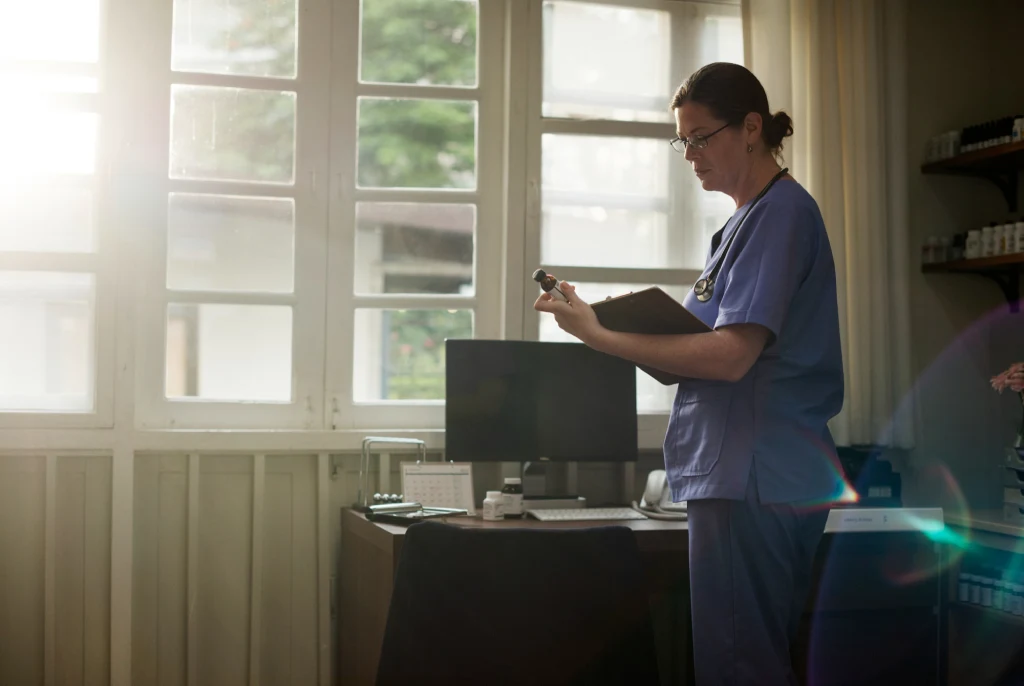
Do you get paid for shadowing in care work?
All new Foundation Year (FY1) doctors can have shadowing experience, which is paid. They get paid according to the F1 annual salary rate. The shadowing takes at least 4 days. During shadowing, the shadow observes an existing F1 doctor performing tasks.
However, when it comes to other care workers, unfortunately, there isn’t any specific regulation or policy assuring payments.
How much do you get paid for shadowing in care work? For a student or a wannabe care professional, getting paid for shadowing all depends on the contract they sign with the care facility.
Shadowing doesn’t involve any specific care tasks for the shadows, and it takes a very short period. The shadows, except FY1 doctors, don’t get paid.
But a few things must be kept in mind. Under certain circumstances, a shadow has the right to claim payment:
1. If the shadowing includes performing care duties in safeguarding settings.
2. If the shadowing takes more than 8 hours a day.
3. If the shadowing requires visiting multiple locations.
Shadowing for shifting departments or short training will be unpaid for those already employed and receiving a salary. Yet, those who visit homes with the care team or provide home shadowing should get paid.
Still, as there’s no central regulation for shadowing payment, it’s best to make a contract if you are committed to paying for shadowing; never forget to claim it.
Learn more about how to get a caregiver job in the UK!
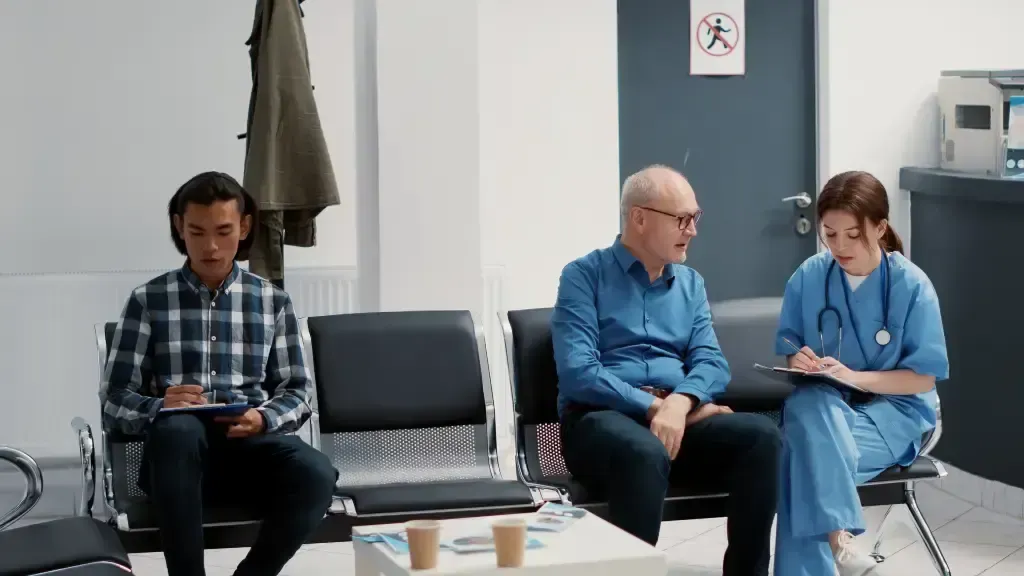
Why is shadowing important in health and social care?
Not only professionals but shadowing in care also involves observing the patients receiving the care. It helps the shadows to understand care recipients’ needs, which is essential when providing care.
Unlike other professions, the healthcare field deals with patients or elderly people seeking help or shelter. So it’s sensitive; it demands intensive care. You cannot directly hire an intern or a trainee who lacks knowledge of the UK Care Standards.
In that case, shadowing is crucial because it creates opportunities for new professionals to learn about dealing with patients without applying the skill directly.
Conversely, the one shifting to a new role or about to start working in a new position becomes aware of the work environment. Shadowing allows intra-professionals to collaborate, easing newcomers’ adjustment to the domain.
Observing is a crucial step between studying and practising. From that sense, shadowing has great significance. All health and social care rookies should take advantage of shadowing opportunities.
Shadowing in care work can also help you become a carer in the UK across various care settings. You get a comprehensive understanding of the roles you’re shadowing and helps you build foundational knowledge in this.
Benefits of Shadowing Work in Care Settings
What are the benefits of shadowing in healthcare? The benefits of shadowing in healthcare are even more than those of shadowing in other professions. Let’s go through some of the benefits shadowing offers:
- Getting a clear idea about the professional work. Resultantly, the learner gets a decision-making opportunity regarding career development.
- Shadowing creates a great space for new professionals to identify opportunities for improvement.
- It gives a sense of working in a team so that you understand how to align with other co-workers.
- Since you can ask questions, shadowing curtails many misconceptions about care services.
- Shadowing gives an idea about the journey of care professionals so you can picture what will come along your caregiving journey.
- Shadowing is not involved directly in caregiving tasks. As a result, it reduces risk factors for your future caregiving.
- You get the opportunity to gain a new skill set as you get to witness a variety of professionals working in a team.
Shadowing is not a long-term process, but it adds amazing value at the beginning of the career.


Frequently Asked Questions
Is shadowing the same as an internship?
Unlike shadowing, internships include learning through performing professional tasks. Most internship programs are paid, but shadowing isn’t. The period of an internship can last anywhere from one month to one year. On the other hand, the duration of shadowing is between one and four days.
What is the definition of clinical shadowing?
Clinical shadowing is when a new healthcare professional follows an experienced doctor to learn by observing. To advance in their career, a new doctor must complete at least 100-200 hours of clinical shadowing.
Does online shadowing count?
Medical schools are currently accepting virtual shadowing. But in-person shadowing doubles the value. Virtual shadowing is all right if your goal is to meet the required shadowing hours. But to make your shadowing experience more valuable, there is no alternative to in-person shadowing.
What is shadowing in childcare?
In childcare, shadowing is when a trainee or new staff member observes an experienced childcare worker to learn how to care for children professionally. This includes watching how they manage activities, ensure safety, and support children’s development.
Final Words
Shadowing is an excellent real-time experience that helps newbies or professionals understand their future professional tasks. But, those who opt for shadowing often come up with payment-related queries.
So, do you get paid for shadowing in care work? Unfortunately, no regulation requires the care sector to pay for shadowing. Neither are there any specific guidelines. But that doesn’t mean there’s no space for payment for those who shadowing.
This article has focused on discussing the issue to provide you with a guideline so that you understand under what circumstances you can claim a payment by shadowing.
Take a look at our Job-ready Programme in the UK to help you become efficiently prepared for a new role you’re looking for!




Level 3 Safeguarding Children and Vulnerable Adults
4.94.9Original price was: £119.00.£29.99Current price is: £29.99.
4516 Students

4 Hours

Level 5 Designated Safeguarding Lead (DSL)
4.94.9Original price was: £199.00.£49.99Current price is: £49.99.
4265 Students
7 Hours

3457 Students
17 Hours







0 responses on "Do You Get Paid For Shadowing in Care Work? Everything You Need to Know"