


Our Most Popular Categories
Trending
Health and Social Care
Safeguarding
First Aid
Care Certificate
Food Hygiene
Mental Health
Health and Safety
Animal Care & Training
Business Essentials
Career Bundles
Other Courses

- Yearly Subscription: Unlimited Access to 500+ Courses
- Level 3 Safeguarding Children and Vulnerable Adults
- Level 5 Designated Safeguarding Lead (DSL)
- Care Certificate Course
- Safeguarding Level 4 Training
- Health and Social Care Level 3 Diploma
- Accredited Dog First Aid, CPR and Grooming
- Trauma-Informed Care Training
- Level 3 Safeguarding Children and Vulnerable Adults
- Level 5 Designated Safeguarding Lead (DSL)
- Safeguarding Level 4 Training
- Designated Safeguarding Lead (Level 3 DSL Training)
- Safeguarding Adults Level 3
- Level 2 Safeguarding Children and Vulnerable Adults
- Level 3 Diploma in Nursing Assistant Training
- Safeguarding Adults Training Level 3
- Care Certificate Course
- Mandatory Training For Care Staff and Care Workers
- Level 2 Safeguarding Children and Vulnerable Adults
- Care Planning and Record Keeping in Health and Social Care
- Family Support Worker Training
- Training For Care Workers (Complete Package)
- Care Certificate Standards (1 to 16) + Level 2 And 3 Diploma in Health and Social Care
- Mandatory Training for Care Home Staff Training
- Accredited Dog First Aid, CPR and Grooming
- Pet Nutrition Diploma
- Pet First Aid and CPR Certification
- Pet Care and Psychology Diploma
- Learn to Launch and Grow a Pet Business
- Cat First Aid, CPR and Emergency Care
- Complete Dog Behaviour and Training
- Dog First Aid, CPR & Grooming + Safety for Pet Pros & Owners
- Care Certificate Standards 1-16 (The Complete Bundle)
- Training For Care Workers (Complete Package)
- Care Certificate Standards (1 to 16) + Level 2 And 3 Diploma in Health and Social Care
- Mandatory Training for Care Home Staff Training
- First Aid Essentials 1 to 6 Bundle
- Leadership and Management Courses
- Mandatory and Statutory Trainings For Adult Social Care
- Level 3 Admin PA and Secretarial Diploma Bundle
- Diabetes Awareness Training
- Baby Massage Training
- Employment Law Training
- Learn to Launch and Grow a Pet Business
- Complete Dog Behaviour and Training
- Dog First Aid, CPR & Grooming + Safety for Pet Pros & Owners
- Drugs and Alcohol Awareness Training
- Dog Care, Dog Grooming, and Dog First Aid Course Online

Offer Ends In
Use Code


According to a UK Report, around 131,000 adult social care vacancies exist in England. This amount represents 8.3% of vacancies in social care roles. Such a situation leads to a significant rise in unqualified health and social care professionals.
Health and social care courses for adults provide the essential knowledge and skills needed to work in the health and social care sector. It helps learners enter the health and social care sector more professionally.
It also helps already working professionals upgrade their skills and advance their roles in health and social care settings.
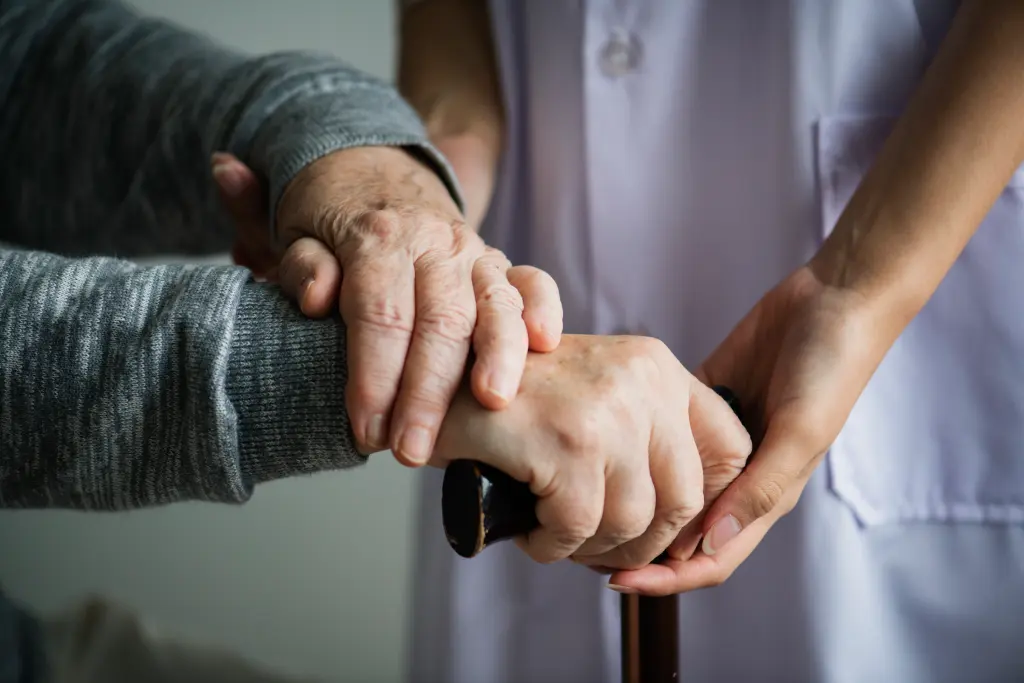
Here, you will get helpful insights about Health and Social Care Courses for adults. Explore more!
What are health and social care courses for adults?
Adult health and social care courses teach skills to support individuals in care settings. These programs help with the mental health of care residents, provide person-centred care, senior care, and community services.
They also assist in understanding the needs of at-risk individuals with effective communication in health and care settings.
Such programs for adults often combine theory with skills training. You’ll learn about health and hygiene, daily care tasks and how to manage patient needs. Some courses also focus on leadership skills, preparing you for health and social care supervisory roles.
What is Adult Health and Social Care?
Adult health and social care help adults with health and daily tasks. This support helps adults with physical disabilities, mental health challenges, long-term illnesses, or anyone who needs assistance. Adult health and social care improve these people’s lives.
Key elements of adult health and social care
Health support
- Managing chronic health problems such as diabetes or dementia.
- In helping people to get medical care, treatments, and to recover.
- Counselling or therapy for better mental health.
Social care
- Helping in doing daily tasks such as bathing, dressing, and cooking.
- Emotional help to counter helpless feelings of isolation and isolation.
- Engaging the community through activities or support groups.
Tailored care plans
- Care is tailored to fit each person’s needs, likes, and situation.
- Plans usually include working with doctors, social workers, and family.
→ Explore: Is Level 3 Health and Social Care a Diploma?


Why should people consider adult health and social care courses?
People from all backgrounds can benefit from health and social care courses. Adult health and social care courses fill a variety of needs. Whether you want to switch to carers or advance your skills as a carer, these programs provide the foundation you need.
As a qualified care provider, the first and foremost duty in adult health and social care is to protect them from risks or any hazards and ensure a safe environment for them.
The health and social care courses also help individuals understand their role better in health and care settings.
Here are some reasons why people should choose the health and social care courses:
- Career change: People often get stuck with unfulfilling jobs. Health and social care offer a fresh start in a meaningful field.
- Flexible learning: Online and part-time courses make studying easy while managing a busy life.
- Professional growth: Current healthcare or social care workers can use these courses to advance their careers.
- Personal fulfilment: These roles allow you to improve the lives of others. Helping others is deeply satisfying and meaningful.
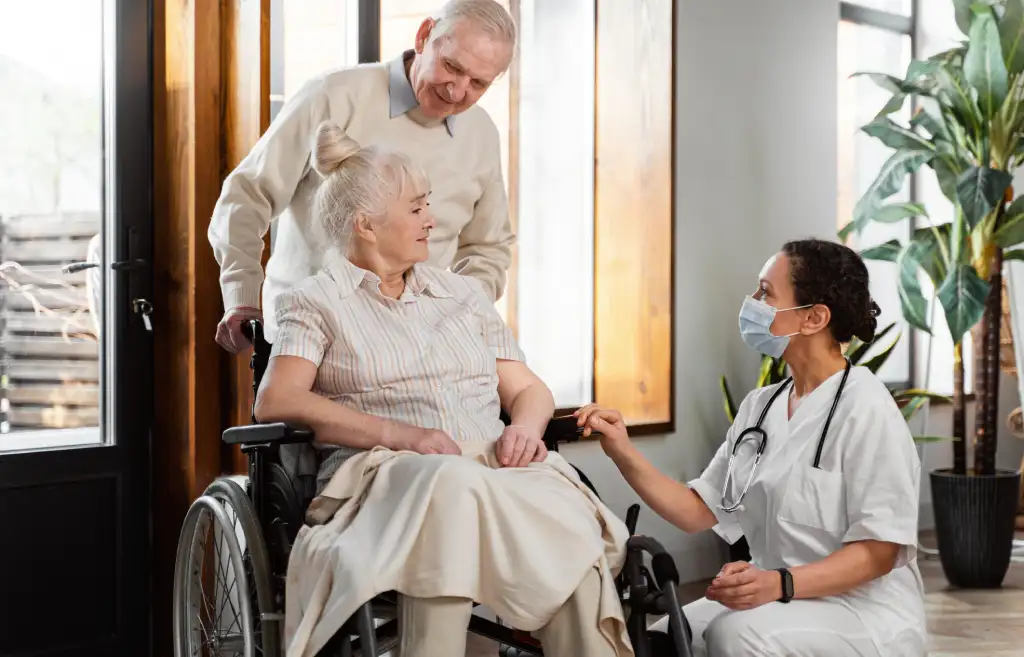
What do adult health and social care courses teach?
Health and social care courses (adults) cover a variety of topics. These topics ensure you’re well-prepared for your future role. Some of the key topics include:
- Communication skills: You learn to listen, empathise and respond to the patient and their families.
- Ethics and professionalism: These courses teach handling challenging situations sensitively. You also learn to handle sensitive situations with integrity and respect.
- Mental health awareness: Many programs include training on how to support adults with mental health issues.
- Leadership skills: Advanced courses teach you how to manage teams and make decisions effectively.
- Personal care: Understand how to assist adults with eating, dressing, or mobility tasks.
These skills prepare you for a career. These skills also improve how you interact with others in everyday life.
→ Explore: What is anti-discriminatory practice in health and social care!
Types of Health and Social Care Courses for Adults
Variations in types of health and social care courses may be noticed. These different adult health and social care courses are designed for various skill levels. Some of the main types of health and social care courses (adults):
Beginner courses
These courses are ideal for newcomers. They teach basic skills such as communication and personal care. These courses help you understand what working in health and social care is like. Examples include:
- Level 1 health and social care
- Level 2 diploma in care
- Certificate in health and social care
- Certificate in preparing to work in adult social care
Advanced certifications and diplomas
These courses are for people who want to focus on specific areas. These advanced courses offer in-depth knowledge. These courses cover all the topics needed for specialisation. Some examples of such courses include:
- Level 3 Diploma in adult care
- Level 4 Diploma in adult care
- Level 3 Diploma in health and social care
Leadership and management courses
These courses focus on managing teams and facilities. Such courses are mainly made for those who pursue senior roles. Examples include:
- Level 5 diploma in leadership for health and social care
- Certificate in managing care services
- Level 7 diploma in health and social care management
- Health and social care level 5
Why are health and social care courses for adults beneficial?

These courses don’t just give you some random certification. They rather give you the certifications you need for your career. These certificates enhance your skill set and prepare you for handling professional scenarios. They also enhance your personal growth. Here are some of the benefits that make these courses so valuable:
- Job security
- Flexibility
- Highly paid work
- Career advancement
- Deliver top-quality care
- Specialise in your field
→ Find out more about: What does intellectual mean in health and social care and get helpful insights!
How to choose the right health and social care courses for adults?
Right health and social care courses can be key to boosting your career. You don’t need to stress too much about selecting the right health and social care courses. Choosing the right health and social care courses is not that hard. It’s easy if you follow the steps below:
- Know your goals: Think about what you want from the course. Are you starting fresh or looking to specialise?
Check requirements: Some courses need prior experience or certifications. - Look at format options: Online, part-time, and full-time courses are available. Pick what fits your schedule.
- Check accreditation: Make sure the course is recognised by industry bodies.
- Compare costs: Explore funding options, such as grants or payment plans, to ensure course affordability.

What jobs can you get after completing a course?
Health and social care courses open up many career opportunities. Here are some examples:
- Healthcare assistant: Work with nurses and doctors to care for patients. Support them in providing patient care.
- Social worker: Help persons and families to solve personal challenges. These challenges include poverty or mental health issues.
- Care home manager: Oversee staff and operations in residential care facilities.
- Community worker: Provide resources and support to local communities or groups.
These jobs offer competitive salaries and lots of benefits. These jobs also provide growth opportunities. These jobs enable you to help make a difference in the health and social care sector.
→ Gain insights into: What is CPD in health and Social Care!
FAQs
What is an adult social care course?
An adult social care course provides training and qualifications for individuals to support vulnerable populations in various care settings. These courses cover essential skills, knowledge, and best practices for delivering quality care and assistance.
Is UK good for health and social care?
Yes, the UK has a well-regarded healthcare system, ranking high in efficiency and quality of care, though it faces challenges like long waiting times. Recent reports indicate a need for improvements to maintain service standards amid rising demand and workforce shortages.
What is health and social care level?
Health and social care levels refer to a structured framework of qualifications in the UK, ranging from Level 2 introductory courses to Level 5 advanced diplomas. These levels help individuals gain the necessary skills and knowledge for various roles in the health and social care sector.
Conclusion
Adult health and social care courses are more than just training programs. They’re life-changing opportunities that allow you to build a meaningful career. Whether starting fresh or growing your skills, these courses guide you to a better future.
Take the leap today. Research your options. Enrol in a course and start making a significant impact in the field of health and social care.




Level 3 Safeguarding Children and Vulnerable Adults
4.94.9Original price was: £119.00.£29.99Current price is: £29.99.
4508 Students

4 Hours

Level 5 Designated Safeguarding Lead (DSL)
4.94.9Original price was: £199.00.£49.99Current price is: £49.99.
4260 Students
7 Hours
-
3450 Students
17 Hours









0 responses on "A Detailed Guide To Health And Social Care Courses For Adults"