


Our Most Popular Categories
Trending
Health and Social Care
Safeguarding
First Aid
Care Certificate
Food Hygiene
Mental Health
Health and Safety
Animal Care & Training
Business Essentials
Career Bundles
Other Courses

- Yearly Subscription: Unlimited Access to 500+ Courses
- Level 3 Safeguarding Children and Vulnerable Adults
- Level 5 Designated Safeguarding Lead (DSL)
- Care Certificate Course
- Safeguarding Level 4 Training
- Health and Social Care Level 3 Diploma
- Accredited Dog First Aid, CPR and Grooming
- Trauma-Informed Care Training
- Level 3 Safeguarding Children and Vulnerable Adults
- Level 5 Designated Safeguarding Lead (DSL)
- Safeguarding Level 4 Training
- Designated Safeguarding Lead (Level 3 DSL Training)
- Safeguarding Adults Level 3
- Level 2 Safeguarding Children and Vulnerable Adults
- Level 3 Diploma in Nursing Assistant Training
- Safeguarding Adults Training Level 3
- Care Certificate Course
- Mandatory Training For Care Staff and Care Workers
- Level 2 Safeguarding Children and Vulnerable Adults
- Care Planning and Record Keeping in Health and Social Care
- Family Support Worker Training
- Training For Care Workers (Complete Package)
- Care Certificate Standards (1 to 16) + Level 2 And 3 Diploma in Health and Social Care
- Mandatory Training for Care Home Staff Training
- Accredited Dog First Aid, CPR and Grooming
- Pet Nutrition Diploma
- Pet First Aid and CPR Certification
- Pet Care and Psychology Diploma
- Learn to Launch and Grow a Pet Business
- Cat First Aid, CPR and Emergency Care
- Complete Dog Behaviour and Training
- Dog First Aid, CPR & Grooming + Safety for Pet Pros & Owners
- Care Certificate Standards 1-16 (The Complete Bundle)
- Training For Care Workers (Complete Package)
- Care Certificate Standards (1 to 16) + Level 2 And 3 Diploma in Health and Social Care
- Mandatory Training for Care Home Staff Training
- First Aid Essentials 1 to 6 Bundle
- Leadership and Management Courses
- Mandatory and Statutory Trainings For Adult Social Care
- Level 3 Admin PA and Secretarial Diploma Bundle
- Diabetes Awareness Training
- Baby Massage Training
- Employment Law Training
- Learn to Launch and Grow a Pet Business
- Complete Dog Behaviour and Training
- Dog First Aid, CPR & Grooming + Safety for Pet Pros & Owners
- Drugs and Alcohol Awareness Training
- Dog Care, Dog Grooming, and Dog First Aid Course Online

Offer Ends In
Use Code


When we think about food safety, understanding freezing guidelines is one of the most powerful ways. But keeping food fresh and in better condition can become a challenge sometimes. For example, many people get baffled about how long food can be kept in a freezer so that it doesn’t hamper quality, texture, nutrients, taste, flavour, and freshness.
But how long does food last in the freezer? Food can last indefinitely in the freezer if we keep it properly. If you keep food at a constant -18°C, it would remain safe. But their quality decreases over time. There are many more guidelines to learn about.
In this guide, we will demonstrate what frozen food safety is, what the correct storage time and temperature for foods are, why temperature matters for food safety, and other tips for freezing food which you should know.
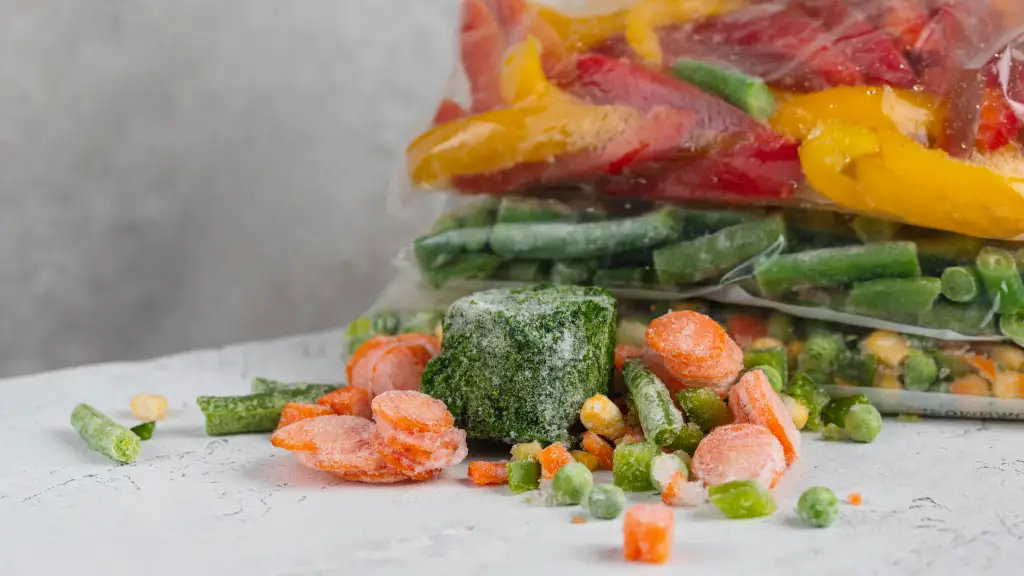
What is Frozen Food Safety?
When we have surplus food compared to the daily needs, we want to keep it safe for them. But harmful bacteria make our food bad. It is also called natural food deterioration. In that time, we think about our food safety. So, what is frozen food safety?
Frozen food safety means keeping food safe by storing it in the freezer. There is cold weather in the freezer, which prevents bacterial activity. It also slows down microbial or natural activity of food deterioration. But it can’t prevent all deterioration.
Frozen food safety depends on some things; these are the temperature of the freezer, proper packaging, labelling, and thawing methods.
Freezers should always run at -18°C or lower so that they can save food from wastage. It maintains proper food nutrition, is flavorful and of quality, and is suitable for use.
What is the correct storage time and temperature for foods?
Safe storage time of food varies depending on the nature of the food and the mode of storage. You should run your refrigerators below 4 °C, and freezers should operate below -18 °C.
These temperatures are necessary to keep food safe and slow down the growth of dangerous bacteria. The times of storage differ according to the food type:
- We should keep raw meat, poultry, and seafood in the freezer or cook them within a short period of time after purchase.
- We should keep food, especially cooked food, leftovers, and ready-to-eat food, in the freezer and frozen to last 3-4 days and 2-6 months, respectively, depending on the food type.
- We should keep fruits, vegetables, bread, and baked goods, and the fruits, vegetables, bread, and baked goods need to be well packaged to extend their freezer life to 8-12 months.
Storage Freezers frequently bear a rating of safe storage duration:
- Freezer (-6°C) – You should keep up to 1 week
- Freezer (-12°C) – You should keep food up to 1 month
- Freezer (-18°C) – You should keep food up to 3 months
- Freezer (-18 °C, long-term) – Finally, you can keep food 3 months or more when well packed.
Learn about ‘Use By vs Best Before Dates‘ in food storage to ensure the best food quality and safety.
Food Storage Temperature Chart
You can easily understand the temperature guidelines after seeing the food storage temperature chart. Means you can understand which temperature is safe, moderate and which temperature is the danger zone for your food.
| Category | Safe Temperature | Guidelines |
| Danger Zone | 8°C – 63°C | Keep hot food above 63°C and cold food below 8°C. |
| Fridge Temperature | 5°C or below | The UK Food Standards Agency (FSA) suggest temperatures of 5°C or less to inhibit bacterial growth. |
| Freezer Temperature | -18°C or below | Freezers must maintain a constant -18°C to prevent thawing and refreezing cycles. |
| Refrigerated Food | 8°C | Your chilled foods must be stored at 8°C or colder. Move to the fridge immediately. |
| Frozen Food | – 18°C | Frozen foods should be delivered frozen solid at -18°C or below. Reject items that are soft or partially thawed. |
| Cooked Food | 70°C for 2 minutes | Prepare food until it is heated to 70° C. Allow the food to remain at that temperature for at least 2 minutes. |
| Alternative cooking method | 60° C-80 °C | At this temperature, all bacteria can be destroyed. |
| Reheated Food | 70° C | Reheat food until steaming. |
| Hot Holding | 63° C or above | If you want to keep food warm, maintain 63°C. |
| Thawing Temperature | Below 8°C | Defrost food in the fridge ( 5° C), cold water, or microwave. |
| Shelf Display (Chilled) | 0°C – 8°C | Supermarkets in the UK must keep chilled items within this range. |
| Shelf Display (Frozen) | -12°C to -18°C | Retail freezers often operate in this range; products must remain fully frozen. |
Why is knowing the freezing food lifespan important?
Freezer lifespan means how long you keep your food safe in the freezer. It also refers to how long the freezer can serve effectively. If you know the freezer lifespan, you can ensure your food safety without losing its quality, taste, or nutritional value.
It is also used to reduce food waste and conserve costs. You will not spoil or burn food in the freezer because you track the duration of storage. This is so that you do not waste your groceries, and you can plan meals efficiently.
In addition, it does not spoil the taste, texture, or nutritional value of your food. Even though freezing increases the shelf life, with time, the food may become substandard.
Other than that, it’s a legal requirement to obtain a food hygiene certification for staff working in food businesses across the UK. Following appropriate storage procedures will make your food taste better, look more appetising, and still maintain its nutritional value.
How long does food last in the freezer? Food in freezer lifespan chart
A quick reference chart helps you to understand the time & temperature at which you should keep food in the fridge. You can get a clear understanding by seeing the chart.
- Meat
| Product | Refrigerator (4°C) | Freezer ( – 18 °C) | Guidelines |
| Raw chicken (whole) | 1–2 days | 9–12 months | Keep in original packaging or freezer bag. Thaw in fridge. |
| Raw chicken (pieces) | 1–2 days | 9 months | Store in portion sizes for faster thawing. |
| Sausage, Ham, | 1–2 days | 1–2 months (sausages), 1–2 months (cooked ham) | Wrap tightly to prevent freezer burn. |
| Raw pork (chops, roasts) | 1–2 days | 3–4 months | Freeze in original packaging or an airtight container. |
| Raw Minced Meat (beef, lamb, chicken) | 1–2 days | 3–4 months | Freeze in small portions. Avoid refreezing thawed meat. |
| Cooked beef | 3–4 days | 2–3 months | Cool quickly before freezing. |
| Cooked meat | 3–4 days | 2–3 months | Wrap tightly, use within 2–3 months for best quality. |
| Turkey slices | 3–4 days | 1–2 months | Freeze in small portions for sandwiches or meals. |
- Fish & Seafood
| Product | Refrigerator (4°C) | Freezer ( – 18 °C) | Guidelines |
| Lean fish (cod, haddock) | 1–2 days | 6–8 months | Wrap tightly, use freezer bags or foil. |
| Fatty fish (salmon, mackerel) | 1–2 days | 2–3 months | Shorter freezer life due to higher fat content. |
| Tuna (fresh) | 1–2 days | 2–3 months | Freeze as soon as possible for the best quality |
| Tuna (canned) | 3–4 days (after opening) | N/A | Canned tuna is shelf-stable unopened; refrigerate after opening. |
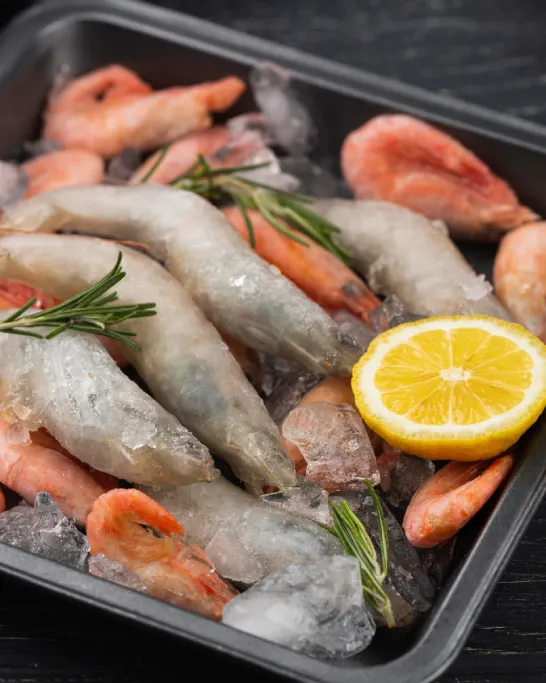
| Prawns, shellfish | 1–2 days | 3–6 months | Freeze promptly; defrost in fridge. |
| Cooked fish | 2–3 days | 2–3 months | Cool quickly before freezing. |
- Fruits & Vegetables
| Product | Refrigerator (4°C) | Freezer ( – 18°C) | Guidelines |
| Most vegetables( uncooked) | 2–3 days | 8–12 months | Freeze raw vegetables after blanching for the best quality. |
| Most vegetables (blanched) | 3–5 days | 8–12 months | Blanching preserves colour, nutrients, and texture. |
| Fruits (Strawberries,Blueberries, Oranges, etc.) | 2–3 days | 6–12 months | Wash, dry, and freeze in portioned bags. |
| Fruits (Apples, Banana, Mango, Grapes, Pears) | 3–5 days | 6–12 months | Peel and slice if needed; freeze in airtight bags |
| Leafy greens | 1–2 days | 8–12 months | Blanch before freezing to retain quality. |
- Bread & Baked Goods
| Product | Refrigerator (4°C) | Freezer ( – 18 °C) | Guidelines |
| Bread | 3–5 days | 3 months | Slice before freezing for easy use |
| Pitta bread | 3–5 days | 3 months | Wrap tightly to prevent freezer burn. |
| Cakes (no cream) | 3–4 days | 2–3 months | Wrap in foil or an airtight container. |
| Cakes (with cream) | 1–2 days | 1 month | Freeze quickly and consume soon after thawing. |
| Cookies | 7–10 days | 6 months | Freeze in an airtight container. |
| Pastries | 1–2 days | 2–3 months | Freeze before baking for the best texture. |
- Leftovers & Cooked Meals
| Product | Refrigerator (4°C) | Freezer ( – 18 °C) | Guidelines |
| Roast dinner leftovers | 3–4 days | 2–3 months | Cool quickly and freeze in portions. |
| Curry | 3–4 days | 2–3 months | Freeze in airtight containers |
| Soups, stews | 3–4 days | 2–3 months | Portion into meal-sized containers before freezing |
| Cooked rice & pasta | 1–2 days | 1–2 months | Cool quickly; reheat thoroughly. |
| Casseroles | 3–4 days | 2–3 months | Freeze in portions for convenience. |
| Pizza | 3–4 days | 1–2 months | Wrap slices individually for easy reheating. |
- Dairy Products
| Product | Refrigerator (4°C) | Freezer ( – 18 °C) | Guidelines |
| Butter | 1-2 months | 6-9 months | You should freeze after wrapping in an airtight container. |
| Hard cheese (grated) | 2-3 weeks | 6 months | If you freeze, it may affect the texture. But it’s good for cooking. |
| Cream cheese | 1 weeks | 2 months | You can freeze some portion, let it thaw in the fridge. |
| Milk | 3-5 weeks | 1-3 months | Shake after thawing; may separate slightly. |
| Yoghurt | 1-2 weeks | 1-2 months | Texture may change, but it’s good for cooking/smoothies. |
| Ice cream | N/A | 2-4 months | Store in the coldest part of the freezer, not in the door |
- Other Items
| Product | Refrigerator (4°C) | Freezer ( – 18 °C) | Guidelines |
| Ready meals | 3–4 days | 2–3 months | Freeze promptly after opening or cooking. |
| Baked beans | 3–5 days | 2–3 months | Can freeze in the original tin or an airtight container after opening. |
| Cereals (cornflakes, porridge oats) | N/A | N/A | Keep in an airtight container; usually not frozen. |
| Chips (frozen fries) | N/A | 6–12 months | Keep sealed; cook from frozen for best results |
| Eggs | 3–5 weeks (raw in shell) | 12 months (whites/yolks only) | Do not freeze whole eggs in the shell; whisk first. |
| Ice cream | N/A | 2–4 months | Keep it in the coldest part of the freezer. |
| Sauces (ketchup, mayonnaise) | 6 months (opened ketchup) | 6–8 months (ketchup only; mayonnaise not recommended) | Freeze sauces in airtight containers; mayonnaise may separate. |


Foods you should not freeze
You should avoid the listed food because these food items don’t freeze well. If you freeze those types of food, freezing may lower the quality of your food.
| Category | Food Items | Reasons to Avoid Freezing |
| Fruits & Vegetables | Lettuce, cucumber, radish, watermelon and soft fruits such as grapes. | The presence of a lot of water makes them mushy and lose their texture upon thawing |
| Dairy Products | Soft cheeses (like brie, cream cheese), yogurt, custard, and fresh cream. | Freeze-thaw alters texture; it can separate or get grainy. |
| Eggs | Whole eggs in shells. | Shells crack; uncooked eggs are made rubbery. Eggs are also cooked and get rubbery. |
| Cooked Pasta & Rice | Pasta cooked without sauce. | Becomes mushy and sticky when frozen. Rice will either dry up or harden. |
| Fried Foods | Crispy fried chicken, chips, tempura | It loses its crispiness and becomes soft on thawing. |
| Sauces & Gravies | Cream-based sauces, mayonnaise. | Cream is capable of curdling and separating during freezing. |
| Bakery Items | Cakes with custard or meringues. | The content of moisture makes it wet; the texture is destroyed. |
| Potatoes | Raw potatoes. | Turn grainy and lose taste. Potatoes can be processed into mashed or cooked form, which makes them freeze better. |
| Jellies & Gelatin-based Foods | Jelly desserts. | Freezing can ruin the wobbly texture. |
Signs that your frozen food has gone bad
If you are unsure about whether your food is good or bad, you should be conscious of some signs. By seeing those signs, you can be sure about the food quality. The main signs of your food destruction are:
Odour of the food
Once you realise that your frozen food has a weird, sour, or off smell upon thawing, then it is a clear indication that bacteria might have begun to grow in your food. Looking at food, you must never smell it.
Ice Crystals
When you notice a lot of ice crystals in your packaged food, it is a sign that your food has been thawed and refrozen, and thus, this may influence the quality and safety of the food.
Colour Changes
The change of the colour of your meat into grey, brown, or unnaturally dark is a symptom of having poor meat.
Dull Vegetables
Day by day, frozen vegetables are losing their colour and becoming dull or faded. The longer you keep your vegetables in the freezer, the worse your food will be.
Freezer Burn
Frozen food surface has white or dry spots, which means that it has freezer burn, which has an impact on texture and flavour, but is not necessarily harmful.
Slimy or Sticky Texture
Strong indicators of bacterial I are meat, fish, and other proteins being slimy or sticky following thawing.
Texture Changes
The texture of the previously hard foodstuffs, such as vegetables or cooked food, may be soft, mushy, or watery, indicating that the said food is no longer good.
Ripped or Damaged Packaging
Torn packaging permits the entry of air and bacteria, which leads to faster spoilage. Cheque seals before consuming and freezing.
Unusual Taste
A bad or sour taste after cooking, even when the food appears alright, is a certain sign that the food is rotting. If your food tastes become worse, you shouldn’t eat them.
Ice Smell in Food
In other cases, the frozen food may absorb odours of the freezer, resulting in it smelling like chemicals or metals, meaning that it is not safe or tasty to consume.
To ensure food safety for your food business, it is equally important to maintain food hygiene standards. It prevents cross-contamination and other food safety hazards. It also protects public health and increases consumer realiability.
How long can a freezer keep food safe without power?
When you use a freezer, you should know how long it can keep your food safe without power. Because when it is a question of your food safety in the freezer, there must be electricity or power. So you should know the time –
- If it is a full freezer, your food remains safe for 48 hours( 2 days). The door of your freezer should be closed.
- If it is a half-full freezer, your food remains frozen up to 24 hours( 1 day). In this case, your freezer door should be closed.


Common freezing mistakes and how to avoid them
There are some common mistakes which people make when they keep food in the freezer. If you’re working in a food business, it’s necessary to know about the must-have kitchen essentials.
If you know the mistakes and are conscious about them, you can avoid your food spoiling and can also save your money.
Overfilling or underfilling the freezer
To keep your food safe and secure, you should maintain your freezer approximately full. You should not keep your freezer overfull or underfull to keep your food good. You should always keep your food ¾ full to maintain steady and efficient cooling.
Freezing food while it’s still hot
If your food is hot, you shouldn’t keep it in the freezer. Because it increases the chances of food internal damage. Before keeping food in the freezer, you should always let the food cool down. After cooling the food, you can keep it in the freezer.
Not maintaining the freezer temperature
If you set the wrong temperature for your freezer, it also increases the chances of your food being damaged. Your freezer should not be kept at –18°C. You should keep your freezer at – 18 °C or more.
Opening the freezer too often
If you open your freezer too often, it allows heat into the freezer, which heats it up. The less you open your freezer, the more your food safety increases.
Using the wrong packaging
When you use non-freezer-safe containers or thin bags to keep food, it causes freezer burn and loses the quality of the food. You should choose airtight, heavy-duty freezer bags or containers designed specifically for freezing.
Freezing large portions together
If you keep a large portion of food together, it creates a big block. These big blocks freeze slowly, creating uneven texture and increasing the risk of spoilage. You should divide food into smaller, flat portions so they freeze quickly and thaw evenly.
Keeping food in the freezer for too long
Freezing may slow down the spoilage of your food, but it doesn’t stop quality decline over time.
You should always follow proper storage guidelines and rotate food using the “First In, First Out (FIFO)” rule.
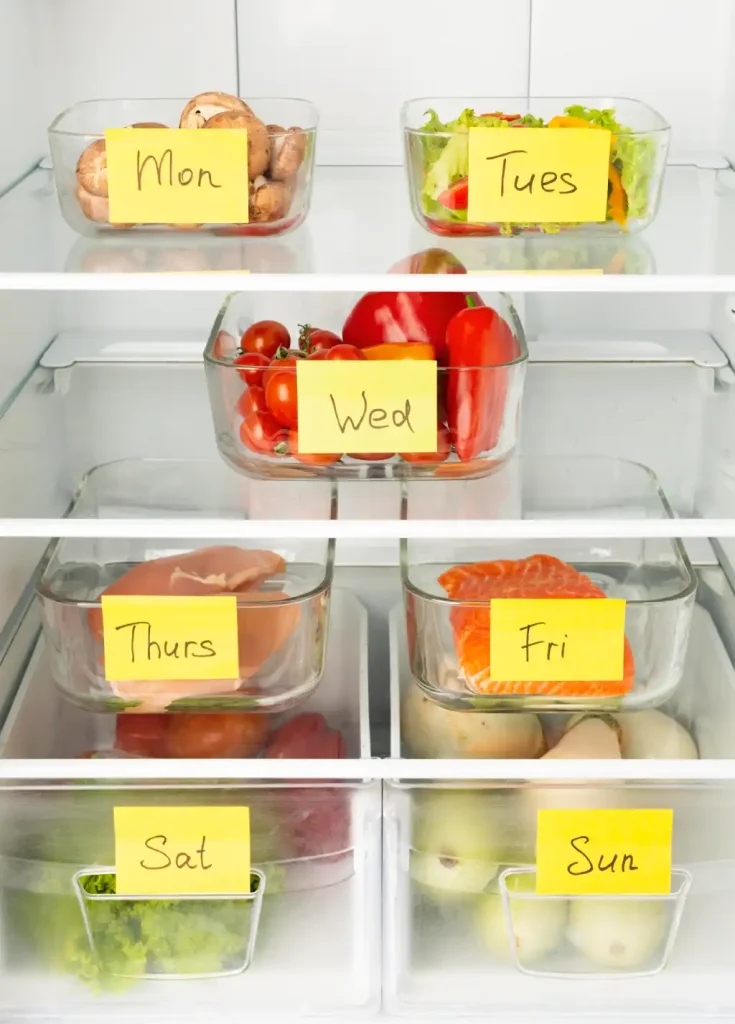
Forgetting to label and date
If you keep your food without a label or a date, it creates confusion. By being confused, your food may be wasted or stored for unsafe times.
To keep your food usable, you should always write the item name and freezing date before placing it in the freezer.
Frequently Asked Questions
Can frozen food last for 2 years?
Yes, some frozen food can last up to 2 years at -18°C, especially items like meat or vegetables. However, while it remains safe, the quality, taste, and texture may decline over time. It’s best to follow recommended storage times for the best results.
Can food in the freezer go bad?
Food doesn’t spoil in the same way in the freezer, but it can still go bad in terms of quality. Freezing slows bacterial growth but doesn’t stop it completely. Over time, food can lose flavour, texture, and nutrients, especially if stored improperly.
When should you throw out freezer food?
You should throw out freezer food if it has a strange smell, colour changes, excessive ice crystals, or a slimy texture after thawing. Damaged packaging or signs of freezer burn affecting quality are also indicators.
Final Thought
You may think that freezing will keep your food fresh forever. It’s not like that. Freezing food is like hitting the pause button on freshness. But without freezing, you can’t keep your food safe, and it will naturally deteriorate.
How long does food last in the freezer? You can freeze your food indefinitely when you get familiar with freezing, refrigerating, and temperature guidelines. As well as planning better meals, you can avoid wastage of time and money. Your simple knowledge can make a greater change in your food life.
By regularly checking your freezer, moving older foods to the front and ensuring that fresh ones are kept in your freezer so they are on hand, prepared, and delicious whenever you need them. Such little care makes your frozen food fit and fresh when you need it.




Level 3 Safeguarding Children and Vulnerable Adults
4.94.9Original price was: £119.00.£29.99Current price is: £29.99.
4512 Students

4 Hours

Level 5 Designated Safeguarding Lead (DSL)
4.94.9Original price was: £199.00.£49.99Current price is: £49.99.
4261 Students
7 Hours

3450 Students
17 Hours







0 responses on "How Long Does Food Last in the Freezer? Complete Guidelines"