


Our Most Popular Categories
Trending
Health and Social Care
Safeguarding
First Aid
Care Certificate
Food Hygiene
Mental Health
Health and Safety
Animal Care & Training
Business Essentials
Career Bundles
Other Courses

- Yearly Subscription: Unlimited Access to 500+ Courses
- Level 3 Safeguarding Children and Vulnerable Adults
- Level 5 Designated Safeguarding Lead (DSL)
- Care Certificate Course
- Safeguarding Level 4 Training
- Health and Social Care Level 3 Diploma
- Accredited Dog First Aid, CPR and Grooming
- Trauma-Informed Care Training
- Level 3 Safeguarding Children and Vulnerable Adults
- Level 5 Designated Safeguarding Lead (DSL)
- Safeguarding Level 4 Training
- Designated Safeguarding Lead (Level 3 DSL Training)
- Safeguarding Adults Level 3
- Level 2 Safeguarding Children and Vulnerable Adults
- Level 3 Diploma in Nursing Assistant Training
- Safeguarding Adults Training Level 3
- Care Certificate Course
- Mandatory Training For Care Staff and Care Workers
- Level 2 Safeguarding Children and Vulnerable Adults
- Care Planning and Record Keeping in Health and Social Care
- Family Support Worker Training
- Training For Care Workers (Complete Package)
- Care Certificate Standards (1 to 16) + Level 2 And 3 Diploma in Health and Social Care
- Mandatory Training for Care Home Staff Training
- Accredited Dog First Aid, CPR and Grooming
- Pet Nutrition Diploma
- Pet First Aid and CPR Certification
- Pet Care and Psychology Diploma
- Learn to Launch and Grow a Pet Business
- Cat First Aid, CPR and Emergency Care
- Complete Dog Behaviour and Training
- Dog First Aid, CPR & Grooming + Safety for Pet Pros & Owners
- Care Certificate Standards 1-16 (The Complete Bundle)
- Training For Care Workers (Complete Package)
- Care Certificate Standards (1 to 16) + Level 2 And 3 Diploma in Health and Social Care
- Mandatory Training for Care Home Staff Training
- First Aid Essentials 1 to 6 Bundle
- Leadership and Management Courses
- Mandatory and Statutory Trainings For Adult Social Care
- Level 3 Admin PA and Secretarial Diploma Bundle
- Diabetes Awareness Training
- Baby Massage Training
- Employment Law Training
- Learn to Launch and Grow a Pet Business
- Complete Dog Behaviour and Training
- Dog First Aid, CPR & Grooming + Safety for Pet Pros & Owners
- Drugs and Alcohol Awareness Training
- Dog Care, Dog Grooming, and Dog First Aid Course Online

Offer Ends In
Use Code


To learn about managing food hygiene and safety properly is essential across any setting. Care homes have vulnerable and elderly residents, making it crucial to have proper food hygiene and safety management there.
Maintaining health, safety, and overall well-being is of paramount importance in today’s world. Knowing how to manage food hygiene in care homes can help safeguard the physical, mental, and social well-being of individuals. Careful considerations in handling, preparing, and storing food can prevent many health hazards and foodborne illnesses.
In this food hygiene and safety guide, you will learn about the ways to manage and ensure food hygiene in care homes properly. Prioritising food safety plays a significant part in securing good health. Learn more about food hygiene management.
Food Hygiene in Care Homes
Food hygiene in care homes refers to the health and safety practices to protect residents from food hazards and illnesses. It is a set of practices and regulations put together by the FSA (Food Standards Agency) across the UK.
The FSA regulations are for preventing cross-contamination and foodborne illnesses. It protects the elderly residents in care homes from health hazards caused by contaminated or unsafe food. There are many key aspects to oversee for managing food hygiene and safety in care homes.
Other than these, maintaining personal hygiene, cleaning and sanitation, food handling and labelling, adequate staff, etc., are effective measures for managing food hygiene and safety.
Why Is Food Hygiene Essential in Care Homes?
Within care homes, the maintenance of excellent food hygiene and safety practices can contribute to residents’ health within such homes. It is an integral part of all food safety management systems. It also protects residents from food hazards and other foodborne illnesses.
Let’s understand the importance of food hygiene in care homes and why we need food safety all over the world!
- Safety measures for the vulnerable and elderly residents of care homes from foodborne illnesses, as well as from other food hazards. Vulnerable and elderly residents are more likely to be at risk for health hazards, such as food poisoning, lactose intolerance, food contamination, etc. It becomes a top concern for everyone to ensure food safety and facilities.
- Preventing and reducing the chance of a communal outbreak in care homes. It reduces the chance of outbreaks and foodborne illnesses, along with improving the health of the residents.
- Identifying potential food hazards and controlling them beforehand is essential here. Good food hygiene and safety practices also help to adopt effective measures to prevent existing food hazards. It also protects residents from illness-causing bacteria, pathogens, etc.
- Food labelling in food safety and hygiene avoids cross-contamination. Identifying and segregating food allergens also play a great role in ensuring the safety of food. This process is part of the food handling practice.
- It is also required to have a good management system to clean and sanitise appropriately. Having a proper waste management system is pivotal here.
- Being careful about using and reusing equipment needed for food safety.
- Ensuring legal compliance and adherence to food hygiene and safety regulations is the last but not least reason for having good food hygiene in care homes. Implementing the FSA, FAO, HACCP regulations, and the Food Safety Acts plays a crucial role here.
Millions of people die every year due to food hazards and unhealthy food habits. Managing proper food hygiene and safety in care homes should become a priority for everyone to ensure food safety.
Best Food Hygiene and Safety Practices in Care Homes
According to the ‘Golden Rule’ of the World Health Organisation (WHO), the best practices for food hygiene and safety are:
- Selecting foods which are processed properly to ensure food safety
- Cooking food thoroughly and at the right temperature
- Eating cooked foods immediately
- Storing cooked foods carefully and in separate containers.
Along with the Golden Rules of WHO, the 5 C’s of food hygiene and safety are also excellent food hygiene and safety practices. It puts an emphasis on preventing foodborne illnesses, bacteria, pathogens, and any other food hazards.
| The 5 C’s of Food Hygiene and Safety | Safety Measures |
| Cleaning | Cleaning is essential for hygiene, sanitation, and waste maintenance. |
| Cooking | Cooking at the right food temperature (75°C or 165°F) |
| Chilling | Cooling food before storing |
| Cross-contamination | Avoiding cross-contamination by food labelling |
| Choosing safe materials | Safe materials for cooking to prevent food hazards |
Other than these, let’s take a quick glance at the elaborated versions of these best food hygiene and safety practices!
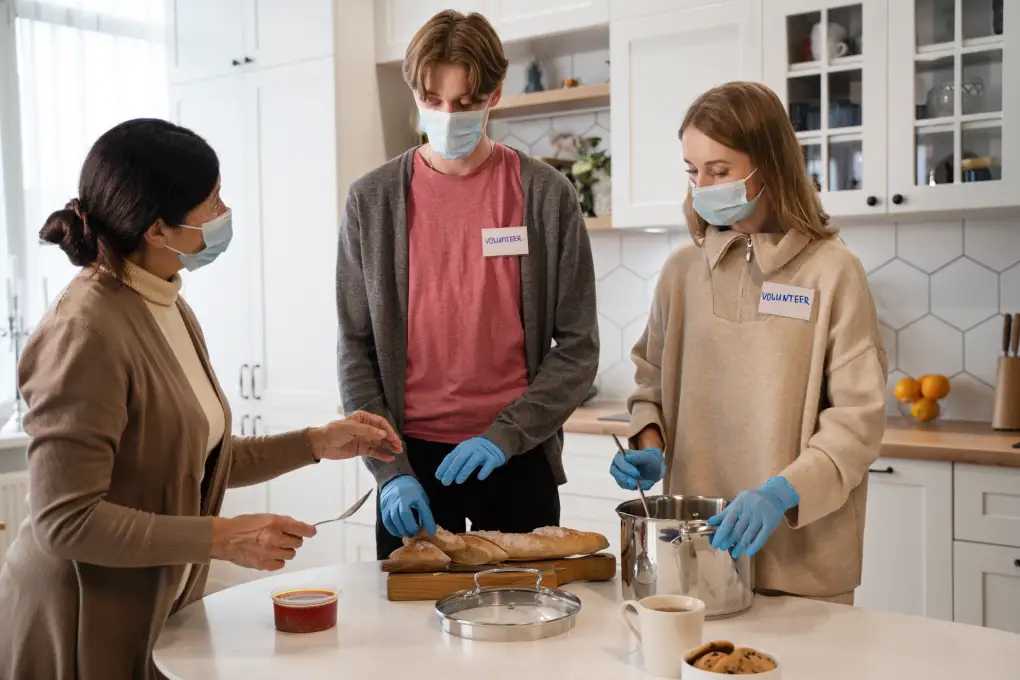
- Wash your hands frequently while preparing and cooking food. You can also wear hand gloves and protective clothes to maintain hygiene and protect yourself from any hazards.
- Separate and wash utensils before using and reusing. You can also store food in separate and suitable containers to prevent cross-contamination.
- Cook food at the right temperature and avoid overcooking or undercooking. In some cases, overcooking can kill the necessary bacteria useful for our immune system. Other than that, it kills harmful bacteria and pathogens.
- Store food after cooling it for a proper amount of time. Chilling food before storing it is a great example of good food hygiene and safety practices.
- Reheat food to a safe temperature, not more than 70°C, for two minutes or so.
- Label your food and food ingredients to be aware of the food allergens.
- Clean your kitchen and maintain effective pest control and waste management to avoid food hazards.
The other safe food practice is understanding the basics of food safety and hygiene in care homes. You can also take training courses online so that you can acquire the required skills for managing food safety and hygiene. A good food management system ensures many facilities and food safety.
How to Manage Food Hygiene in Care Homes Properly?
Managing good food hygiene in care homes is a component of maintaining the health and well-being of residents there. Care homes hold susceptible and older individuals there, and therefore it is more critical to make sure that the food hygiene and safety system is suited to their needs.
Here, let’s take a look at the ways in which you can properly manage food hygiene in care homes!
- Maintaining Personal Hygiene
Individuals working in food businesses or responsible for food hygiene and safety in care homes must maintain personal hygiene. In such scenarios, the staff needs to have strict personal hygiene standards.
- Operating Safe Food Handling and Storage
Operating safe food handling and storage is also important in maintaining food safety. Food needs to be kept in suitable containers separately. Mixing raw and cooked food can cause cross-contamination and severe health damage.
- Maintaining Food Labelling
Maintaining food labelling in all food businesses and care homes is an essential regulation put in place by the FSA. It can prevent many health hazards and illnesses by providing information. Consumers can know the food allergens and the nutrients present in the food they are purchasing.
- Preventing Cross-contamination
To prevent contamination, the FSA emphasises using different utensils and other equipment, such as cutting/chopping boards. You can reuse utensils only after cleaning them properly. Keeping raw and cooked food and materials is another important aspect.
- Controlling Temperature and Food Allergens
Controlling temperature and food allergens is crucial here. Cooking food at the right temperature and separating allergenic and non-allergenic food is a must in maintaining food safety. It protects residents from harmful bacteria and pathogens.
- Cleaning and Sanitation Maintenance
Care homes must have proper cleaning, sanitation, and waste maintenance when it comes to managing food hygiene and safety. Controlling pests and other harmful substances is a part of it as well.
Staff Training for Food Hygiene and Safety in Care Homes
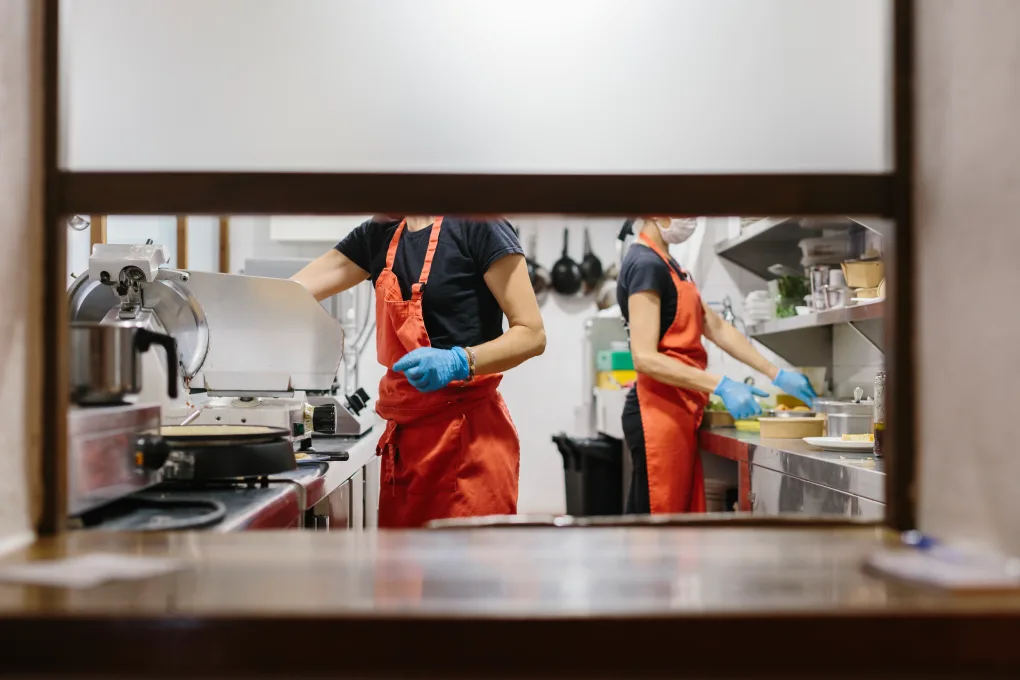
When it comes to having food hygiene and safety in care homes, it is an integral part of the management system to have skilled staff. Individuals working in care homes must learn the necessary skills required for performing their duties.
Various food hygiene and safety trainings are available online for individuals working in or interested in food businesses. These trainings are self-paced and have easy accessibility. The FSA emphasises having adequate staff in care homes to ensure proper food hygiene and safety.


Effective Measures for Food Hygiene in Care Homes
A food safety and hygiene management system is a complete collection of practices, protocols, and guidelines put together to guarantee safe food handling, preparation, and storage. Care homes have old and vulnerable patients, and therefore, it becomes of utmost significance to maintain proper food hygiene and safety measures in place.
- FSMS (Food Safety Management System)
According to the FSMS (Food Safety Management System), it is crucial to have strict food hygiene and safety standards in care homes to protect the elderly and vulnerable individuals. It has compliance with the Food Safety Act 1990, which emphasises food labelling in every food business to ensure safety.
- HACCP (Hazard Analysis and Critical Control Points)
The HACCP (Hazard Analysis and Critical Control Points) oversees all food enterprises in the UK and imposes some regulations on them. All UK food enterprises must comply with food safety and hygiene requirements under the HACCP regulations.
- FSA (Food Standards Agency) on Food Hygiene in Care Homes
Food safety and hygiene requirements by the FSA in care homes are in terms of managing the health and safety of residents and safeguarding them against foodborne illnesses or diseases.
The FSA regulations on food hygiene and safety in care homes are for managing the health and safety of residents and preventing them from foodborne diseases or illnesses. Some key aspects of such regulations on food hygiene are:
- Identifying Potential Food Hazards
The FSA regulations have emphasised identifying potential food hazards to prevent them beforehand. Identifying these hazards can help the authority take effective control measures. It can minimise the existing food hazards as well.
- Ensuring High Standards of Food Hygiene and Safety
Care homes are more prone to food allergens and bacteria due to the physical condition of the residents living there. To ensure proper food hygiene, the staff in food handling, preparing, and storage must maintain high food hygiene and safety standards.
- Developing an Effective Food Safety Management System
Having an adequate food hygiene and safety management system is crucial here. A manager will oversee the duties and overall responsibilities of the staff. An effective FSMS is a tool for controlling food hazards and foodborne illnesses and ensuring proper facilities and safety.
- Implementing HACCP Regulations
Implementing the HACCP regulations in care homes to maintain the health and safety guidelines is another effective measure. HACCP emphasises safe food handling, preparing, and storing. Separating raw and cooked food and materials, food labelling, etc., are key aspects of HACCP to prevent food hazards and illnesses.
- Developing Prerequisite Programs
Developing prerequisite programs to update plans and procedures to ensure food safety is also important. Conducting reviews on food hygiene and safety implementation can help understand the requirements of the residents of care homes.
- Reinforcing a Strong Food Safety Culture
In care homes, reinforcing a strong food safety culture can improve the health and overall well-being of individuals living there. It can have a positive impact on their daily activities and help make their food consumption habits healthy and safe.
Frequently Asked Questions (FAQs)
Which foods are known as high-risk foods?
Foods that have high exposure for bacteria to live, grow, and thrive are known as high-risk foods. Examples of high-risk food are undercooked meat and fish, unpasteurised milk, soup, stock, sauces, and gravy. They can cause severe health hazards and food poisoning.
Do you need training for managing food hygiene in care homes?
Training for food hygiene and safety management in care homes is mandatory for individuals who work in the food business. There are various levels of food hygiene and safety training available online based on specific needs. These level-based trainings help individuals understand their roles and responsibilities better.
How to maximise hygiene when handling food?
The best way to maximise hygiene in food handling is to maintain personal hygiene and other food hygiene and safety guidelines. For example, when you’re a food handler, you can wear hand gloves, or if you’re using your bare hands, then wash your hands.
Conclusion
According to the World Health Organisation (WHO), an estimated 600 million, almost 1 in 10 people in the world, fall ill after eating contaminated food. Food hygiene and safety have become a global concern, particularly for those living in care homes.
It’s our responsibility to have trained staff working in care homes to prepare, handle, and store food. If you want to know how you can do that adequately and how to manage food hygiene in care homes properly, you have to learn the https://www.food.gov.uk/A, HACCP regulations on food safety.
These regulations are placed in care homes across the UK to ensure proper food hygiene and safety. Having an effective Food Safety Management System (FSMS) is another crucial aspect here to manage food safety. It prevents cross-contamination and protects residents from dangerous food hazards, bacteria, pathogens, and foodborne illnesses.




Level 3 Safeguarding Children and Vulnerable Adults
4.94.9Original price was: £119.00.£29.99Current price is: £29.99.
4508 Students

4 Hours

Level 5 Designated Safeguarding Lead (DSL)
4.94.9Original price was: £199.00.£49.99Current price is: £49.99.
4260 Students
7 Hours

3450 Students
17 Hours







0 responses on "How to Manage Food Hygiene in Care Homes Properly?"