


Our Most Popular Categories
Trending
Health and Social Care
Safeguarding
First Aid
Care Certificate
Food Hygiene
Mental Health
Health and Safety
Animal Care & Training
Business Essentials
Career Bundles
Other Courses

- Yearly Subscription: Unlimited Access to 500+ Courses
- Level 3 Safeguarding Children and Vulnerable Adults
- Level 5 Designated Safeguarding Lead (DSL)
- Care Certificate Course
- Safeguarding Level 4 Training
- Health and Social Care Level 3 Diploma
- Accredited Dog First Aid, CPR and Grooming
- Trauma-Informed Care Training
- Level 3 Safeguarding Children and Vulnerable Adults
- Level 5 Designated Safeguarding Lead (DSL)
- Safeguarding Level 4 Training
- Designated Safeguarding Lead (Level 3 DSL Training)
- Safeguarding Adults Level 3
- Level 2 Safeguarding Children and Vulnerable Adults
- Level 3 Diploma in Nursing Assistant Training
- Safeguarding Adults Training Level 3
- Care Certificate Course
- Mandatory Training For Care Staff and Care Workers
- Level 2 Safeguarding Children and Vulnerable Adults
- Care Planning and Record Keeping in Health and Social Care
- Family Support Worker Training
- Training For Care Workers (Complete Package)
- Care Certificate Standards (1 to 16) + Level 2 And 3 Diploma in Health and Social Care
- Mandatory Training for Care Home Staff Training
- Accredited Dog First Aid, CPR and Grooming
- Pet Nutrition Diploma
- Pet First Aid and CPR Certification
- Pet Care and Psychology Diploma
- Learn to Launch and Grow a Pet Business
- Cat First Aid, CPR and Emergency Care
- Complete Dog Behaviour and Training
- Dog First Aid, CPR & Grooming + Safety for Pet Pros & Owners
- Care Certificate Standards 1-16 (The Complete Bundle)
- Training For Care Workers (Complete Package)
- Care Certificate Standards (1 to 16) + Level 2 And 3 Diploma in Health and Social Care
- Mandatory Training for Care Home Staff Training
- First Aid Essentials 1 to 6 Bundle
- Leadership and Management Courses
- Mandatory and Statutory Trainings For Adult Social Care
- Level 3 Admin PA and Secretarial Diploma Bundle
- Diabetes Awareness Training
- Baby Massage Training
- Employment Law Training
- Learn to Launch and Grow a Pet Business
- Complete Dog Behaviour and Training
- Dog First Aid, CPR & Grooming + Safety for Pet Pros & Owners
- Drugs and Alcohol Awareness Training
- Dog Care, Dog Grooming, and Dog First Aid Course Online

Offer Ends In
Use Code


The issue of mental health in the elderly is emerging as a critical field in the UK and other parts of the world. With the ageing of the population, an increasing number of individuals are experiencing the psychological, psychiatric and social challenges that may arise during old age.
But, just like physical health, mental health in older adults matters. And it is, unfortunately, neglected.
Families, carers and health professionals should be aware of the mental health issues in the elderly. With their awareness and support, the elderly can have a more fulfilling life, live independently and continue to be a part of the community.
What is Mental Health in the Elderly?
Mental health among the elderly is the emotional and psychological well-being of individuals who are usually 65 years and above. It includes the cognitions, emotions, coping, social and decision-making of the older adults.
Mental health in the elderly encompasses such clinical disorders as depression, anxiety, mental health problems with dementia, schizophrenia in later life, substance abuse and adjustment disorders to the changes in life.
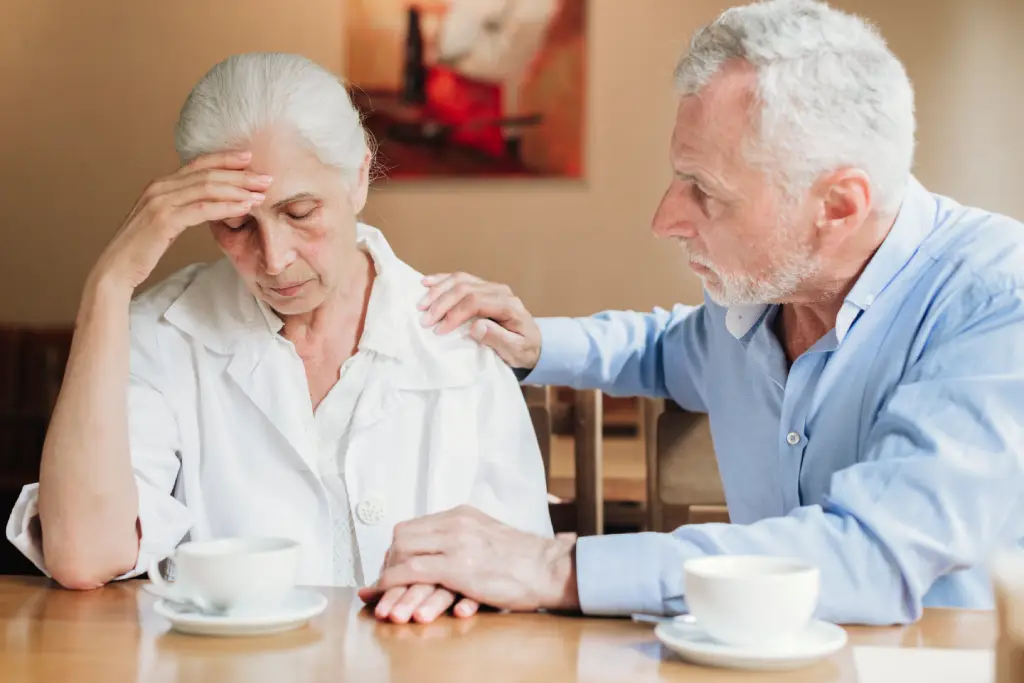
However, it is also associated with more general well-being matters like the sense of purpose in life, social relationships, sense of control, enjoyment and ability to cope with adversity.
We should keep in mind that mental issues are not common with age. A good number of the older adults are in good mental health. However, mental health problems can be brought about by life and health changes.
Why is Mental Health Important in Older Adults?
Mental health is important for the quality of life of older adults.
1. It Affects Physical Health
Mental and physical health are closely related for older adults. Depression can worsen existing conditions, such as heart disease, diabetes, arthritis, lower immunity, slow down recovery from illness and surgery, and make pain worse.
Conversely, good mental health promotes good physical health, taking medication, recovering from illness or surgery and managing chronic illness.
2. It Impacts Independence
Depression and anxiety can cause a loss of self-esteem and motivation, making them less likely to complete self-care, clean their homes or leave their house. This can accelerate the decline and increase their care needs.
3. It Influences Quality of Life
Good mental health can mean the difference between life and death. Older adults who are mentally healthy can still enjoy their lives, have meaningful connections and a sense of purpose in life, and have some happiness, even if they have a physical illness.
4. Increases Pressure on Services and Families
By not treating mental health problems in older adults, this leads to increased visits to doctors, hospitals, nursing homes and emergency rooms. They also put a large strain on families, who may find it challenging to cope with their loved ones’ mental health problems.
5. It Supports Cognitive Function
Thinking and memory are related to mental health. Some of the cognitive effects of mental health conditions can also place people at risk of safety issues such as forgetting to take medication, getting lost and poor judgement.
What Are the Most Common Mental Health Problems in the Elderly?
Older adults can experience a range of mental health conditions. Some of the most common include:
| Condition | Key Symptoms |
| Depression | Persistent sadness, loss of interest, low energy |
| Anxiety | Excessive worry, restlessness, difficulty sleeping |
| Dementia | Memory loss, confusion, difficulty with daily tasks |
| Loneliness | Withdrawal, feelings of isolation |
Depression
Depression is the most prevalent mental health issue among older adults, with 28% of women and 22% of men aged 65 or older experiencing it, according to Age UK. It’s defined by a persistent depressed mood, lack of interest in things, feelings of hopelessness or worthlessness, and physical symptoms such as fatigue and insomnia.
Anxiety Disorders
Older adults can experience generalised anxiety, such as worrying about a range of things, health anxiety, like worrying about having an illness, panic disorder or phobias. Social anxiety can also emerge or intensify as older adults become more socially withdrawn or self-conscious about their appearance.
Dementia
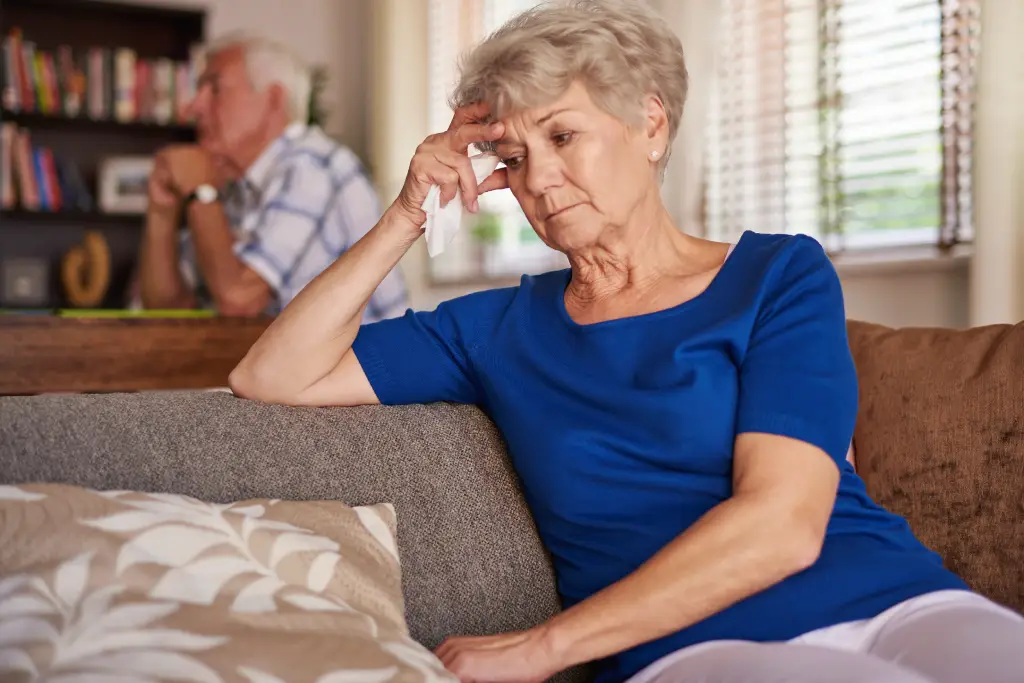
Although dementia is mainly a cognitive disorder, it’s often accompanied by psychological symptoms such as depression, anxiety, agitation, paranoia, hallucinations and mood swings. These symptoms can be as troubling as the cognitive impairment for both the individual and their family.
Loneliness and Social Isolation
Although not a formal diagnosis, loneliness is so harmful to mental health that it’s increasingly recognised as a major public health issue. Social isolation is linked to an increased risk of depression, anxiety, dementia and even physical illness.
What Causes Mental Health Problems in Older Adults?
There’s no single cause of mental health problems in older adults, they are usually the result of a number of factors:
1. Bereavement and Loss
The death of a life partner is a major life stressor. For older people, this loss can also trigger other losses, such as social connections that were based on being a couple, loss of identity as a spouse, loss of support, and even loss of purpose.
2. Social Isolation and Loneliness
Isolation is common due to poor mobility, which makes it harder to take part in social activities, stopping driving, restricting travel, retirement, where work-based social networks disappear, loss of friends or family through death or relocation, and hearing or vision loss, which makes communication harder.
3. Physical Health Decline
Pain, mobility, hearing and vision loss, as well as managing multiple illnesses, can affect mental health. The emotional impact of illness, especially progressive conditions.
A number of physical conditions directly impact the brain, such as stroke, Parkinson’s disease, thyroid dysfunction and vitamin deficiencies.
4. Medication Side Effects
Many older adults take several medications, and some, such as certain blood pressure-lowering medications, painkillers and sedatives, can cause depression or confusion. Drugs can also interact to impact mental health.
5. Financial Worries
Worries about pensions, the cost of living, nursing home fees or fearing that one will leave debts to relatives may cause anxiety. Financial abuse by family members or scammers also affects mental health.
6. Ageism and Social Attitudes
When older adults feel ignored, undervalued or overlooked, it impacts their self-esteem and well-being. Older adults can adopt attitudes like it’s normal for older people to be less worthy of care, or that they are less able to improve.
7. Lifetime Trauma and Mental Health History
Early-life mental health issues often re-emerge or intensify in older age, especially in times of stress. Past traumas, such as from war, abuse and losses, can surface later in life.


What Are the Signs of Poor Mental Health in the Elderly?
It can be difficult to spot mental health issues in older people as symptoms can be dismissed as a normal part of the ageing process or as a physical condition. Here are some of the signs to look out for:
Mood and Emotional Changes
Feeling sad or crying, feeling easily annoyed or agitated, feeling hopeless or worthless, losing interest in usual activities or hobbies, feeling emotionally numb or withdrawn, feeling more anxious or fearful, and mood swings.
Behavioural Changes
Isolation or avoidance of social interactions, neglect of personal appearance or hygiene, changes in appetite such as eating little or a lot, sleep disturbances like insomnia and excessive sleeping, increased use of alcohol, giving away personal possessions, and speaking of death or a desire to die.
Cognitive and Physical Symptoms
Inability to focus or make decisions, memory loss beyond what is expected for age, extreme fatigue or lethargy, unexplained aches and pains, fidgetiness or being very slow, and confusion or disorientation.
Warning Signs of Serious Risk
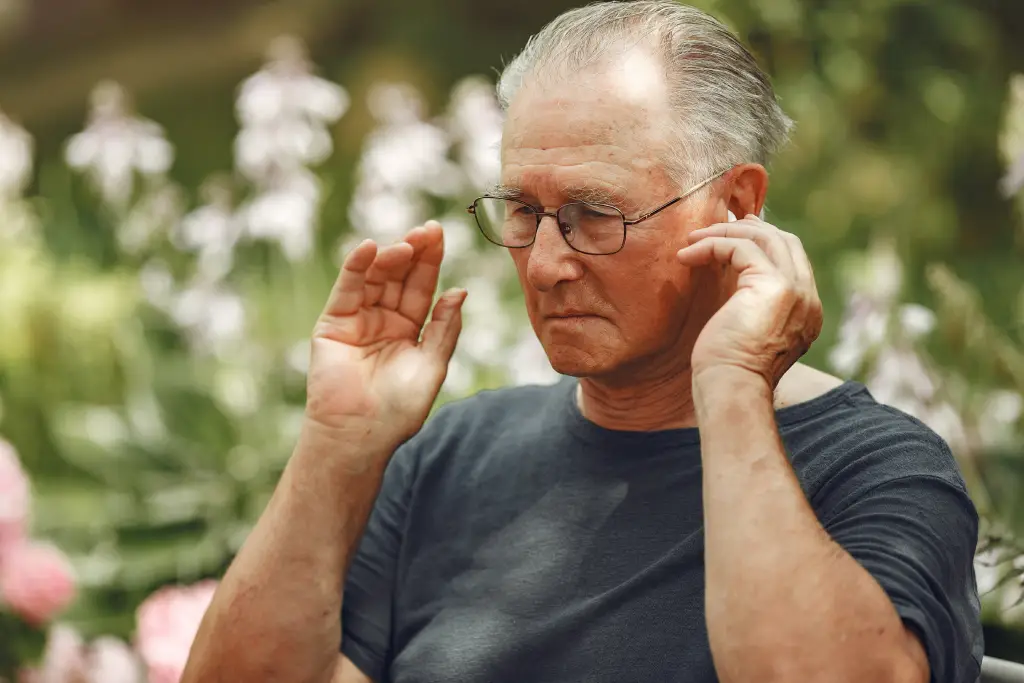
Expressing thoughts of suicide or wanting to be dead, sudden improvement in mood after feeling very depressed, this may mean they have a plan, feeling a pressing need to get things in order, engaging in more risky activities, and giving away their favourite possessions.
How Can Mental Health in the Elderly Be Improved?
A comprehensive approach is needed to improve mental health in the elderly in multiple ways:
Medical and Therapeutic Interventions
Sometimes it’s necessary to seek professional help. This could mean general practitioner (GP) assessment and treatment for depression and anxiety, psychological treatments such as cognitive behavioural therapy (CBT) tailored for older adults, medication, treatment of physical health problems that impact mental health, and specialist mental health services for older adults if required.
Social Connection
Addressing loneliness is important. This could include community events and social clubs, friendship programmes, inter-generational programmes, technology assistance to stay in touch with family, transport assistance to get to programs, and opportunities to volunteer, which give them a sense of purpose and connect them with others.
Physical Activity
Physical activity has profound benefits for mental health, including enhancing mood, combating anxiety, improving sleep and preserving cognitive abilities. Suitable exercise for older people includes walking groups, chair exercises, swimming or water aerobics, low-impact yoga or tai chi, and gardening.
Meaningful Engagement
Engagement and stimulation are important. Examples include participation in creative activities, learning a new skill, reminiscence activities, pet ownership, religious or spiritual participation and continued employment or volunteering.
Nutrition and Sleep
Nutrition is important for physical and mental well-being. Hunger, thirst, and sleep disturbances can all trigger mental health. Occasionally, support with shopping and cooking is helpful.
Environmental Modifications
Small adaptations make a big difference, including good lighting to prevent anxiety and confusion, noise and clutter reduction, comfortable sitting and lying down areas, and photographs and personal items.
Treating Physical Health Problems
Treating pain, hearing or vision impairment, checking for medication side effects, and treating infections or other medical conditions can help.


How Can Carers Support Elderly Mental Health?
Front-line carers play a vital role in promoting mental health in older adults, as they are likely to first notice changes and provide ongoing emotional support.
| Key Areas of Support | Strategies for Carers |
| Recognising and Reporting Concerns | Caregivers need to monitor any changes in mood, behaviour, appetite, sleep or interest, keep a record of these and report such changes to their managers or health professionals as soon as possible. |
| Building Trusting Relationships | Building rapport, being consistently kind and respectful, listening without interrupting and remembering preferences all promote well-being. |
| Supporting Social Connection | Supporting contact with family and friends, encouraging involvement in activities, providing information about local clubs, activities and services, and sometimes just sitting and talking can help reduce isolation. |
| Promoting Independence and Choice | Encouraging independence, providing choice throughout the day, encouraging involvement in decision making, and honouring preferences promote dignity and independence. |
| Creating Positive Environments | Enjoyable and social mealtimes, doing meaningful activities, providing enough stimulation without overstimulating, and providing routine and familiar activities are comforting. |
| Person-Centred Care | Knowing each person’s background, preferences and needs, tailoring approaches to the individual, acknowledging that today’s approaches may not work tomorrow, and seeing people as individuals, not labels, is critical. |
| Self-Care for Carers | Caring for someone with mental health issues can be stressful. It’s important for carers to ask for help when it’s needed, to take care of themselves, to undertake mental health training, and to be aware of their own limits. |
FAQs
What are common mental health problems in the elderly?
The most common mental health issues among the elderly are depression, anxiety, dementia and loneliness.
How does mental health affect older adults?
Mental health problems affect older adults in a number of ways. They create poorer physical health outcomes through lowered immunity, delayed recovery from illness, greater pain sensitivity and influence on the management of chronic illnesses such as diabetes or cardiovascular disease
What is the 3-3-3 rule in mental health?
The 3-3-3 rule is a simple grounding technique used to reduce anxiety:
1. Name 3 things you can see
2. Name 3 things you can hear
3. Move 3 parts of your body
What are the 5 C’s of mental health?
The 5 C’s often refer to:
1. Connection
2. Coping
3. Confidence
4. Control
5. Commitment
Conclusion
Mental health in the elderly is important for those affected, for their families and for society. With an ageing population, we need to stop neglecting the mental health of older adults.
Fortunately, mental health problems in older adults are preventable and almost always treatable. Ageing does not have to be accompanied by depression, anxiety and loneliness. Older people can live with good mental health and rebound from mental health problems with timely support, intervention and care.
This requires action at every level. Health services need to prioritise older adults, just as they would with physical health, ensuring specialist services and integrated services. Communities need to address loneliness through opportunities for social activity, transport and befriending services. Families need to stay connected, provide a sounding board, and seek help.



Level 3 Safeguarding Children and Vulnerable Adults
4.94.9Original price was: £119.00.£29.99Current price is: £29.99.
4499 Students

4 Hours

Level 5 Designated Safeguarding Lead (DSL)
4.94.9Original price was: £199.00.£49.99Current price is: £49.99.
4253 Students
7 Hours

3448 Students
17 Hours







0 responses on "Why Mental Health in the Elderly Matters More Than Ever? "