


Our Most Popular Categories
Trending
Health and Social Care
Safeguarding
First Aid
Care Certificate
Food Hygiene
Mental Health
Health and Safety
Animal Care & Training
Business Essentials
Career Bundles
Other Courses

- Yearly Subscription: Unlimited Access to 500+ Courses
- Level 3 Safeguarding Children and Vulnerable Adults
- Level 5 Designated Safeguarding Lead (DSL)
- Care Certificate Course
- Safeguarding Level 4 Training
- Health and Social Care Level 3 Diploma
- Accredited Dog First Aid, CPR and Grooming
- Trauma-Informed Care Training
- Level 3 Safeguarding Children and Vulnerable Adults
- Level 5 Designated Safeguarding Lead (DSL)
- Safeguarding Level 4 Training
- Designated Safeguarding Lead (Level 3 DSL Training)
- Safeguarding Adults Level 3
- Level 2 Safeguarding Children and Vulnerable Adults
- Level 3 Diploma in Nursing Assistant Training
- Safeguarding Adults Training Level 3
- Care Certificate Course
- Mandatory Training For Care Staff and Care Workers
- Level 2 Safeguarding Children and Vulnerable Adults
- Care Planning and Record Keeping in Health and Social Care
- Family Support Worker Training
- Training For Care Workers (Complete Package)
- Care Certificate Standards (1 to 16) + Level 2 And 3 Diploma in Health and Social Care
- Mandatory Training for Care Home Staff Training
- Accredited Dog First Aid, CPR and Grooming
- Pet Nutrition Diploma
- Pet First Aid and CPR Certification
- Pet Care and Psychology Diploma
- Learn to Launch and Grow a Pet Business
- Cat First Aid, CPR and Emergency Care
- Complete Dog Behaviour and Training
- Dog First Aid, CPR & Grooming + Safety for Pet Pros & Owners
- Care Certificate Standards 1-16 (The Complete Bundle)
- Training For Care Workers (Complete Package)
- Care Certificate Standards (1 to 16) + Level 2 And 3 Diploma in Health and Social Care
- Mandatory Training for Care Home Staff Training
- First Aid Essentials 1 to 6 Bundle
- Leadership and Management Courses
- Mandatory and Statutory Trainings For Adult Social Care
- Level 3 Admin PA and Secretarial Diploma Bundle
- Diabetes Awareness Training
- Baby Massage Training
- Employment Law Training
- Learn to Launch and Grow a Pet Business
- Complete Dog Behaviour and Training
- Dog First Aid, CPR & Grooming + Safety for Pet Pros & Owners
- Drugs and Alcohol Awareness Training
- Dog Care, Dog Grooming, and Dog First Aid Course Online

Offer Ends In
Use Code


Nearly two-thirds (64%) of patients report experiencing inadequate communication about their healthcare. A similar proportion (61%) says that poor communication has negatively affected their health.
Inadequacies in communication are damaging medical care and NHS (National Health Service) resources. This highlights the importance of understanding the Methods of Communication in Health and Social Care, as effective communication builds trust, improves patient safety, and ensures person-centred care through appropriate verbal, non-verbal, written, and digital approaches.
Another report reveals that the biggest positive influence on patients’ safety in health and social care would be effective communication. With the help of our guide, you will learn about what effective communication in health and social care is, its different methods, and why we need it. Explore more.
What Is Effective Communication?
Effective communication refers to the process of exchanging information. It can be ideas, thoughts, opinions, knowledge, or data. The purpose is to receive and understand the message with clarity and purpose.
It’s more than just exchanging information. It’s more about understanding the emotion and intentions behind the information. According to the National Institutes of Health (NIH), effective communication requires paying attention to the entire process, not just the content of the message.
Effective Communication in Health & Social Care
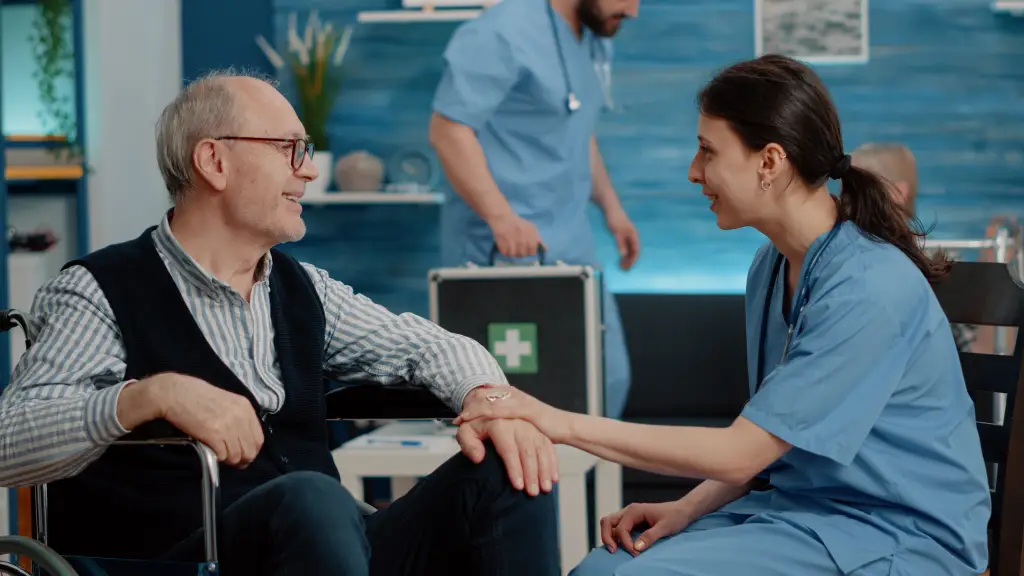
Effective communication in health and social care refers to the process of exchanging information with clarity, purpose, and empathy. It’s not only about exchanging messages but also about building trust. It also ensures a better understanding.
Effective communication can happen through various constructive methods. It includes active listening, using simple language, non-verbal cues, and cultural sensitivity. It also includes tailoring methods like verbal, written, and visual to the individual.
Effective communication plays a crucial role in ensuring the health and safety of individuals. It’s required everywhere, particularly in a health and social care setting. It ensures reliability, patient safety, and person-centred care and aid.
Why Do We Need Effective Communication in Health and Social Care?
In the UK, communication-related medical errors contribute to over 1,700 lives lost annually. This is why having an effective communication system is a must for every work sector.
Here, we will explore the core reasons why we need effective communication in health and social care!
- It enhances patient safety & reduces any errors
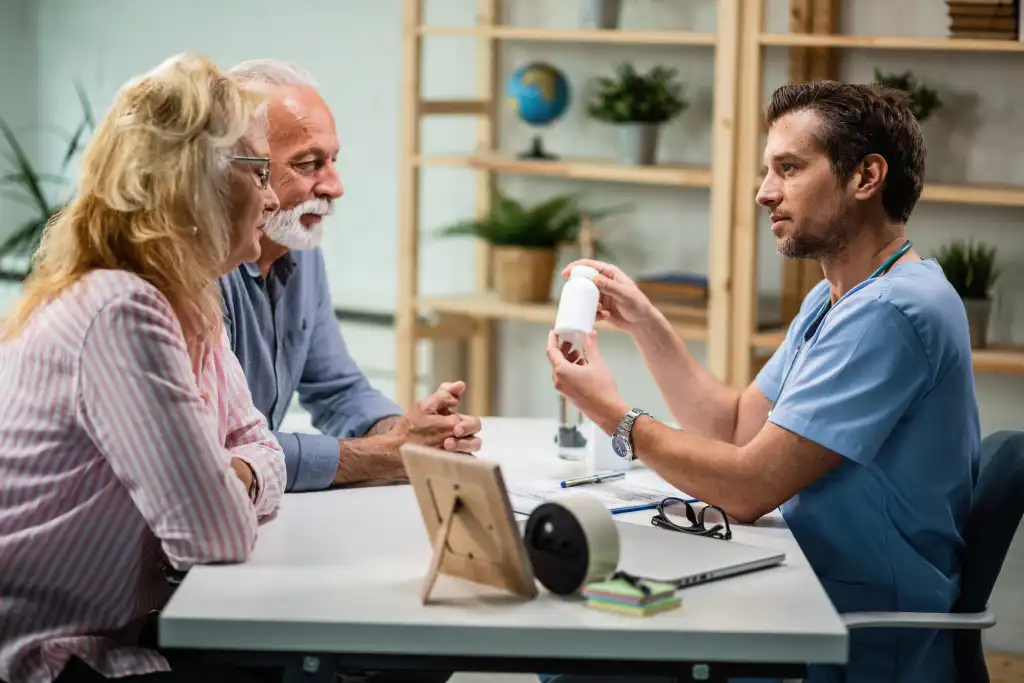
Clear communication prevents errors in medication, diagnosis, and treatment plans. Errors in such matters can be life-threatening for individuals. It’s important to provide patients with careful and accurate medication. It will prevent any health risks and ensure the good health of patients.
- It builds trust, reliability & rapport
Feeling heard and understood makes patients more likely to trust providers. They also feel more included and comfortable. It’s an effective way to reduce anxiety and improve mental health as well.
- It enables person-centred care
It helps health and social care providers understand individual needs, preferences, and choices. It ensures the empowerment of service users and care which is tailored to them.
- It improves teamwork & coordination
Effective communication makes sure that all healthcare workers are aligned on a patient’s care plan. It prevents duplication and reduces any errors. It can lead to improved health conditions for patients.
- It boosts patient understanding & engagement
Patients make informed decisions about their care with the help of effective communication. It leads to better self-management and adherence to patient treatment.
- It supports emotional well-being
Communication also leads to better mental health and diminishes a sense of loneliness. It builds a compassionate atmosphere in which people can feel important and significant.
- It fosters openness & transparency
Effective communication creates an environment where concerns can be voiced. It has a higher chance of being delivered effectively. It leads to more honest and effective care delivery.
- It increases satisfaction
When proper means of communication are adopted, people get to feel respected and valued. They also feel more contented with the attention and care that they get.
What Are the Key Methods of Communication in Health and Social Care?

Some key methods of communication in health and social care play a vital role in ensuring the health and safety of patients. It includes verbal, non-verbal, written, visual, and electronic communication methods.
Other specialised methods include sign language, formal and informal language, and active listening. Let’s understand them better!
- Verbal Communication Method
Verbal communication means the use of spoken words in exchanging information. It can be face-to-face discussions, commands, phone calls or even virtual meetings.
Some examples of verbal communication can be,
- Asking questions to understand patients’ problems.
- Discussing treatment plans and other crucial information with patients.
- Giving simple and concise instructions to care workers.
- Speaking with a colleague about a patient to better understand.
- Discussing a problem with a supervisor or employer.
- Non-Verbal Communication Method
Non-verbal communication happens through body language, facial expressions, gestures, posture, and eye contact. It’s crucial for conveying empathy and understanding emotions, notes, and problems.
Nonverbal communication and body language training can be an effective method of communication. It will help you gain the required skills and practical knowledge for your role.


Some examples of non-verbal communication are,
- Nodding.
- Good eye contact.
- Leaning in when talking to someone.
- Not crossing arms.
- Written Communication Method
Written communication methods are essential for accuracy. It includes care plans, patient notes, emails, reports, and letters. It ensures clarity and legal compliance.
Keeping documents or records in written form also helps track the progress. Some examples are email, letters, memos, reports, text messages, etc.
- Visual Communication Method
Visual communication involves using diagrams, charts, pictures, and graphs. It helps service users understand complex medical information better. It’s another effective method of communication in a health and social care setting.
- Electronic Communication Method
It includes digital communication via texts, emails, social media, or specialised health apps. It’s for quick updates and information sharing.
Some examples are email, instant messaging, texting, video conferencing, collaboration tools, etc.
Specialised & Supporting Methods

- Sign Language & Braille Method
Sign language and the Braille method are vital methods for individuals with hearing or visual impairments. Methods such as Makaton or BSL (British Sign Language).
- Formal vs. Informal Method
Good verbal communication allows transparency and exposure to daily tasks and requirements.
It includes both formal and informal methods.
Formal communication follows structured channels such as shift handovers. While informal communication is more casual, like chatting with a client.
- Active Listening as a Communication Method
Active listening is paying full attention, using verbal and non-verbal cues to show you’re engaged. It is vital for building rapport and trust.
Some examples can be,
- Being empathetic and caring.
- Summarising or paraphrasing to show understanding.
- Use of non-verbal communication to show comprehension.
- Using verbal affirmations
- Asking open-ended questions
- Requesting clarification through asking certain questions.
- You are waiting as you are going to tell your opinion.
- Sharing of such examples or experiences to show knowledge.
How to Promote Effective Communication in Health and Social Care?
- Active Listening
Active listening is an essential specialised method for communication. Being attentive, nodding, maintaining eye contact and making positive sounds. It will show your interest in a way that improves communication.
- Empathy & Compassion
Empathise with them by using phrases that can comfort and validate their emotions. Bringing empathy and supportive behaviour into the communication can bring a positive influence.
- Clarity & Simplicity
Use simple and brief words to make your message clearer to understand. It’s better not to use any medical terms and provide a single message at a time.
- Open-Ended Questions
Instead of asking ‘Are you well?’, ask ‘How well are you?’ to encourage more details. It builds trust and a good relationship among the care workers and patients.
- Non-Verbal Cues
In effective communication, using positive body language, appropriate touch, and warm smiles can go a long way. Non-verbal cues are more about small body gestures and facial expressions.
- Patience & Adaptability
You can also allow extra time for processing the information. Adjusting your pace and being flexible with communication methods can be useful. It creates patience among everyone and helps them adapt without much struggle.
- Record & Share
Keeping clear records and sharing notes with patients will help track their progress. It ensures understanding and continuity in enhancing their physical and mental well-being.
- Trust & Reliability
Reliability and a non-judgmental mindset play a significant role here. It creates a safe environment through constructive communication methods.
- Support Networks
Another crucial part of effective communication is to engage other people. For example, families, friends, and communities, where they feel appropriate.
- Multiple Methods
There are also multiple methods that you can use to communicate effectively. You can combine face-to-face talks with communication boards, notes, or digital platforms. These work great together in delivering correct information.
- Cultural Competence
It’s also important to be aware of the cultural differences of individuals. You can use interpreters if needed. It will make them feel more included and build reliability among each other.
- Educate & Empower
You can also teach individuals about their care to increase their involvement. This way, it will be more effective in improving their health.
Effective communication is needed everywhere, particularly in health and social care settings. You can join various online courses to learn the valuable skills required for effective communication. It will also help you build personal qualities you would need to be a good health or social care worker.
Frequently Asked Questions (FAQs)
What are the methods of health communication?
The core methods of health communication are verbal, non-verbal, written, and electronic methods. It focuses on clarity and adapting to the audience. Broader strategies involve interpersonal (face-to-face), broadcast (TV, radio), and print (pamphlets) channels.
What are the 7 Cs for effective communication?
The 7 Cs of effective communication are a set of principles. It includes clarity, conciseness, concreteness, correctness, coherence, completeness, and courtesy. These guidelines are followed to send a clear, error-free message for effective communication.
What are four key skills in communication?
The four key communication skills are listening, speaking, reading, and writing. They form the core of language proficiency. It allows you to understand others and express yourself clearly. Other necessary skills, like nonverbal cues, emotional intelligence, also build effective interactions.
Conclusion
The importance of having effective methods of communication in health and social care is a necessity now. It ensures the health, safety, and well-being of patients. Effective communication helps you deliver person-centred, high-quality care to individuals.
Understanding the Methods of Communication in Health and Social Care is essential whether you’re communicating with service users, colleagues, or family members. Using the right communication method ensures accurate information is shared, prevents negligence, and reduces the risk of medical errors.
Having a good communication and information management system should be a legal requirement. It’s crucial for every work sector, particularly the health and social care sectors. With this, we can ensure reliability, high-quality care, and person-centred help.




Level 3 Safeguarding Children and Vulnerable Adults
4.94.9Original price was: £119.00.£29.99Current price is: £29.99.
4508 Students

4 Hours

Level 5 Designated Safeguarding Lead (DSL)
4.94.9Original price was: £199.00.£49.99Current price is: £49.99.
4260 Students
7 Hours
-
3450 Students
17 Hours









0 responses on "Effective Methods of Communication in Health and Social Care"