


Our Most Popular Categories
Trending
Health and Social Care
Safeguarding
First Aid
Care Certificate
Food Hygiene
Mental Health
Health and Safety
Animal Care & Training
Business Essentials
Career Bundles
Other Courses

- Yearly Subscription: Unlimited Access to 500+ Courses
- Level 3 Safeguarding Children and Vulnerable Adults
- Level 5 Designated Safeguarding Lead (DSL)
- Care Certificate Course
- Safeguarding Level 4 Training
- Health and Social Care Level 3 Diploma
- Accredited Dog First Aid, CPR and Grooming
- Trauma-Informed Care Training
- Level 3 Safeguarding Children and Vulnerable Adults
- Level 5 Designated Safeguarding Lead (DSL)
- Safeguarding Level 4 Training
- Designated Safeguarding Lead (Level 3 DSL Training)
- Safeguarding Adults Level 3
- Level 2 Safeguarding Children and Vulnerable Adults
- Level 3 Diploma in Nursing Assistant Training
- Safeguarding Adults Training Level 3
- Care Certificate Course
- Mandatory Training For Care Staff and Care Workers
- Level 2 Safeguarding Children and Vulnerable Adults
- Care Planning and Record Keeping in Health and Social Care
- Family Support Worker Training
- Training For Care Workers (Complete Package)
- Care Certificate Standards (1 to 16) + Level 2 And 3 Diploma in Health and Social Care
- Mandatory Training for Care Home Staff Training
- Accredited Dog First Aid, CPR and Grooming
- Pet Nutrition Diploma
- Pet First Aid and CPR Certification
- Pet Care and Psychology Diploma
- Learn to Launch and Grow a Pet Business
- Cat First Aid, CPR and Emergency Care
- Complete Dog Behaviour and Training
- Dog First Aid, CPR & Grooming + Safety for Pet Pros & Owners
- Care Certificate Standards 1-16 (The Complete Bundle)
- Training For Care Workers (Complete Package)
- Care Certificate Standards (1 to 16) + Level 2 And 3 Diploma in Health and Social Care
- Mandatory Training for Care Home Staff Training
- First Aid Essentials 1 to 6 Bundle
- Leadership and Management Courses
- Mandatory and Statutory Trainings For Adult Social Care
- Level 3 Admin PA and Secretarial Diploma Bundle
- Diabetes Awareness Training
- Baby Massage Training
- Employment Law Training
- Learn to Launch and Grow a Pet Business
- Complete Dog Behaviour and Training
- Dog First Aid, CPR & Grooming + Safety for Pet Pros & Owners
- Drugs and Alcohol Awareness Training
- Dog Care, Dog Grooming, and Dog First Aid Course Online

Offer Ends In
Use Code


Difference?
The difference between a nursing home and a care home is vague to many, as both have a similar concept. Basically, nursing homes and care homes provide care to residents by creating a safe and helpful environment. When choosing which one is right for an elderly person, knowledge of nursing home vs care home is the guidebook.
A nursing home provides on-site medical care, with registered nurses available 24/7. When someone is discharged from hospital and needs immediate care after that, a nursing home is for them. On the other hand, a care home offers personal care and help with daily activities such as dressing and washing.
This blog post will guide you through the difference between nursing homes and care homes, the cost of both, and how to choose the right one. Let’s explore.
What is a care home?
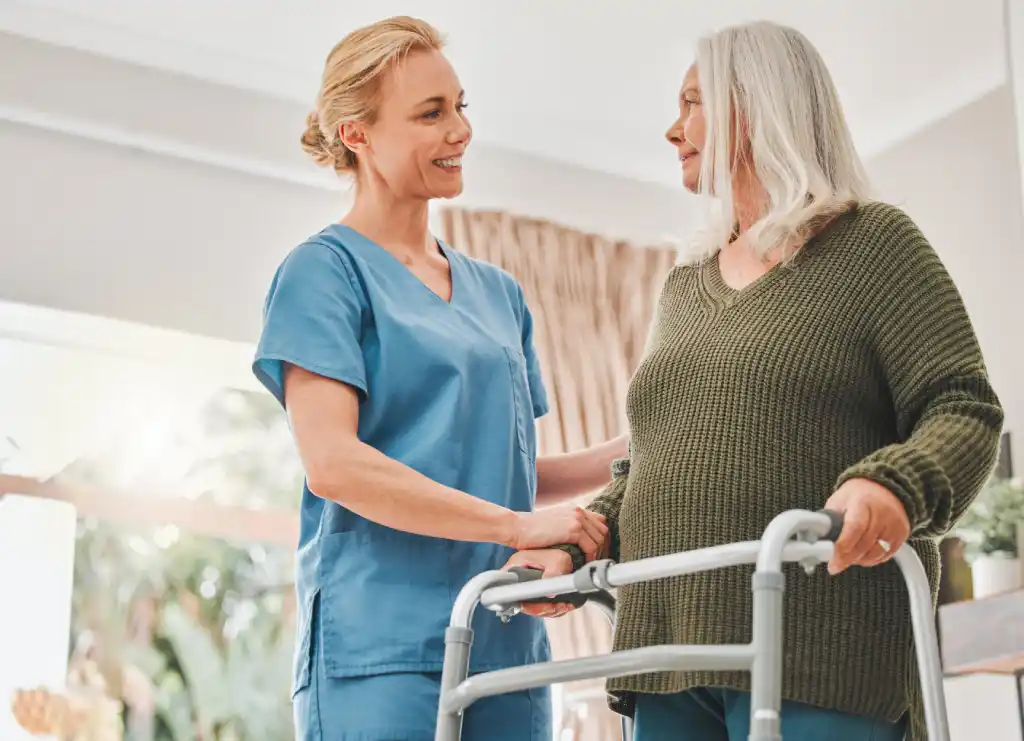
A care home is also known as a residential care home. They provide elderly people with daily care needs and personal care to create a safe and comfortable environment.
The elderly residents of the care home get support from the care staff and support workers. The help includes washing, dressing, eating, taking medication, and help with mobility.
Providing emotional support to the elderly residents is another responsibility of a care home in the UK. The residents also get the opportunity to socialise with others and keep themselves busy.
What is a nursing home?
A nursing home provides a higher level of care with on-duty registered nurses 24 hours a day. Usually, a nursing home helps people with post-surgery support or long-term care needs.
Like residential care homes, nursing homes are regulated by the CQC. Nursing homes also provide support to residents with complex medical conditions, such as advanced dementia, Parkinson’s, or those needing regular clinical monitoring.
So, if you want to support people in a nursing home, then the diploma in nursing assistant training is a good place to start.
Nursing home vs care home: What is the difference?
| Criteria | Nursing Home | Care Home |
| Level of care | Higher, with 24/7 registered nurses | Personal care, support with daily activities |
| Medical support | Post-surgery, chronic illness care, specialist monitoring | Limited medical care; focus on daily living needs |
| Staff | Registered nurses, trained care assistants | Care assistants, support staff |
| Ideal for | Residents recovering from surgery, managing chronic illness, or with advanced conditions like dementia | Older adults who are largely independent but need support |
| Cost | Generally higher | Generally lower |
| Facilities | Medical equipment, treatment rooms, nurse stations | Residential-style rooms, communal areas |


What are dual-registered care homes?
Some care homes are registered to provide both residential and nursing care in the same facility. These are known as dual-registered care homes.
Sometimes residents need the facilities of nursing homes. Later, their requirement may change based on their health conditions. If both facilities are provided under the same roof, then the residents don’t have to relocate. And this is the main advantage of a dual-registered care home.
How much do nursing homes and care homes cost in the UK?
The cost of nursing homes and care homes in the UK varies depending on the location, type of care needed and much more. On average, residential care homes in the UK cost around £949 to £1,298 per week. And nursing homes typically range from £1,267 to £1,535 per week.
| Type of Home | Average Weekly Cost |
| Care Home | £949 – £1,298 |
| Nursing Home | £1,267 – £1,535 |
Is a care home cheaper than a nursing home?
Yes, generally a care home is cheaper than a nursing home in the UK. This is because nursing homes provide round-the-clock support. In a nursing home, registered nurses are mandatory.
Costs also vary significantly by region. In London and the South East, nursing homes typically charge more than in the North East or Yorkshire.
How to decide which one is right for your loved one?
Confusion about whether nursing homes or care homes are the right choice for your loved ones is something that is a common struggle. We have talked with families and medical experts to identify the steps that you can follow before choosing. Let’s take a look:
Step 1 — Assess health needs
First, you must assess the health needs of your loved ones. This means you have to identify what kind of problem they are facing. Once you can figure this out, it makes the other process easier.
If your loved one is just out of surgery, then they will need care different from those who have chronic illnesses such as dementia care, diabetes, and much more. So, based on these, you have to assess the health needs.
Step 2 — Evaluate daily living support
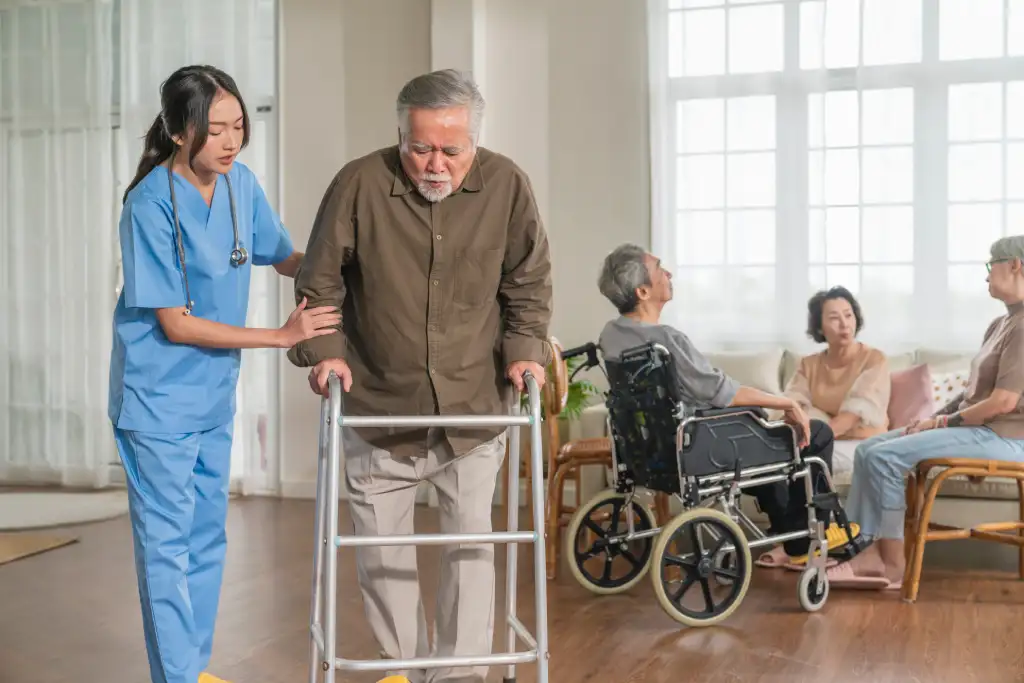
Check what kind of support your loved ones will need in their daily tasks, such as washing, dressing, eating, and moving around safely. If they can manage most of these independently and do not need help all the time, then a care home is suitable for them.
But if they need constant supervision or support with mobility, they will need a higher level of care. In this case, a nursing home is more suitable for them.
Step 3 — Consult professionals
After you have done your assessment and evaluation, speak with a GP, social worker, or care needs assessor. They can also do an assessment and give you an honest decision based on your loved one’s condition.
This will also help you to understand whether your assessment was right or wrong. If you are wrong, then they can guide you regarding the appropriate level of care required.
Step 4 — Consider dual-registered homes
After talking with a professional, if you are still confused about whether your loved one’s needs of care might change, then choose a dual-registered home for them.
In a dual-registered home, you will get both the care home and nursing home facilities. This gives you the option to change the care plan for your loved ones without relocating.
Step 5 — Review costs and location
So once you have decided which care you will choose for your loved ones, you can review the cost of some care homes or nursing homes near you. Choose a care home or nursing home that is close to your home, so you can visit your loved one more easily.
FAQ
How do you pay for a care home if you have no money?
If someone cannot afford care home fees, the local authority may help pay after a financial assessment. Support can depend on income, savings, and assets. Some people may also qualify for NHS funding. A social worker or care adviser can help explore available options.
Do I lose my state pension if I go into a care home?
No, you do not automatically lose your state pension when you move into a care home. However, your pension income may be considered during a financial assessment to decide how much you contribute towards care costs. The rules depend on your personal financial situation.
Who decides when you go into a care home?
Usually, the decision of someone going into a care home is made by the person who will need the care if they have the mental capacity to do so. The family members, healthcare professionals, and social services can only help them but can not make the decision for them.
Conclusion
Both nursing homes and care homes provide support to create a safe and helpful environment. But their services are not the same. That’s why understanding the difference between a nursing home vs care home is key for choosing the right care for your loved one.
Nursing homes provide higher quality care to the residents, and they have registered nurses on site. People with long-term medical care needs or immediate care after being discharged from hospitals can receive support from nursing homes. Those who need support with daily tasks, such as washing, dressing, or taking medication, can get support from care homes.
Choosing the right care option depends on individual needs. Understanding these differences helps families make informed decisions for their loved ones.




Level 3 Safeguarding Children and Vulnerable Adults
4.94.9Original price was: £119.00.£29.99Current price is: £29.99.
4508 Students

4 Hours

Level 5 Designated Safeguarding Lead (DSL)
4.94.9Original price was: £199.00.£49.99Current price is: £49.99.
4260 Students
7 Hours

3450 Students
17 Hours







0 responses on "Nursing Home vs Care Home: What Is the Difference?"