


Our Most Popular Categories
Trending
Health and Social Care
Safeguarding
First Aid
Care Certificate
Food Hygiene
Mental Health
Health and Safety
Animal Care & Training
Business Essentials
Career Bundles
Other Courses

- Yearly Subscription: Unlimited Access to 500+ Courses
- Level 3 Safeguarding Children and Vulnerable Adults
- Level 5 Designated Safeguarding Lead (DSL)
- Care Certificate Course
- Safeguarding Level 4 Training
- Health and Social Care Level 3 Diploma
- Accredited Dog First Aid, CPR and Grooming
- Trauma-Informed Care Training
- Level 3 Safeguarding Children and Vulnerable Adults
- Level 5 Designated Safeguarding Lead (DSL)
- Safeguarding Level 4 Training
- Designated Safeguarding Lead (Level 3 DSL Training)
- Safeguarding Adults Level 3
- Level 2 Safeguarding Children and Vulnerable Adults
- Level 3 Diploma in Nursing Assistant Training
- Safeguarding Adults Training Level 3
- Care Certificate Course
- Mandatory Training For Care Staff and Care Workers
- Level 2 Safeguarding Children and Vulnerable Adults
- Care Planning and Record Keeping in Health and Social Care
- Family Support Worker Training
- Training For Care Workers (Complete Package)
- Care Certificate Standards (1 to 16) + Level 2 And 3 Diploma in Health and Social Care
- Mandatory Training for Care Home Staff Training
- Accredited Dog First Aid, CPR and Grooming
- Pet Nutrition Diploma
- Pet First Aid and CPR Certification
- Pet Care and Psychology Diploma
- Learn to Launch and Grow a Pet Business
- Cat First Aid, CPR and Emergency Care
- Complete Dog Behaviour and Training
- Dog First Aid, CPR & Grooming + Safety for Pet Pros & Owners
- Care Certificate Standards 1-16 (The Complete Bundle)
- Training For Care Workers (Complete Package)
- Care Certificate Standards (1 to 16) + Level 2 And 3 Diploma in Health and Social Care
- Mandatory Training for Care Home Staff Training
- First Aid Essentials 1 to 6 Bundle
- Leadership and Management Courses
- Mandatory and Statutory Trainings For Adult Social Care
- Level 3 Admin PA and Secretarial Diploma Bundle
- Diabetes Awareness Training
- Baby Massage Training
- Employment Law Training
- Learn to Launch and Grow a Pet Business
- Complete Dog Behaviour and Training
- Dog First Aid, CPR & Grooming + Safety for Pet Pros & Owners
- Drugs and Alcohol Awareness Training
- Dog Care, Dog Grooming, and Dog First Aid Course Online

Offer Ends In
Use Code


Safeguarding the care home adult residents is very crucial because it helps them to live their lives as independently as possible.
So what does safeguarding adults in care homes mean? It means keeping them safe from harm, abuse and neglect. As they are the residents of care homes, protecting their dignity and promoting their independence, rights and well-being are a core part of adult safeguarding, which helps them to lead a hassle-free life.
This blog post covers the principles of safeguarding adults, the responsible person for adult safeguarding, reporting concerns for those who are living in care homes and much more. Read on for more details.
What is safeguarding adults in care?
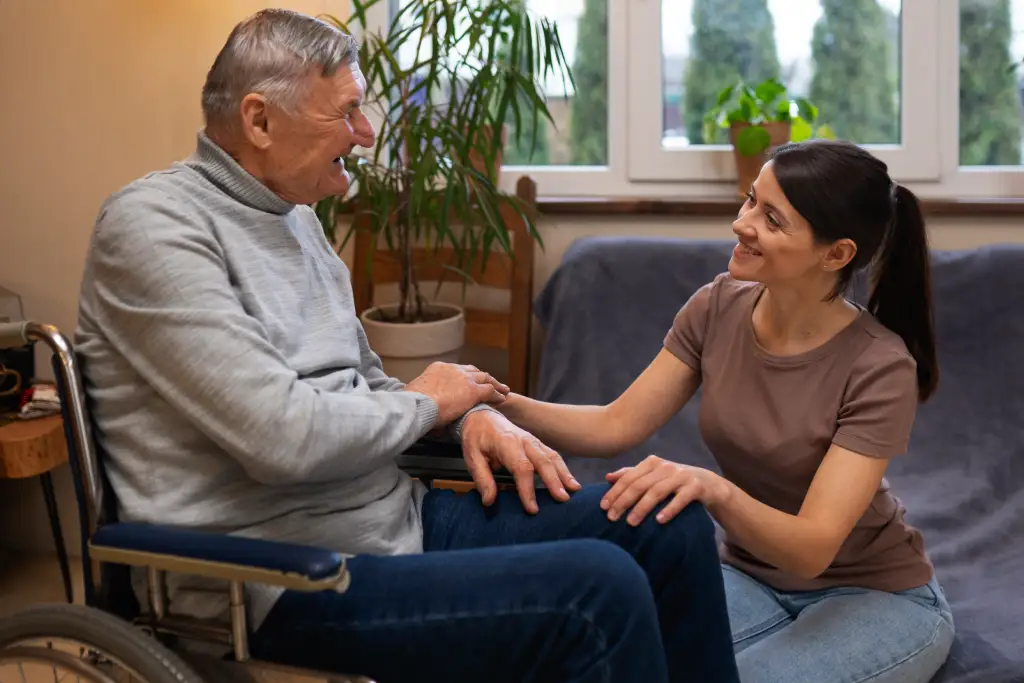
Safeguarding adults and senior citizens in care means protecting their rights. By protecting their rights, you will help them to live a life free from neglect, abuse and harm. It is also involved in the Care Act 2014 to ensure the safety of adults who are unable to protect themselves.
Protecting adults means you have to help them both emotionally and physically. But it doesn’t mean that you have to make decisions for them. As a carer, your job would be to help them make their own choices in a way that protects their dignity.
What does safeguarding adults in care homes mean?
As a care home staff you must ensure that no residents are being harmed by taking proactive measures such as identifying abuse and risks. Adult safeguarding in care homes also includes protecting the care home residents from abuse, harm and neglect by protecting their rights.
In care homes, the safeguarding of adults is also a responsibility of the care home authority. That’s why, while recruiting care home staffs ensuring a rigorous recruitment process is also essential. This helps to maintain safeguarding policies.
When safeguarding policies are maintained properly, you honour the care home resident’s dignity. It helps the residents to feel safe and communicate openly.
Why is safeguarding important in care homes?
The average age of the residents of care homes is 75-80. At this age, many of the residents need help to complete their daily tasks. And for this reason, safeguarding is important in care homes.
Safeguarding is also important in care homes because it keeps the adult residents of care homes safe. They are easily exposed to abuse, neglect, harm, and exploitation. This is because of their age, illness, disability, or reduced mental capacity.
Around 450,000 adult residents are living in care homes across the UK. So it’s really important to ensure their safety by creating a safe environment. To implement adult safety in care homes statuory framework of the Care Act 2014 has been established by the Parliament of the UK.


How to recognise signs of abuse in adults?
If you don’t know the process of recognising abuse, neglect or harm, then you won’t be able to keep an adult safe. That’s why identifying the signs of abuse in adults is a crucial part of safeguarding adults.
The best way to recognise signs of abuse in adults is by the changes in their behaviour. After extensive research, we have come up with these 6 most common signs which most of the adults reflect when they are being abused. Let’s take a look:
- Becoming aggressive or angry with anyone for no reason
- Don’t want to communicate with anyone
- They become quiet and withdrawn
- Don’t want to keep themselves clean and look dirty or thinner
- Sudden changes in behaviour
- Appears helpless, depressed or tearful
What are the principles of safeguarding adults?
Safeguarding for adults must be conducted constructively. And the 6 principles of safeguarding adults help you to ensure that you are doing everything by the book. The principles of safeguarding are defined by the Care Act 2014 statutory guidance. Let’s take a look:
Empowerment
As a care staff you must support and encourage adults to make their own decisions. Your main goal is to provide help and give insights; that’s it.
Prevention
Before any harm or abuse occur it’s better to take preventive measures. To take preventive measures, you must know the signs of abuse. Only then can you stop neglect, harm, or abuse of any adults.
Proportionality
You must respond accordingly based on the level of risk. If the risk is low, do extra monitoring or create a care plan review. If the risk is high, call the authority for help.
Protection
Protection means you must provide extra care to those adults who are at hight risks. You must ensure that they can speak up for themselves. If necessary, you also have to protect their rights.
Partnership
Partnership means that no one works alone to keep the adults safe. Various services like social workers, doctors, police and care homes share information and make plans together.
Accountability
Maintaining transparency is the key to accountability while safeguarding adults. Accountability in safeguarding means people and organisations must follow agreed rules. They must record what they have done to keep the adults safe.
What are the examples of safeguarding adults?
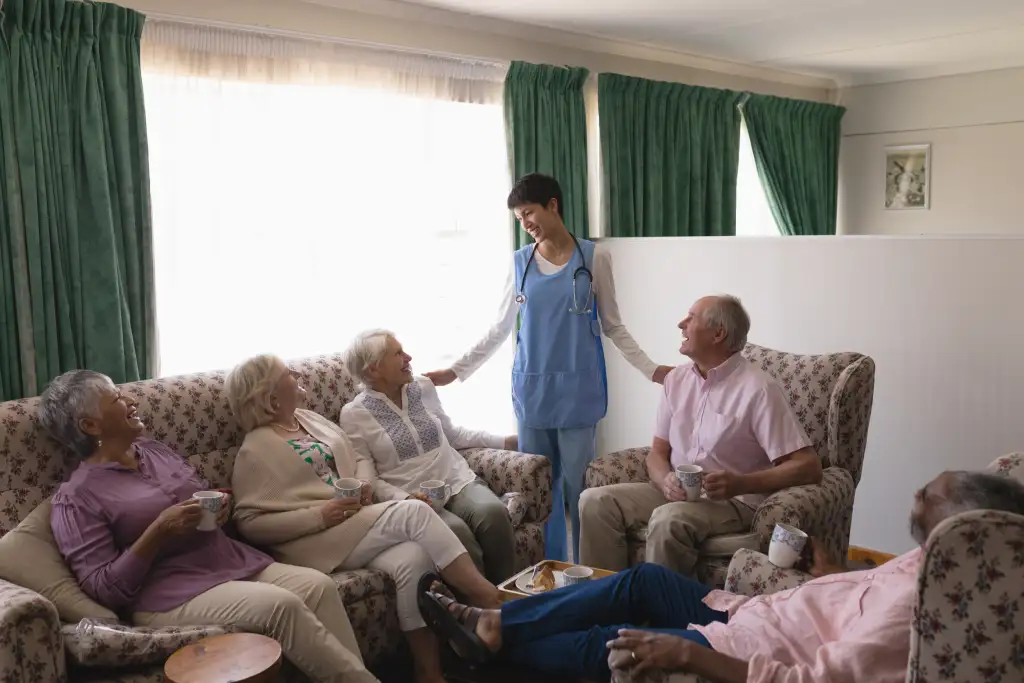
The examples also give you an insight into what actions you should take if a safeguarding concern is raised or if you spot any signs of abuse, harm, and neglect. These examples also help you understand what safeguarding adults means.
So, when you know what safeguarding adults is, only then would you be able to provide for them. Now let’s take a look at the examples of safeguarding adults:
- Report any incident of harm or abuse to the appropriate authorities
- Contacting a GP or nurse when someone shows signs of neglect or weight loss
- Updating a care plan and increasing supervision to reduce the risk of harm
- Ensuring the care staff complete the proper training to identify risk and properly record concerns
- Performing a regular risk assessment to minimise the risk and prevent safeguarding issues
- Listen to the concerns of the adults and take their complaints seriously
Who is responsible for adult safeguarding in care homes?
In care homes, the safeguarding for adults is a collective responsibility of care home staff, support workers, care home managers, local authorities, and safeguarding boards. It’s their duty to create a safe environment for the adult residents in care homes.
Care home staff and support workers
Who is the first one to notice any signs of abuse in a care home resident? The person who will be taking care of the adults in a care home will notice the signs of abuse first. Because they help the care home residents with their daily tasks.
That’s why it’s the responsibility of care home staff and support workers to safeguard adults in care homes.
Care home managers and owners
Then come the care home managers and owners. When a care home staff or support worker will spot any signs of abuse, they will try to solve it on their own. But what happens when they are unable to solve the problem or need more attention?
It’s the duty of the care home managers and owners to provide further attention or get help from the local authorities. Even if any legal actions are required, it’s also the duty of the care home manager and owners.
Local authorities and safeguarding boards
When the care home manager or owner thinks any legal action is necessary, they contact the local authorities or safeguarding boards in their local area.
It’s the duty of local authorities to investigate the concerns and take the necessary legal steps. Safeguarding Adults Boards (SABs) bring together local authorities, the NHS, police and other partners.
How to report safeguarding concerns in a care home?
Reporting safeguarding concerns is the first step toward resolving the issue. By reporting safeguarding issues, you ensure that adults in care homes are protected from risk, harm, abuse, or neglect.
As a care home staff member, if you recognise any signs of abuse, risk, or harm, then report it to your manager. If the care home authority is ignoring signs of abuse, you can report it to the local authority or directly to the Care Quality Commission (CQC).
As a care home manager or owner, if you spot any signs of neglect, risk or aubse then you must take immediate action to protect the adult at risk. Keep a record of the concern, and conduct an initial assessment. If necessary, you can contact the local authority.
The best way to report safeguarding concerns is to respond immediately, investigate the issue and take appropriate steps.
FAQ
What is the role of CQC in safeguarding adults?
Care Quality Commission (CQC) is an independent regulatory body of health and social care. The CQC ensures the services that protect adults from neglect, harm, and abuse. It monitors, inspects, and regulates care providers by ensuring compliance with the Care Act 2014.
What is the first step in safeguarding?
The first step in safeguarding is recognising and responding to a concern. If you notice signs of abuse, neglect, or harm, you must take it seriously and report it immediately. Early reporting helps protect the adult at risk and prevents further harm.
What is the Section 42 safeguarding process?
A Section 42 safeguarding process is when the local authority looks into concerns that an adult with care and support needs may be at risk of abuse or neglect. It also includes the action needed to keep them safe and who should take it.


Conclusion
Safeguarding adults in care homes is the process of keeping an adult safe from harm, abuse and neglect. It is a shared responsibility to protect adult and promote their dignity, rights, and well-being.
From recognising signs of abuse to reporting them, this blog has covered everything you need to know about the safeguarding of adult residents in care homes. When safeguarding is taken seriously, it builds trust, strengthens care standards, and helps adults feel valued and protected at all times.




Level 3 Safeguarding Children and Vulnerable Adults
4.94.9Original price was: £119.00.£29.99Current price is: £29.99.
4516 Students

4 Hours

Level 5 Designated Safeguarding Lead (DSL)
4.94.9Original price was: £199.00.£49.99Current price is: £49.99.
4265 Students
7 Hours

3457 Students
17 Hours










0 responses on "What Does Safeguarding Adults in Care Homes Mean?"