


Our Most Popular Categories
Trending
Health and Social Care
Safeguarding
First Aid
Care Certificate
Food Hygiene
Mental Health
Health and Safety
Animal Care & Training
Business Essentials
Career Bundles
Other Courses

- Yearly Subscription: Unlimited Access to 500+ Courses
- Level 3 Safeguarding Children and Vulnerable Adults
- Level 5 Designated Safeguarding Lead (DSL)
- Care Certificate Course
- Safeguarding Level 4 Training
- Health and Social Care Level 3 Diploma
- Accredited Dog First Aid, CPR and Grooming
- Trauma-Informed Care Training
- Level 3 Safeguarding Children and Vulnerable Adults
- Level 5 Designated Safeguarding Lead (DSL)
- Safeguarding Level 4 Training
- Designated Safeguarding Lead (Level 3 DSL Training)
- Safeguarding Adults Level 3
- Level 2 Safeguarding Children and Vulnerable Adults
- Level 3 Diploma in Nursing Assistant Training
- Safeguarding Adults Training Level 3
- Care Certificate Course
- Mandatory Training For Care Staff and Care Workers
- Level 2 Safeguarding Children and Vulnerable Adults
- Care Planning and Record Keeping in Health and Social Care
- Family Support Worker Training
- Training For Care Workers (Complete Package)
- Care Certificate Standards (1 to 16) + Level 2 And 3 Diploma in Health and Social Care
- Mandatory Training for Care Home Staff Training
- Accredited Dog First Aid, CPR and Grooming
- Pet Nutrition Diploma
- Pet First Aid and CPR Certification
- Pet Care and Psychology Diploma
- Learn to Launch and Grow a Pet Business
- Cat First Aid, CPR and Emergency Care
- Complete Dog Behaviour and Training
- Dog First Aid, CPR & Grooming + Safety for Pet Pros & Owners
- Care Certificate Standards 1-16 (The Complete Bundle)
- Training For Care Workers (Complete Package)
- Care Certificate Standards (1 to 16) + Level 2 And 3 Diploma in Health and Social Care
- Mandatory Training for Care Home Staff Training
- First Aid Essentials 1 to 6 Bundle
- Leadership and Management Courses
- Mandatory and Statutory Trainings For Adult Social Care
- Level 3 Admin PA and Secretarial Diploma Bundle
- Diabetes Awareness Training
- Baby Massage Training
- Employment Law Training
- Learn to Launch and Grow a Pet Business
- Complete Dog Behaviour and Training
- Dog First Aid, CPR & Grooming + Safety for Pet Pros & Owners
- Drugs and Alcohol Awareness Training
- Dog Care, Dog Grooming, and Dog First Aid Course Online

Offer Ends In
Use Code


In the early times, your parents become like your children. So, they need so much care and attention at this time. Without any help, their daily lives become much tougher. This is why knowing your parents’ situation may give them a chance at a new life.
But how do you know the key signs your elderly parents need help? To identify their needs, you have to watch for memory lapses, difficulty with daily tasks, mood changes, safety issues and other key signs.
In this blog, you will be able to know about the key signs, the time when they need help, what to do if an elderly person is struggling to live alone and more.
Why is early intervention important?
When elderly people live in your house, you must be conscious of their health and safety. To keep them safe and secure, Early intervention is essential. Because they may face any problem at any time.
They may face problem in forgetfulness, difficulty managing daily tasks, mood changes, and acting quickly can prevent accidents, health complications, or financial mistakes.
Your early identification can also help you solve or take necessary steps to reduce it. Early intervention also ensures that your parents remain healthier, happier, and more connected to their loved ones for as long as possible.
Signs Your Elderly Parents Need Help
There are so many signs to identify that your elderly parent needs help. But the key sign you have to know to help your elderly parents reduce their pain and give them an easy life. The signs you should follow to help elderly parents are:
Difficulty with Daily Tasks (ADLs)
The elderly may face difficulties with their activities of daily living (ADLs). The activity are including cooking, cleaning, bathing, dressing, or managing medication. They may be a sign of a decreasing level of independence and thus may require support.
When they are unable to cope with the usual daily tasks, they might start to feel they have lost their individuality. In the long run, this may decrease their self-esteem and efforts. Thus, your timely intervention can help eliminate more serious psychological problems, health or safety hazards.
Frequent Falls
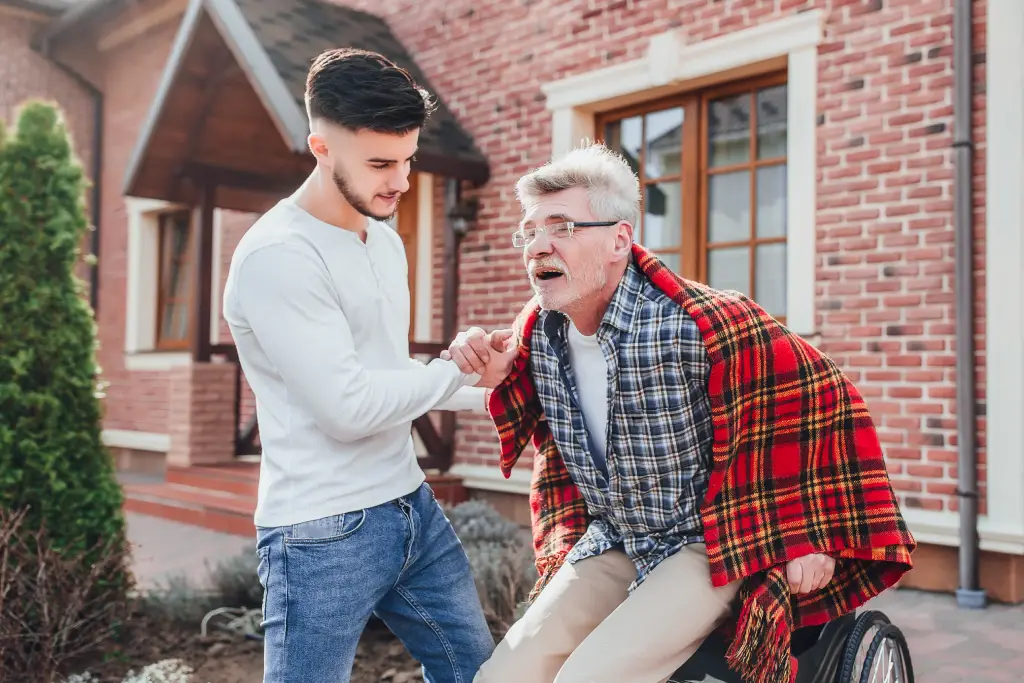
You have to be very careful about it in the event you observe that your elderly family members might experience difficulties while walking. They might experience recurrent falls or balance problems, and the recurring falls might be severe red flags that cannot be overlooked.
This can result in falls due to the weakness of muscles, low vision, drug side effects, or underlying diseases. Even minor falls might result in fractures or permanent mobility issues.
Poor Personal Hygiene
When you find that people cannot support their normal hygiene, like cleaning, bathing, and maintaining other hygiene issues, it implies that they lead poor personal hygiene. So, they may need assistance. Inability to groom, bathe or take care of his or her mouth may be a sign of physical or mental disabilities.
Weight Loss or Poor Nutrition
When you notice your elderly relatives suffer sudden weight loss, they lose appetite, or survive on fried or frozen food, it may be a signal that they can no longer cook or that they are sick.
You may find rotten food, bare cupboards, or drying up. Malnutrition undermines the immune system and puts individuals at risk of falls. Meal services or nutritional support could be of great help.
Mobility loss
The inability to walk, climb stairs or rise from a chair means lack of strength and balance. They can prevent themselves from using some rooms in the house or even stay indoors. Isolation and falls are caused by mobility loss. Confidence and safety can be regained through physical therapy, assistive devices or simple home modifications.
Depressed
The other most important signs are depression, continuous sadness, lack of interest in hobbies, and sleeping difficulties. Depression is not a natural ageing process, and it must be given serious attention. Professional assistance and emotional support should make life significantly better.
Transportation Problems
Losing the way in well-known destinations, slow response time, or small car accidents are the warnings of unsuitable driving. Road safety can be affected by vision deterioration or intellectual impairment. They can also not drive because of fear or confusion. The use of alternative means of transportation may help to remain independent and stay safe.
What to do when an elderly parent shows signs of dementia?
If you see an elderly face some challenges like dementia, you have to take the following steps to ensure their overall health and safety:
Observe and Document Symptoms
By observing their challenge site, you should note all of their changes. The changes may include memory loss, behavioural changes, confusion in any silly matter, or difficulty with daily tasks, to provide accurate information to healthcare professionals.

Consult a Doctor
After identifying and assessing their problem, you must consult with a doctor for their better treatment. You should create a schedule for a medical evaluation to rule out other causes and give them a proper dementia diagnosis.
Depending on their wider health needs, a doctor may also recommend planned treatment or elective care where appropriate.
Ensure Safety at Home
For ensuring their safety at home, you should remove hazardous materials, install grab bars, secure medications, and consider safety devices to prevent accidents.
Encourage Mental & Physical Activities
It is the most important issue to keep them overall healthy. To keep overall stability, you should engage them in cognitive exercises, hobbies, and light physical activity to stimulate the brain.
Provide Emotional Support
During the mental or physical unstability emotional support is very important to each and every person. To support them, you have to be patient, a good listener, and offer reassurance; avoid arguments or confrontation.
Plan for Care
If you think that you are failing or are unable to take care of them, you can consider in-home care. You can also consider adult day programs or assisted living options as the disease progresses.
If a move into a care home becomes necessary, a personalised care plan can help ensure their needs are clearly understood. You can read more on what is a care plan in a care home to understand how this works.
For families supporting someone with dementia, Admiral Nurses may also provide specialist dementia support. An overview of how much do admiral nurses cost can give you a better understanding of the cost before you take support from them.
Legal and Financial Planning
If you see any red flags in your elderly parents’ behaviour, first prepare advance directives. You can also consult with an attorney to manage legal issues and manage their finances proactively, while they can participate.
Monitor Medications and Health
After considering their overall health issues, you should ensure that they take prescribed medications correctly and keep regular medical appointments.
By maintaining the above steps, you can reduce the harm happening. You may also be able to remove their dementia.
Emotional and Behavioural Signs Your Elderly Parent May Need Help
As our parents grow older, their emotional and behavioural signs may change day by day. During this stage, they may need extra care, extra support. The physical signs are visible, but emotional and behavioural signs are invisible, so you must identify those emotional and behavioural imbalance signs to keep them mentally healthy.
The common emotional and behavioural signs that you have to identify are:
- Withdrawal from Social Activities
- Persistent Sadness or Depression
- Mood Swings and Irritability
- Anxiety or Excessive Worry
- Confusion or Disorientation
- Neglecting Personal Hygiene
- Changes in Eating or Sleeping Patterns
- Loss of Interest in Hobbies
- Suspicion or Paranoia.
When Should an Elderly Parent Stop Living Alone?
In those time are so hard time for an elderly person who faces challenges to live a normal life. When you see that your elderly face problem to lead a normal life, you should take special care of them. If you see the challenges that your elderly face, which are given below, then you should not keep them alone and lead a life.
1. When daily tasks start to feel like too much
You should pay close attention to the little everyday things. When you notice that they think cooking, cleaning, bathing, or managing money is a very tough task, you don’t think that the problem is happening because of their old age.
The problems usually mean they’re struggling more than they’re telling you. If you ignore those small signs now, they can turn into bigger problems later. So, you should pay close attention to them.
2. When memory problems become unsafe
You shouldn’t panic over occasional forgetfulness because it may happen to everyone. But if you see they face problems in repetitive confusion, missed medications, getting lost in familiar places, you need to take that seriously. The small problem may become a future problem like Alzheimer’s disease, so those signs you shouldn’t ignore.
3. When falls or health emergencies increase
If you’re noticing frequent falls, balance problems, or other health unbalacing problem, or more trips to the emergency room, you shouldn’t assume it’s just bad luck. When medical checkups become more common, it is a sign that you should give them extra support.
4. When medications aren’t handled correctly
You should never overlook medication mistakes. Taking the wrong dose, skipping pills, or mixing prescriptions can quickly become life-threatening. If you notice confusion around pill bottles or refills, you shouldn’t wait for a serious incident to happen. The signs indicate that they should not live alone. They need supervision or structured help.
5. When loneliness starts affecting them
You should also look beyond physical health. If they rarely leave the house, stop meeting with their friends, reject any enjoyable program and are uninterested in all matters, you shouldn’t dismiss that as normal ageing.
In that situation, isolation may greatly harm both their mental and physical health. Even if they seem capable on the outside, you shouldn’t leave them alone because emotional well-being matters more. You should try to give them more company.
What to do if an elderly person is struggling to live alone
You need to be concerned about the health of your older parent when you begin to feel that they are not living comfortably on their own. It is not about being overly reactive; it is about being caring. The steps to be observed are:
You Should Start an Honest Conversation
You must sit down and talk to them, but not roughly. Don’t accuse or criticise. You can also use this resource on the guide to holistic care to help you approach the conversation in a more informed and supportive way.
Good communication should also involve the wider family and relevant professionals when appropriate. For what to know about triangle of care, you can explore how collaboration between the person receiving care, their carers and professionals can support better communication and care.
Rather than making the statement, This is something you cannot do on your own, make the statement, such as I have noticed that you have been tired recently.
You Should Look at Their Daily Routine
You must also silently watch them to see whether they are handling the easy tasks, such as cooking, bathing, taking medicine, or paying bills. Is there any unpaid bill accumulating? Is the fridge empty? Are they skipping meals?
You Should Give More of Your Time
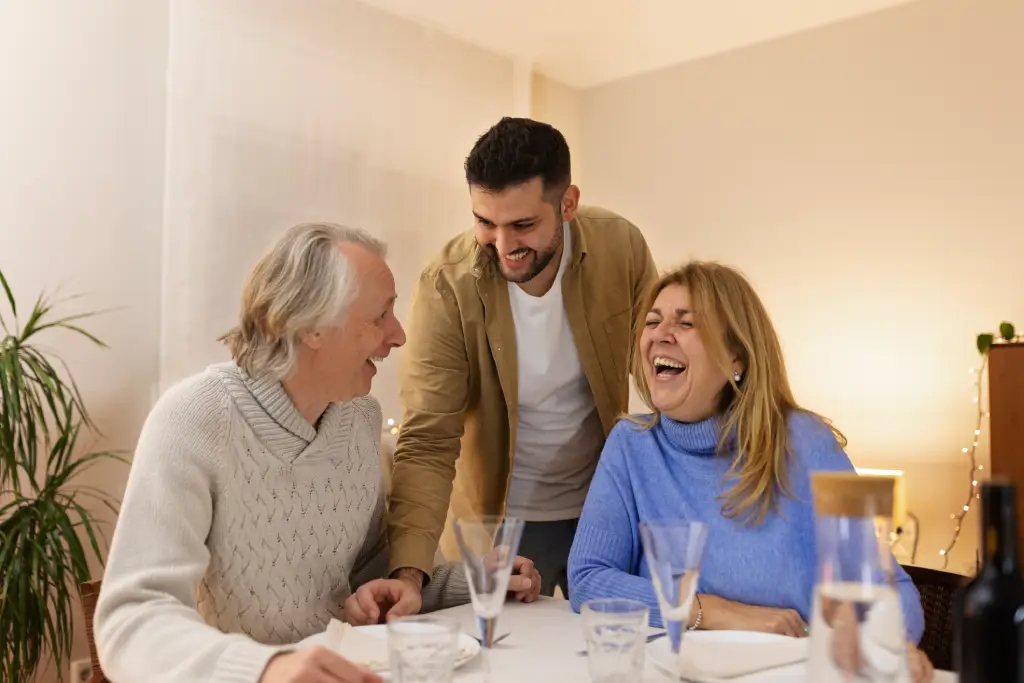
You need to visit or call frequently. Even repetitive check-ins have the ability to alleviate loneliness.
Not only physically, but emotionally, many elderly parents have difficulties. They can have confidence and reassurance in you.
You Should Help with Household Work
You need to intervene when things are getting out of hand, such as cleaning, laundry, shopping, or arranging medicines.
An untidy or disorderly house may contribute to the risk of falls and stress. A small assistance will enable them to enjoy a safer and more comfortable space.
You Should Consider Professional Support
In the case of an increase in their needs, home care services, meal delivery, or medical assistance should be considered. If their needs become more complex or they are approaching the end of life, families can also benefit from advice on end of life care at home what to expect.
They may find it hard to accept external assistance; therefore, present the concept very gradually and humbly. The idea is to make them independent, not to make them dependent.
You Should Make the Home Safer
You ought to look at the risk of falls, such as loose carpets, low light or slippery showers. Accidents can be prevented by the installation of grab bars or handrails.
You Should Watch for Emotional and Cognitive Changes
You should pay attention to memory loss, confusion, mood swings, or withdrawal from social activities.
If something feels different, don’t ignore it. Early medical advice can prevent bigger problems later.
Above all, you need to be patient with everything. When your elderly parent refuses to be assisted, he or she is afraid of losing independence. However, when the support is provided with love and respect, it is less of control and more of care.
Frequently Asked Questions
How do I know if my elderly parent needs professional care?
When you notice that your parent is struggling with daily activities like bathing, eating, taking medication, or managing finances, it can understand that they need special care. Their frequent falls, memory loss, or noticeable personality changes also indicate that they need professional care.
How to convince an elderly parent they need help?
To convince them, you can start with a calm and respectful conversation, focusing on their safety and comfort rather than their limitations. You can also use specific examples instead of general criticism. Your early assistant may make it easier to resolve their problem.
What are the signs that an elderly person is deteriorating?
In cases where people didn’t need any help, you can assist them by listening to their concerns and acknowledging their fear of losing independence. You can also offer small support first, cleaning, or other assistance. Your patience and consistency may work better than pressure.
How to help elderly parents who don’t want help?
In cases where people didn’t need any help, you can assist them by listening to their concerns and acknowledging their fear of losing independence. You can also offer small support first, cleaning, or other assistance. Your patience and consistency may work better than pressure.
Is it normal to resent caring for elderly parents?
Yes, it is quite natural to be overwhelmed, frustrated or even resentful at some moments. It might be physically and emotionally taxing to take care of someone without assistance. Being able to understand your emotions and not feel guilty, and get some help when it is necessary, is a good move both to you and your parent.
Final Thoughts
Caring for elderly parents is one of the sweetest ways to engage with them. It is not only a responsibility, but it is also about their staying healthy. Here, the sad truth is, ageing comes with challenges. So, you should be aware of their physical condition and signs of ageing.
Some clear signs your elderly parents need help include difficulty managing everyday tasks, forgetfulness, confusion, frequent falls, weight loss, neglecting personal hygiene, and being unsociable. All of those changes may affect their safety or happiness. This is why you should give them so compassionate care and gentle reminders.
Helping doesn’t mean that you are taking their independence. It means they’re not alone. Even your small cooperation, like checking in, organising their home, or arranging professional care, can give them comfort and security. If you give them patience, love, and understanding, they feel valued, safe, and truly cared for during this stage of their lives.




Level 3 Safeguarding Children and Vulnerable Adults
4.94.9Original price was: £119.00.£29.99Current price is: £29.99.
4512 Students

4 Hours

Level 5 Designated Safeguarding Lead (DSL)
4.94.9Original price was: £199.00.£49.99Current price is: £49.99.
4261 Students
7 Hours
-
3450 Students
17 Hours






0 responses on "Signs Your Elderly Parents Need Help: What You Should Notice"