


Our Most Popular Categories
Trending
Health and Social Care
Safeguarding
First Aid
Care Certificate
Food Hygiene
Mental Health
Health and Safety
Animal Care & Training
Business Essentials
Career Bundles
Other Courses

- Yearly Subscription: Unlimited Access to 500+ Courses
- Level 3 Safeguarding Children and Vulnerable Adults
- Level 5 Designated Safeguarding Lead (DSL)
- Care Certificate Course
- Safeguarding Level 4 Training
- Health and Social Care Level 3 Diploma
- Accredited Dog First Aid, CPR and Grooming
- Trauma-Informed Care Training
- Level 3 Safeguarding Children and Vulnerable Adults
- Level 5 Designated Safeguarding Lead (DSL)
- Safeguarding Level 4 Training
- Designated Safeguarding Lead (Level 3 DSL Training)
- Safeguarding Adults Level 3
- Level 2 Safeguarding Children and Vulnerable Adults
- Level 3 Diploma in Nursing Assistant Training
- Safeguarding Adults Training Level 3
- Care Certificate Course
- Mandatory Training For Care Staff and Care Workers
- Level 2 Safeguarding Children and Vulnerable Adults
- Care Planning and Record Keeping in Health and Social Care
- Family Support Worker Training
- Training For Care Workers (Complete Package)
- Care Certificate Standards (1 to 16) + Level 2 And 3 Diploma in Health and Social Care
- Mandatory Training for Care Home Staff Training
- Accredited Dog First Aid, CPR and Grooming
- Pet Nutrition Diploma
- Pet First Aid and CPR Certification
- Pet Care and Psychology Diploma
- Learn to Launch and Grow a Pet Business
- Cat First Aid, CPR and Emergency Care
- Complete Dog Behaviour and Training
- Dog First Aid, CPR & Grooming + Safety for Pet Pros & Owners
- Care Certificate Standards 1-16 (The Complete Bundle)
- Training For Care Workers (Complete Package)
- Care Certificate Standards (1 to 16) + Level 2 And 3 Diploma in Health and Social Care
- Mandatory Training for Care Home Staff Training
- First Aid Essentials 1 to 6 Bundle
- Leadership and Management Courses
- Mandatory and Statutory Trainings For Adult Social Care
- Level 3 Admin PA and Secretarial Diploma Bundle
- Diabetes Awareness Training
- Baby Massage Training
- Employment Law Training
- Learn to Launch and Grow a Pet Business
- Complete Dog Behaviour and Training
- Dog First Aid, CPR & Grooming + Safety for Pet Pros & Owners
- Drugs and Alcohol Awareness Training
- Dog Care, Dog Grooming, and Dog First Aid Course Online

Offer Ends In
Use Code


Good care is underpinned by values. It is not what you do but how you do things. In the UK, those values are reflected in the 7 principles skills in care. You have probably come across the question, what are the 7 principles of Skills for Care?
These 7 principles are the basis of good care practice in UK. They inform the manner in which care workers approach the treatment of individuals, decision making, and provide support in a safe, respectful and person-centred manner.
We are going to divide all of it down in this guide, including what health and social care is and the 7 core principles, their importance, and their application in practical care environments.
What is Health and Social Care?
It is time to clear up what we mean by health and social care before delving into the principles. The term health and social care is a generalised term that is used to refer to services that help individuals in their physical and mental well-being, and life.
Health care is the set of services offered by medical practitioners like doctors, nurses, paramedics and therapists which aim at treating, managing and diagnosing illness and injury. This incorporates hospitals, GP surgeries, clinics, and community health services.
On the other hand, social care is the service aimed at assisting individuals in their day-to-day lives, keeping them independent and enhancing their quality of life. This consists of care homes, home care services, supported living, day centres, and personal assistants to help people with disabilities.
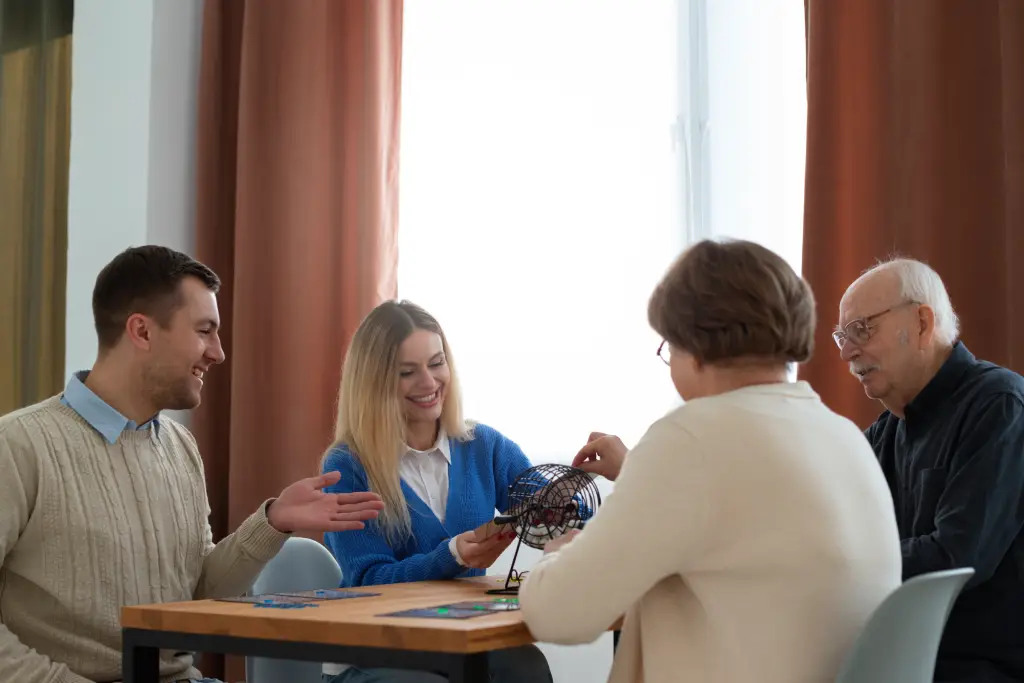
In practice, these two areas overlap significantly. Medical staff members are becoming more aware of the role of social aspects in health outcomes, whereas social care experts must learn about health disorders, drugs, and clinical observations.
What Are the 7 Principles Skills for Care?
The 7 principles of Skills for Care are a set of core values that are used to determine how care should be provided in the UK. Although the wording might be slightly different in various organisations, the meaning is similar.
The 7 Principles Are:
- Promoting independence and enablement
- Working in a person-centred way
- Treating people with dignity and respect
- Maintaining privacy and confidentiality
- Protecting individuals from abuse and harm
- Effective communication
- Promoting equality and diversity
These values are what guarantee that care is not merely physical needs, but also emotional wellbeing, personal choice, and human rights.


Explanation of the 7 Core Principles of Health and Social Care
Let’s look at each principle in more detail and understand how they apply in real care settings.
1. Independence and Enablement
This value is concerned with helping individuals to do all they can on their own instead of doing everything on their behalf.
Freedom is not the same for all. To one individual, it can be taking a walk to the bathroom without any assistance. To one, it could be the decision on what to wear or even when to have breakfast. The rule is that of maximising as much as the individual is enabled to be independent.
In practice, this means:
- Motivating individuals to work out on their own, despite a longer time.
- Offering aids and adjustments to allow independence.
- Concentrating on what people can do, as opposed to what they cannot do.
- Avoiding the temptation to do it their way because it will be faster.
- Creating objectives that foster abilities and self-belief.
- Appreciating little successes and improvements.
2. Person-Centred Care
Person-centred care implies accepting that the person you are helping is a person with their own preferences, history, relationships and needs, not a list of care activities to be accomplished.
In practice, this means:
- Getting to know the people you support as individuals
- Knowing their life story, interests, and things that are important to them.
- Engaging individuals in making decisions on their care.
- Care should be adapted to the individual and not the other way around.
- Being able to respect the decisions of people even though you would do otherwise.
- Understanding that what was effective yesterday may not work today.
3. Dignity and Respect
Dignity in care refers to the way people are treated as worthy, useful beings who must be treated with courtesy, goodwill and consideration all the time.
Respect is an act that recognises the rights, decisions, and independence of people, even in situations where they have made decisions that you do not agree with.
In practice, this means:
- Always knock before entering someone’s room.
- Covering individuals when attending to them.
- Always talking about a person without addressing him/her.
- Addressing people with their desired names and titles.
- Addressing people, not down at them or about them.
- Being professional even in challenging circumstances.
- Not in a hurry to get people moving or make them feel like they are a burden.
4. Privacy and Confidentiality
Privacy entails observing the right of people to have personal space, personal information and control over their own bodies.
Confidentiality refers to the absence of information concerning the individuals you assist from any other person who may not have a genuine reason to know.
In practice, this means:
- Shutting down doors and curtains when attending to personal care.
- Not speaking about the personal information of people in public places.
- Not providing information about service users on social media.
- Waiting and knocking before entering personal areas.
- Storing records securely
- Sharing information with other professionals only when needed to care.
- Seeking consent before imparting information to the family members.
5. Safeguarding
Safeguarding refers to acting cautiously to identify abuse or neglect indicators and intervening to save vulnerable individuals.
The abuse may be of a variety, such as physical abuse, emotional abuse, sexual abuse, financial abuse, neglect or institutional abuse. Care workers can easily be the initial individuals. Also, if your role also touches education or work with children, what changed in KCSIE 2025 covers the most recent safeguarding updates worth knowing.
In practice, this means:
- Knowing what various forms of abuse appear like.
- The warning signs, such as unexplained injuries or behaviour changes
- Being familiar with the means of reporting safeguarding concerns.
- Always pay attention to concerns, though you may not know.
- Knowing your role under the safeguarding legislation.
- Setting up conditions under which abuse is less prone to occur.
- Reporting bad practice when you witness it, even by your colleagues.
6. Effective Communication
Communication is not only about the exchange of information but also about the establishment of relationships, the comprehension of needs, and the feeling among people that they are heard and valued.
Effective communication implies that you need to change your communication style to meet the needs, preferences and abilities of individuals.
In practice, this means:
- Active listening rather than waiting to talk.
- Employing simple, non-jargon language.
- Communication with people with dementia, sensory impairments, or learning disabilities.
- Listening to non-verbal communication- body language, facial expressions, tone.
- Taking time to listen to people and not being in a hurry.
- Confirming knowledge instead of making assumptions.
- Using communication aids where appropriate, like pictures, symbols, technology.
7. Equality and Diversity
This principle refers to the acknowledgement of the diversity of people, like their cultures and religions, backgrounds and identities, experiences, and to the treatment of everyone equally.
Equality does not mean equal treatment, but it does mean equal treatment, and this is not invariably the same treatment but fair treatment, and this frequently involves treating people unequally in order to satisfy their special needs.
In practice, this means:
- Knowledge and admiration of cultural and religious beliefs regarding food, dress, prayer, etc.
- Thinking about how to fight discrimination when you face it.
- Making yourself conscious of your unconscious biases.
- The care plans must bear individual cultural and religious considerations.
- Being able to adjust your practice to diversity.
- Always avoid making assumptions on the basis of stereotypes.
- Supporting individuals who are discriminated against.
Why Are the 7 Principles Important in Care Settings?
The 7 principles are not merely theoretical concepts, they are vital in providing quality care.
Here’s why they matter:
Legal and Regulatory Compliance
A lot of these principles are contained in the Care Act 2014, Human Rights Act 1998, Equality Act 2010, and so on. These are the legal requirements of care providers.
Care Quality Commission (CQC) evaluates care services based on the standards that explicitly represent these principles. Many of these principles also sit within the wider CSTF mandatory training framework that care providers are expected to deliver. Those services that do not portray dignity, respect, person-centred care, and safeguarding receive low ratings of inspection and regulation.
Quality of Care
Care which incorporates these principles is just better care. Individuals treated with dignity, respect, and person-centred practices report improved wellbeing, longer-lasting independence, improved health outcomes, and are more satisfied.
Conversely, care which disregards these principles, such as task-oriented, hurried, impersonal care, results in bad outcomes, even when simple tasks are performed.

Safeguarding Vulnerable People
This principle establishes supportive settings. Vulnerable people are much safer when care workers truly respect the dignity of people, observe privacy, and maintain good communication, as well as keep their eyes open to abuse.
Violation of these core values of privacy, dignity, concerns neglected, etc., is a common serious care breakdown.
Professional Standards and Career Development
These principles are the sign of a professional care worker to understand and applies them. A look at understand your role as a care worker is a good starting point if you’re newer to the sector and want to see how these principles translate into day-to-day responsibilities.
This is because, as you advance your career in care, be it in senior care, supervisory roles or registered manager roles, there is an increased likelihood that you will model and advocate these principles.
Building Trust and Relationships
Care is fundamentally relational. The principles establish the basis of trusting and respectful relationships between people they support and care workers.
By being trusted, when one trusts you because you have always treated them with dignity, respected their privacy, listened to them, and kept them safe, they will be more receptive to support, express concerns, and positively turn to their care.
Challenges in Applying the 7 Principles in Care
The principles are very easy to understand but in reality, they are not always easy to put into practice. Let’s be honest about the obstacles:
Time Pressures
Care settings are often understaffed and time-pressured. When you’re running late, it’s tempting to do things for people rather than supporting them to do things themselves. For example, it is faster to dress someone rather than wait as he or she takes time to button his or her own shirt.
But time pressure is never an acceptable excuse for abandoning principles. The solution is supporting proper staffing and achievable care schedules, and not dignity and person-centred care.
Conflicting Priorities
Sometimes principles can seem to conflict. For example, the right of a person to make personal decisions may come into conflict with your responsibility to care about their safety.
These dilemmas should be carefully handled by consulting with colleagues and managers, engaging the person in the decision-making process as much as possible, and documenting your rationale and reasoning.
Cultural Differences and Communication Barriers
The idea of respecting diversity is easy to grasp but may be tricky to apply. Various cultures have varying standards concerning personal care, family participation, end-of-life care, and numerous other care standards.
Effective communication is sometimes difficult due to language barriers. You should also put more effort into it, employing interpreters, communication aids, learning key phrases and being patient.

Personal Attitudes and Unconscious Bias
Each of us has unconscious biases and assumptions. These are all things that you need to recognise and challenge in yourself through honest self-reflection, readiness to learn and change, manage to get feedback about yourself both on the job and with the people you serve and through continuous training and development.
FAQs
What are the NHS principles?
The NHS has its own set of guiding principles focused on providing comprehensive, high-quality healthcare based on need, not ability to pay. Their main principles are patient-centred care, compassion, and accountability to taxpayers, aiming to improve lives, ensure equality, and provide safe services.
What are the 7 C’s of healthcare?
The 7 Cs are values that are frequently applied in healthcare, which are:
1. Conversation
2. Context
3. Curiosity
4. Complexity
5. Challenge
6. Caution
7. Care
Are these principles part of the Care Certificate?
Yes, these values are directly interconnected to Care Certificate standards. During the care certificate training, topics like dignity, communication, safeguarding and person-centred care are covered.
What are the 7 P’s of nursing?
The 7 P’s of nursing may include:
1. Patient-centred care
2. Professionalism
3. Partnership
4. Prevention
5. Protection
6. Promotion
7. Performance
Are the principles the same across all care settings?
Yes, these values are directly interconnected to Care Certificate standards. During the care certificate training, topics like dignity, communication, safeguarding and person-centred care are covered. They also overlap with mandatory training more broadly required across the sector.
Final Thoughts
Understanding what are the 7 principles of Skills for Care is essential for anyone working in health and social care. These values extend beyond routine activities, they influence the way care is provided, the treatment of people, and the establishment of safe environments.
The care workers can offer care that makes a difference by concentrating on dignity, compassion, inclusion, independence, communication, rights and equality.
Regardless of your experience as a learner or a professional, these principles can be applied in practice on a daily basis to enable you to provide high-quality, person-centred care and develop meaningful relationships with the people you support. If you’re planning your next step in training, advice on top 10 carer training courses UK for 2025 is a good place to start.




Level 3 Safeguarding Children and Vulnerable Adults
4.94.9Original price was: £119.00.£29.99Current price is: £29.99.
4499 Students

4 Hours

Level 5 Designated Safeguarding Lead (DSL)
4.94.9Original price was: £199.00.£49.99Current price is: £49.99.
4253 Students
7 Hours
-
3448 Students
17 Hours









0 responses on "What Are the 7 Principles Skills for Care?"