


Our Most Popular Categories
Trending
Health and Social Care
Safeguarding
First Aid
Care Certificate
Food Hygiene
Mental Health
Health and Safety
Animal Care & Training
Business Essentials
Career Bundles
Other Courses

- Yearly Subscription: Unlimited Access to 500+ Courses
- Level 3 Safeguarding Children and Vulnerable Adults
- Level 5 Designated Safeguarding Lead (DSL)
- Care Certificate Course
- Safeguarding Level 4 Training
- Health and Social Care Level 3 Diploma
- Accredited Dog First Aid, CPR and Grooming
- Trauma-Informed Care Training
- Level 3 Safeguarding Children and Vulnerable Adults
- Level 5 Designated Safeguarding Lead (DSL)
- Safeguarding Level 4 Training
- Designated Safeguarding Lead (Level 3 DSL Training)
- Safeguarding Adults Level 3
- Level 2 Safeguarding Children and Vulnerable Adults
- Level 3 Diploma in Nursing Assistant Training
- Safeguarding Adults Training Level 3
- Care Certificate Course
- Mandatory Training For Care Staff and Care Workers
- Level 2 Safeguarding Children and Vulnerable Adults
- Care Planning and Record Keeping in Health and Social Care
- Family Support Worker Training
- Training For Care Workers (Complete Package)
- Care Certificate Standards (1 to 16) + Level 2 And 3 Diploma in Health and Social Care
- Mandatory Training for Care Home Staff Training
- Accredited Dog First Aid, CPR and Grooming
- Pet Nutrition Diploma
- Pet First Aid and CPR Certification
- Pet Care and Psychology Diploma
- Learn to Launch and Grow a Pet Business
- Cat First Aid, CPR and Emergency Care
- Complete Dog Behaviour and Training
- Dog First Aid, CPR & Grooming + Safety for Pet Pros & Owners
- Care Certificate Standards 1-16 (The Complete Bundle)
- Training For Care Workers (Complete Package)
- Care Certificate Standards (1 to 16) + Level 2 And 3 Diploma in Health and Social Care
- Mandatory Training for Care Home Staff Training
- First Aid Essentials 1 to 6 Bundle
- Leadership and Management Courses
- Mandatory and Statutory Trainings For Adult Social Care
- Level 3 Admin PA and Secretarial Diploma Bundle
- Diabetes Awareness Training
- Baby Massage Training
- Employment Law Training
- Learn to Launch and Grow a Pet Business
- Complete Dog Behaviour and Training
- Dog First Aid, CPR & Grooming + Safety for Pet Pros & Owners
- Drugs and Alcohol Awareness Training
- Dog Care, Dog Grooming, and Dog First Aid Course Online

Offer Ends In
Use Code


Nearly a quarter (22%) of the UK workforce has never received any first aid training. This leaves major health and safety threats in workplaces. So, what are the three aims of first aid? Well, the primary aim is to respond appropriately and provide aid for injuries.
First aid training helps you learn life-saving skills and ensures the safety of work environments.
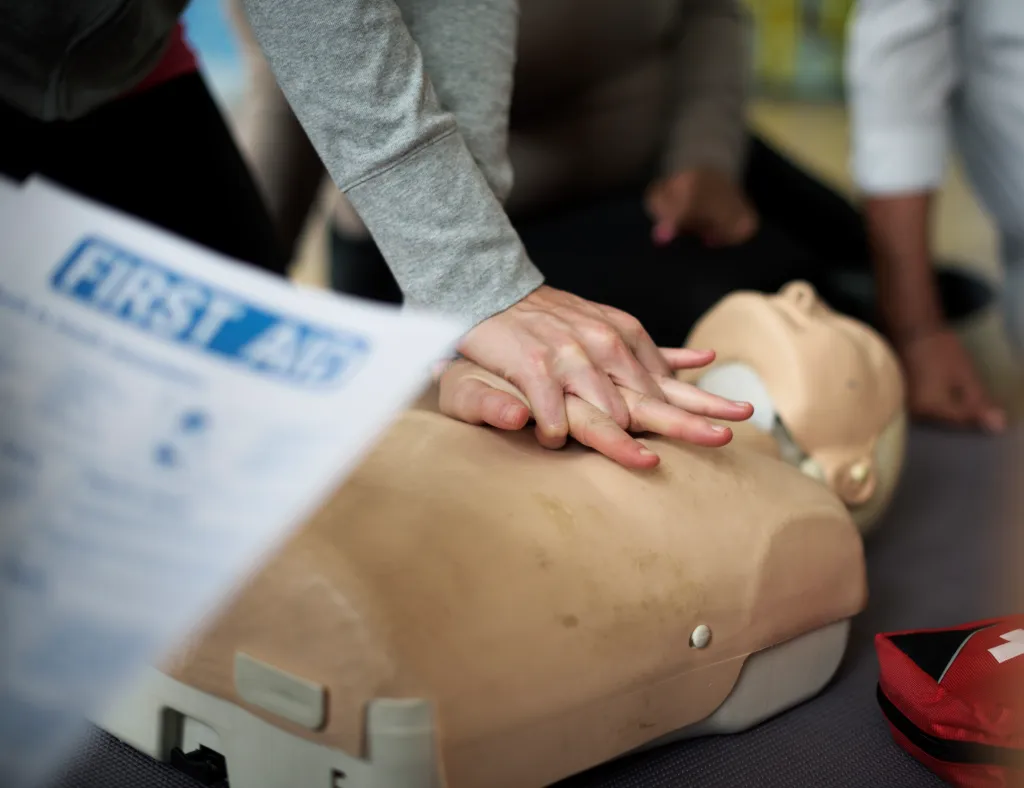
Here, you will find valuable insights and gain a comprehensive understanding of first aid. You will learn about the three aims and three Ps of first aid. It will also help you respond effectively in workplace emergencies. Let’s take a look!
What are the Three Aims of First Aid?
The three aims of first aid procedures are known as the “Three Ps”. These are:
- Preserve life
- Prevent further injury
- Promote recovery
Preserve Life
The key objective of first aid skills is to keep someone alive. This includes basic life support (BLS), checking on their breathing, stopping any severe flow of blood, and giving CPR if necessary. Another part is ensuring the safety of the injured person and the first aider.
Prevent Further Injury
Preventing them from getting injured is the second primary aim of first aid. This includes:
- Taking steps like keeping the victim still to stop further injury
- Cooling burns to stop deeper damage and
- Immobilising fractured bones to stop further damage
- Keeping the individual safe and out of harm’s way
- Providing first aid kit essentials for emergencies
Promote Recovery
The last objective of first aid is to help initiate the healing process. It entails keeping an eye on their health and standing by to offer assistance until a trained medical professional arrives. This also entails:
- Giving comfort and reassurance to the individual
- Cleaning and treating wounds Using ice to minimise swelling and
- Making sure the patient is comfortable and warm
Why is First Aid important?
First aid’s main goal is to save lives. It is a crucial skill that helps manage effective emergency response. First aid treatment is important for several reasons. It:
- Saves live
- Provides comfort
- Ensures safety
- Reduce risks
- Improves outcome
Saves lives
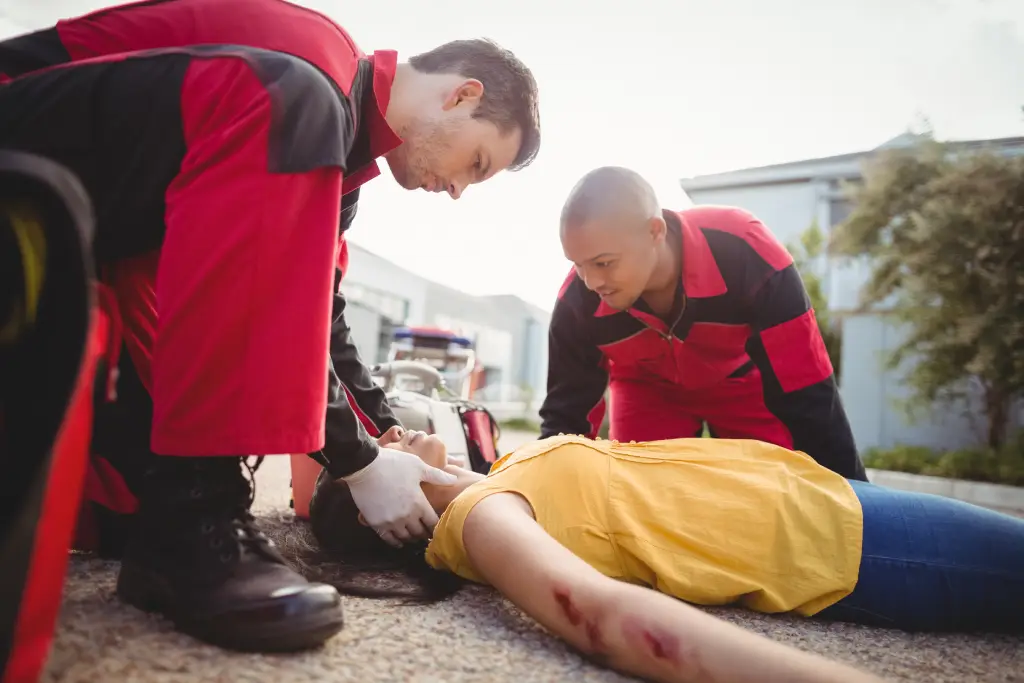
In life-threatening conditions, “save lives” refers to acting quickly. Early response is a critical role until healthcare professionals arrive. This includes:
- Treating burn care and allergic responses
- Opening airways to prevent choking
- Halting external bleeding and
- Performing CPR for heart rate
Ensures safety
Ensuring safety in first aid techniques involves:
- Creating a secure environment
- Wearing safeguards
- Adhering to protocols
- Maintaining composure to avoid panic
- Keeping accurate records in first aid accident books
- Ensuring a fully supplied first aid kit and
- Effectively coordinating with emergency medical services
Taking these steps makes it possible to ensure injured persons’ safety smoothly.
Reduce risks
Detecting risk assessment while taking action to reduce them is an essential part of risk management. This includes:
- Determining the risks
- Putting safety precautions in place
- Supplying gear for protection and
- Educating the public
Regular monitoring and emergency preparation are also important in critical situations. Creating a safety culture helps to reduce harm from incidents.
Provides comfort
In emergency situations, first aid comfort measures may reduce suffering and worry. Bandaging wounds or minor injuries can relieve physical discomfort. Communicating gently and comfortingly can also help to relieve emotional tension.
First aid addresses both physical, emotional, and psychological requirements. It also makes the injured person feel cared for and ensures faster healing. You can find out more about psychological first aid and provide comfort and safety.
Improves outcomes
By providing comprehensive care, first aid helps stabilise a person’s condition until healthcare professionals arrive. It lessens the chance of long-term harm and keeps minor wounds from worsening. Immediate first-aid care can help relieve pain and save lives. First aid improves overall health outcomes and boosts chances of survival.
Explore our First Aid Courses to ensure a safer environment around you.
Examples of applying the three aims of first aid
First aid promotes healing, saves lives, and prevents further injuries. To safeguard life, stop excessive blood flow and provide CPR if necessary. Move the person with fractured bones to safety and keep them still to prevent further bad injuries.
Clean and cover wounds to aid in healing and comfort the patient until assistance comes.
How you can save a life?
Calling for medical care immediately is the first step in saving a life in an emergency situation. Ensure the environment is safe before examining the person’s reactivity, breathing, and pulse.
Start CPR with chest compressions and rescue agonal breathing if the victim is not breathing. Direct pressure should be applied to any severe wounds to control severe bleeding. While looking for emergency assistance, keep the victim warm and comfortable. Reassuring them to lessen their anxiety can help a lot.
Always remember that every step is essential to stabilise the individual and increase survival rates.


Frequently Asked Questions (FAQs)
What are the three key points of first aid?
The three key points of first aid are:
✔ Assessing the situation
✔ Providing immediate care
✔ Seeking professional help
What is the most important rule for first aid?
The most important rule for first aid is to check the area for danger to ensure your own safety before helping anyone else.
What are the three parts of first aid?
Three main parts of first aid are:
✔ Assessment: Checking the situation and the injured person
✔ Immediate care: Treating wounds and providing CPR if necessary
✔ Referral: Calling for medical assistance
What are three basic first aid skills?
Three basic first aid skills are performing cardiopulmonary resuscitation (CPR), controlling severe bleeding, and managing choking.
Conclusion
What are the three aims of first aid? Its three primary objectives are saving lives, preventing further injury, and promoting treatment. In conclusion, first aid is a life saving skill to properly manage emergency situations. The aims are guided by the three Ps: Preserve life, Prevent further injury, and Promote recovery.
One can aid by assessing the situation, giving prompt medical treatment, and contacting medical emergency services. Understanding and applying these fundamental concepts can make a significant impact in emergency situations.




Level 3 Safeguarding Children and Vulnerable Adults
4.94.9Original price was: £119.00.£29.99Current price is: £29.99.
4508 Students

4 Hours

Level 5 Designated Safeguarding Lead (DSL)
4.94.9Original price was: £199.00.£49.99Current price is: £49.99.
4260 Students
7 Hours
-
3450 Students
17 Hours









0 responses on "What Are The Three Aims Of First Aid? Learn About the Essentials"