


Our Most Popular Categories
Trending
Health and Social Care
Safeguarding
First Aid
Care Certificate
Food Hygiene
Mental Health
Health and Safety
Animal Care & Training
Business Essentials
Career Bundles
Other Courses

- Yearly Subscription: Unlimited Access to 500+ Courses
- Level 3 Safeguarding Children and Vulnerable Adults
- Level 5 Designated Safeguarding Lead (DSL)
- Care Certificate Course
- Safeguarding Level 4 Training
- Health and Social Care Level 3 Diploma
- Accredited Dog First Aid, CPR and Grooming
- Trauma-Informed Care Training
- Level 3 Safeguarding Children and Vulnerable Adults
- Level 5 Designated Safeguarding Lead (DSL)
- Safeguarding Level 4 Training
- Designated Safeguarding Lead (Level 3 DSL Training)
- Safeguarding Adults Level 3
- Level 2 Safeguarding Children and Vulnerable Adults
- Level 3 Diploma in Nursing Assistant Training
- Safeguarding Adults Training Level 3
- Care Certificate Course
- Mandatory Training For Care Staff and Care Workers
- Level 2 Safeguarding Children and Vulnerable Adults
- Care Planning and Record Keeping in Health and Social Care
- Family Support Worker Training
- Training For Care Workers (Complete Package)
- Care Certificate Standards (1 to 16) + Level 2 And 3 Diploma in Health and Social Care
- Mandatory Training for Care Home Staff Training
- Accredited Dog First Aid, CPR and Grooming
- Pet Nutrition Diploma
- Pet First Aid and CPR Certification
- Pet Care and Psychology Diploma
- Learn to Launch and Grow a Pet Business
- Cat First Aid, CPR and Emergency Care
- Complete Dog Behaviour and Training
- Dog First Aid, CPR & Grooming + Safety for Pet Pros & Owners
- Care Certificate Standards 1-16 (The Complete Bundle)
- Training For Care Workers (Complete Package)
- Care Certificate Standards (1 to 16) + Level 2 And 3 Diploma in Health and Social Care
- Mandatory Training for Care Home Staff Training
- First Aid Essentials 1 to 6 Bundle
- Leadership and Management Courses
- Mandatory and Statutory Trainings For Adult Social Care
- Level 3 Admin PA and Secretarial Diploma Bundle
- Diabetes Awareness Training
- Baby Massage Training
- Employment Law Training
- Learn to Launch and Grow a Pet Business
- Complete Dog Behaviour and Training
- Dog First Aid, CPR & Grooming + Safety for Pet Pros & Owners
- Drugs and Alcohol Awareness Training
- Dog Care, Dog Grooming, and Dog First Aid Course Online

Offer Ends In
Use Code


Working as a senior care worker is the next big step that you can take to progress your career in both health and social care and adult care settings. It opens the door for further career progression and a rewarding career.
So, what is a senior care worker? It is a supervisory role. A senior care worker supervises a team of care assistants, manages care plans, mentors new staff, takes accountability for the service and much more. Plus, they provide personal assistance to elderly and vulnerable people across residential care homes, day-care centres, etc.
This blog post covers the day-to-day responsibilities, salary, qualifications, and how to become a senior care worker in the UK. Let’s explore.
What is a senior care worker?
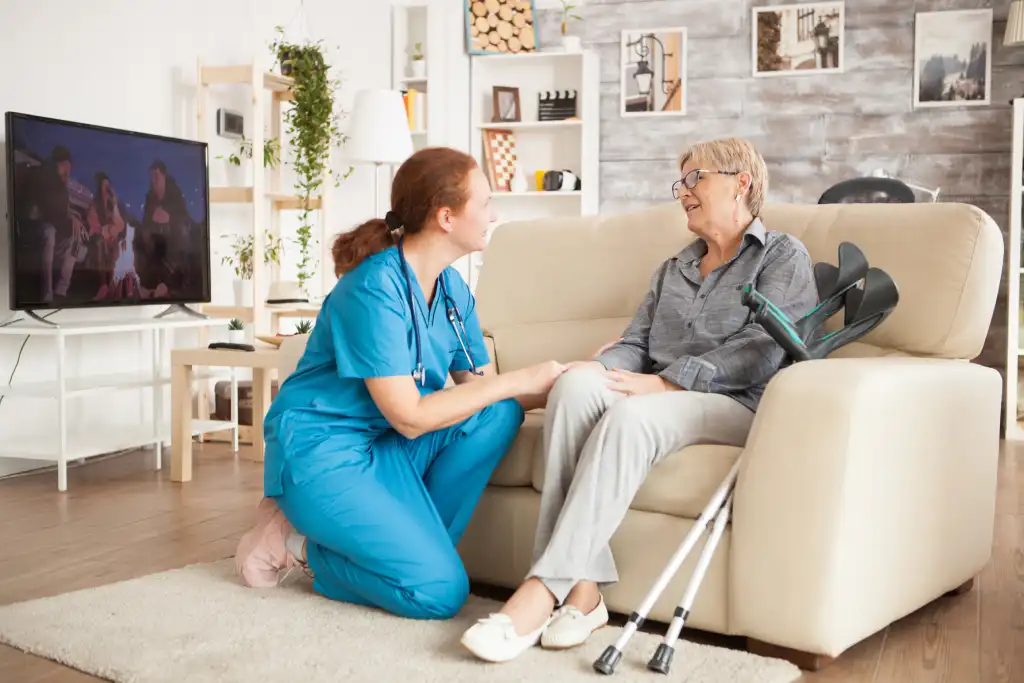
A senior care worker is a supervisory role within the adult social care sector. They are experienced care workers who provide high-quality care and supervise other staff. So, if there is any communication gap with the patient or staff, it’s the duty of a senior care worker to ensure clear communication between them.
Now the question arises: who does a senior care worker supervise? Usually, they supervise a team of care assistants, support workers, and new or junior staff during induction and training. If the staff have any confusion or don’t know what to do in unfamiliar situations, then the senior care worker is the first point of contact.
The role is recognised under SOC code 6136 in the UK Standard Occupational Classification system. This is a formal acknowledgement that senior care work is a distinct, skilled occupation within health and social care.
What skills does a senior care worker need?
- Strong communication
- Problem solving
- Document management
- Conflict resolution
- Attention to detail
- Decision making under pressure
- Active listening
- Resilience and adaptability
- Time management
- Incident reporting and risk assessment
Where do senior care workers work?
- Residential care homes
- Nursing homes
- Domiciliary care
- Day care centres
- NHS hospitals
- Private hospitals and healthcare facilities
- Supported living services
What does a senior care worker do? Day-to-Day responsibilities
The day-to-day responsibilities of a senior care worker ensure that patients receive high-quality care. As discussed before, a senior care worker usually works in elderly care. This supervisory role helps the care staff to properly communicate with the patients and ensure the best personal care.
Other day-to-day responsibilities include:
- Develop and update personalised care plans for clients
- Keep track of patients’ vital signs, such as blood pressure and heart rate
- Maintain accurate records of all medications administered
- Organise and lead activities to engage care service users
- Communicate regularly with families about their loved one’s progress
- Supervise care workers and provide guidance to new staff
- Step in to provide cover during staff absences or emergencies
- Participate in team meetings with healthcare professionals and service managers


Senior care worker vs care worker — What is the difference?
| Senior Care Worker | Care Worker | |
| Role | Supervises care staff, provides guidance, oversees care quality | Provides direct personal care to clients under supervision |
| Responsibilities | Develops care plans, mentors staff, monitors health, liaises with families | Assists with personal care, mobility, daily tasks, and medication |
| Experience | Requires more experience and often advanced qualifications | Entry-level or less experienced staff |
| Decision Making | Can make decisions about care routines and staff management | Follows instructions and care plans set by senior staff |
| Work Settings | Care homes, hospitals, community care, supervisory roles | Care homes, domiciliary care, hospitals, direct support roles |
| Salary | £24,000 – £29,000 per year | £21,000 – £24,000 per year |
How to become a senior care worker — A step-by-step guide
Most care staff who want to become a senior care worker don’t know the process of becoming one. The main reason is confusion about where to start, which training to complete, and what skills and experience are needed.
So following a step-by-step process can be beneficial for someone who wants to become a senior care worker in the UK. Let’s take a look:
Step 1 — Start as a care assistant or support worker
Every senior care worker starts somewhere, and for most, that starting point is a care assistant or support worker role. While working in these roles, you will deal from the ground floor of care.
Working as a care assistant ot support worker, you will develop empathy, patience, communication skills and much more. Plus, you will have the experience of directly working with clients, which will help you in the role of a senior care worker.
Because when you have gone through all the phases, only then can you truly understand what is needed and what should be done for the person you are caring for.
Step 2 — Complete the care certificate
The Care Certificate is the basis for starting as a carer in the UK. After gaining some experience, completing the Care Certificate training can help you develop a strong foundation in health and social care. This ensures that you have the proper knowledge of the standards of care set by the NHS.
Most employers provide the Care Certificate during induction. But if you complete it proactively, this shows your ambition and commitment. It is also the starting point that opens the door to further qualifications, making it an essential early milestone on the path to a senior role.
Step 3 — Work towards a level 3 qualification
Once you have developed your basic care skills, working towards a Level 3 qualification in Health and Social Care can support your career progression. This training helps you gain deeper knowledge of care practices and professional responsibilities.
When you complete a Level 3 qualification, this demonstrates that you are able to handle more complex care situations. Many employers look for this level of knowledge when hiring senior care workers.
Step 4 — Work on your leadership skills
The role of a senior care worker is a managerial role, which means they have to train and lead a team of carers. That’s why improving your leadership skills is a crucial part of becoming a senior care worker.
So if you are already working in the care sector, then volunteer to support new staff and step up during busy shifts. Also, when things don’t go according to plan, take initiative or provide solutions. These small acts of leadership add up quickly.
To improve leadership skills, you can also complete training on leadership and management. When you complete leadership training, this supports your practical experience by showcasing that you know the skills and you have also applied those skills in real-world situations.


Step 5 — Consider an apprenticeship route
An apprenticeship is a good way to learn while you work. You can gain real care experience and study at the same time, which helps you build your skills and confidence.
Some employers offer senior care worker apprenticeships or support you to move up through training. This route can help you get a recognised qualification and prepare for a senior role.
Step 6 — Apply for senior care worker roles
Completing all the steps above ensures that you are suitable for applying for a senior care worker role. Because employers usually look for candidates who can provide quality care while supporting and supervising other staff members.
Can you be a senior carer without qualifications?
Yes, you can be a senior carer without qualifications, but not always. Mainly, it depends on the employer. So, if you want to become a senior carer without qualifications, it’s not guaranteed that you will get the job.
For the job of a senior carer, many employers still prefer or ask for a Level 3 care qualification. So, you may be thinking about which scenarios you will get the job of a senior carer without qualifications.
The answer is experience. If you have several years of experience working in care, a strong understanding of safeguarding, and the ability to support other staff, some employers may consider you for a senior carer position without a formal qualification.
How much does a senior care worker earn in the UK?
The average salary for a senior care worker is £25,337 per year in the United Kingdom, based on 728 salaries reported as of January 2026. But senior care worker salary in the UK varies depending on experience, location, employer type, and qualifications.
| Hourly | Annual | |
| Starting salary | £14.00 per hour | £24,000 per year |
| Average salary | £13.82 per hour | £25,337 per year |
| Experienced | £16.00 per hour | £29,000 – £31,200 per year |
Career progression beyond the senior care worker role
If you are thinking about your career progression in health and social care after you become a senior care worker, then the good news is you have many options. Becoming a senior care worker opens the road for you to well-paid roles across the entire adult social care sector in the UK.
Here are the most common career progression routes beyond the senior care worker role:
- Deputy Care Manager – Supports the care manager and oversees daily operations
- Care Manager – Manages care services, staff, and quality standards
- Registered Manager – Takes overall responsibility for a care service
- Senior Support Roles – Lead specialist care teams and services
- Training Coordinator – Helps develop and train care staff
- Specialist Care Roles – Focuses on areas like dementia or palliative care
- Assistant Healthcare Practitioner – Provides hands-on support in patient care and daily tasks
- Nurse Training – Advanced training to qualify as a registered nurse, opening more specialised roles
FAQ
What are care workers not allowed to do?
Care workers are not allowed to physically restrain clients, administer medication without authorisation, share confidential information, or carry out tasks outside their agreed role and training. They must never neglect a client’s basic needs, form inappropriate personal relationships, or accept gifts that could be seen as a conflict of interest.
What are the signs of a bad caregiver?
Signs of a bad caregiver include neglecting basic care needs, being dishonest with families or managers, showing consistent impatience or frustration with clients, failing to follow care plans, and not reporting concerns. Unexplained injuries, poor hygiene standards, and a lack of empathy are also key warning signs to watch for.
What are three signs of caregiver stress?
The three most common signs of caregiver stress are persistent exhaustion that does not improve with rest, increased irritability or emotional withdrawal from colleagues and clients, and a noticeable decline in the quality and consistency of care provided. Caregiver stress is common, and seeking support early makes a significant difference.
Conclusion
In care settings, if you want to take on more responsibilities, then the senior care worker role can be a great opportunity for you to grow and build a rewarding career.
What is a senior care worker? A senior care worker is someone who is responsible for supervising and managing a team of care assistants and support workers and providing high-quality, person-centred care. They also train new staff to ensure every person gets the same standard of care from every staff member.
So, if you want to take on a leadership role in the health and social care sector and make an impactful difference in the everyday life of your clients, then the role of a senior care worker is the ideal option to do so.




Level 3 Safeguarding Children and Vulnerable Adults
4.94.9Original price was: £119.00.£29.99Current price is: £29.99.
4499 Students

4 Hours

Level 5 Designated Safeguarding Lead (DSL)
4.94.9Original price was: £199.00.£49.99Current price is: £49.99.
4253 Students
7 Hours

3448 Students
17 Hours






0 responses on "What is a Senior Care Worker?"