


Our Most Popular Categories
Trending
Health and Social Care
Safeguarding
First Aid
Care Certificate
Food Hygiene
Mental Health
Health and Safety
Animal Care & Training
Business Essentials
Career Bundles
Other Courses

- Yearly Subscription: Unlimited Access to 500+ Courses
- Level 3 Safeguarding Children and Vulnerable Adults
- Level 5 Designated Safeguarding Lead (DSL)
- Care Certificate Course
- Safeguarding Level 4 Training
- Health and Social Care Level 3 Diploma
- Accredited Dog First Aid, CPR and Grooming
- Trauma-Informed Care Training
- Level 3 Safeguarding Children and Vulnerable Adults
- Level 5 Designated Safeguarding Lead (DSL)
- Safeguarding Level 4 Training
- Designated Safeguarding Lead (Level 3 DSL Training)
- Safeguarding Adults Level 3
- Level 2 Safeguarding Children and Vulnerable Adults
- Level 3 Diploma in Nursing Assistant Training
- Safeguarding Adults Training Level 3
- Care Certificate Course
- Mandatory Training For Care Staff and Care Workers
- Level 2 Safeguarding Children and Vulnerable Adults
- Care Planning and Record Keeping in Health and Social Care
- Family Support Worker Training
- Training For Care Workers (Complete Package)
- Care Certificate Standards (1 to 16) + Level 2 And 3 Diploma in Health and Social Care
- Mandatory Training for Care Home Staff Training
- Accredited Dog First Aid, CPR and Grooming
- Pet Nutrition Diploma
- Pet First Aid and CPR Certification
- Pet Care and Psychology Diploma
- Learn to Launch and Grow a Pet Business
- Cat First Aid, CPR and Emergency Care
- Complete Dog Behaviour and Training
- Dog First Aid, CPR & Grooming + Safety for Pet Pros & Owners
- Care Certificate Standards 1-16 (The Complete Bundle)
- Training For Care Workers (Complete Package)
- Care Certificate Standards (1 to 16) + Level 2 And 3 Diploma in Health and Social Care
- Mandatory Training for Care Home Staff Training
- First Aid Essentials 1 to 6 Bundle
- Leadership and Management Courses
- Mandatory and Statutory Trainings For Adult Social Care
- Level 3 Admin PA and Secretarial Diploma Bundle
- Diabetes Awareness Training
- Baby Massage Training
- Employment Law Training
- Learn to Launch and Grow a Pet Business
- Complete Dog Behaviour and Training
- Dog First Aid, CPR & Grooming + Safety for Pet Pros & Owners
- Drugs and Alcohol Awareness Training
- Dog Care, Dog Grooming, and Dog First Aid Course Online

Offer Ends In
Use Code


Safeguarding in schools is essential for a child’s education and also for the betterment of their mental health. That’s why anyone working with safeguarding must have a comprehensive knowledge of safeguarding children in school.
So, what is safeguarding in schools? Safeguarding in schools is the procedure to ensure the overall safety of a child. Children spend a huge part of their day in school. That’s why it’s important for educators to make sure that a child’s mental and physical well-being is protected from potential harm.
This blog post covers best practices for safeguarding children in schools, the responsibility of school authorities to keep children safe and much more.
What is safeguarding in schools?
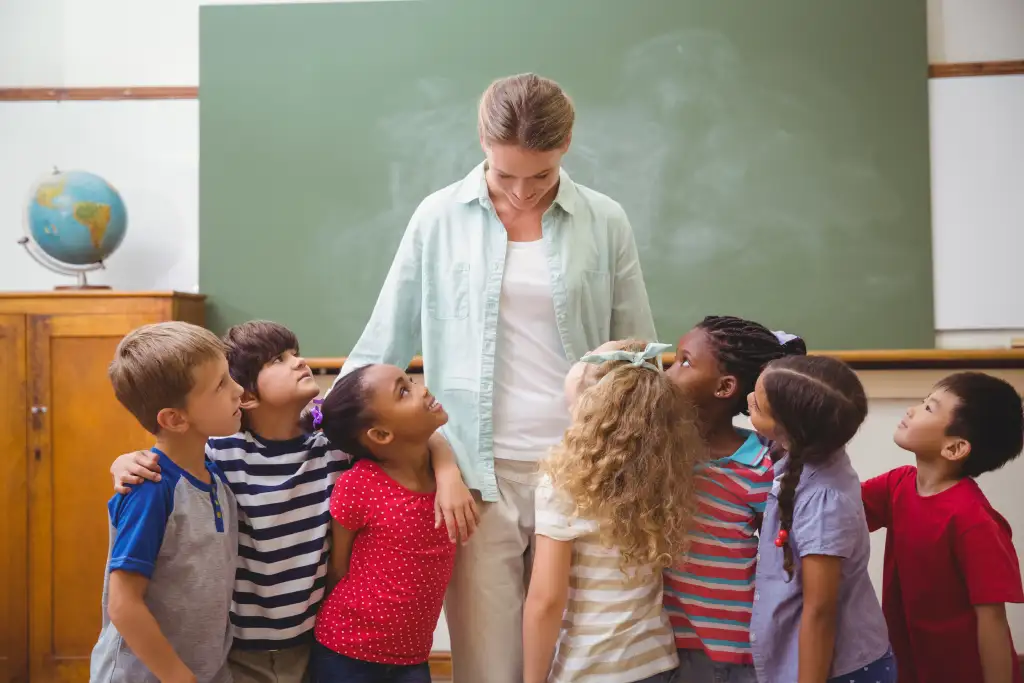
Safeguarding in schools is the process of keeping children safe from neglect and abuse. Every child comes from a different background and has different values, which sometimes makes it difficult for them to blend in. And this can lead to several safeguarding concerns.
Safeguarding procedures in schools ensure a child’s overall safety and well-being. These procedures require the school authority to implement safeguarding measures within and outside of the school.
Supportive environments for children are also a part of safeguarding within schools. A child feels comfortable when they get support from teachers and other children. Let’s take a look at some examples so that you have a better understanding.
Examples of safeguarding in schools
Whether you are a teacher, headmaster, or someone who works with safeguarding in education, these examples help you to understand how to create a safe environment for children.
- Safe recruitment process, including DBS check
- The reporting abuse and neglect system should be easy to use
- An effective and explicit school protection policy
- Risk evaluation of physical, emotional and internet security at regular intervals
- Teach parents to identify the presence of abuse and neglect
Reasons why safeguarding is important in schools
School plays a crucial role in a child’s life, and the school environment must be protected. You see, a school is the first place where a child interacts with a wide range of individuals outside the family. So, when a school lacks safeguarding policies, it can harm a child’s mental health.
When bullying and harassment go unchecked, it can cause trauma for a child, which can harm their education and daily life. So it goes without saying that the whole school safeguarding is an important part of a child’s education.
Now, let’s take a deep dive into why is safeguarding important in schools.


Protecting children from abuse and neglect
The primary goal of safeguarding in education is to protect children. A child can be a victim of abuse and neglect by anyone in the school, such as other students, school staff, or even teachers.
Understanding vulnerabilities can help teachers protect children. Educators must always treat every child equally. In this case, the safeguarding procedures come in handy.
Creating a safe learning environment
If a child doesn’t feel safe in school, they won’t be able to learn and grow. So, the school authority must take extra measures to create a safe learning environment.
To make children feel safe, the teachers must focus on extra care and support. Unspoken fears or worries may be expressed through the behaviour of a child. School leaders could use these signs to avoid abuse and neglect to ensure a safe learning environment.
Meeting legal and ethical obligations
The Children Act 1989, the Children’s Act 2004, and the UK Child Protection Act make it clear that safeguarding is a shared legal duty.
When these legal acts are implemented in schools, the quality of child care will improve. Also, by following these legal and ethical obligations, teachers build trust with parents.
Educating children about safety
Sometimes a child doesn’t know whether their behaviour is harmful to other children. So the school can teach safeguarding with age-appropriate lessons.
Another factor when working on the protection of children is that they themselves should be aware of their protection. It may also be beneficial to collaborate with agencies to assist children suffering abuse, neglect, and bullying to identify it.
Staff training and risk identification
So, when will you be able to identify what is risky for children and what is safeguarding? With the proper training, you will be able to do that. Online training, such as DSL Level 3 Child Protection and Level 2 Safeguarding Children, will help school staff to identify and prevent risks.
The training helps the school staff to gain essential knowledge and skills about safeguarding procedures in schools. With the help of safeguarding children training, every school staff member would be able to identify and prevent risk. The result will be a safe and risk-free environment for children.
Safeguarding in education is crucial for any child to grow up with ethics and values. Plus, it helps a child shape their personality as they move forward to become a better person. That’s why safeguarding in schools is important.
Is a safeguarding policy mandatory in UK schools?
Yes, safeguarding policy is mandatory in all UK schools. A child’s development is heavily influenced by the school environment. That’s why safeguarding policy is mandatory in all UK schools.
The school authority is required to follow the statutory advisories as per the Education Act 2002, including Keeping Children Safe in Education (KCSIE). This is significant in the interests of children. So, the answer to the question of why do schools need policies and procedures is to help all staff understand and fulfil their duties.
Who is responsible for safeguarding in schools?
Safeguarding in schools is not just a one-person duty but a collective responsibility. The head teacher or governing body establishes the safeguarding policies and procedures. And all the teachers and staff members are responsible for identifying and reporting concerns by following these procedures.
On the other hand, a designated safeguarding lead (DSL) coordinates all the actions. Typically, in a school, a DSL is someone who is a senior member within the school.
What happens when a safeguarding concern is raised about a child?
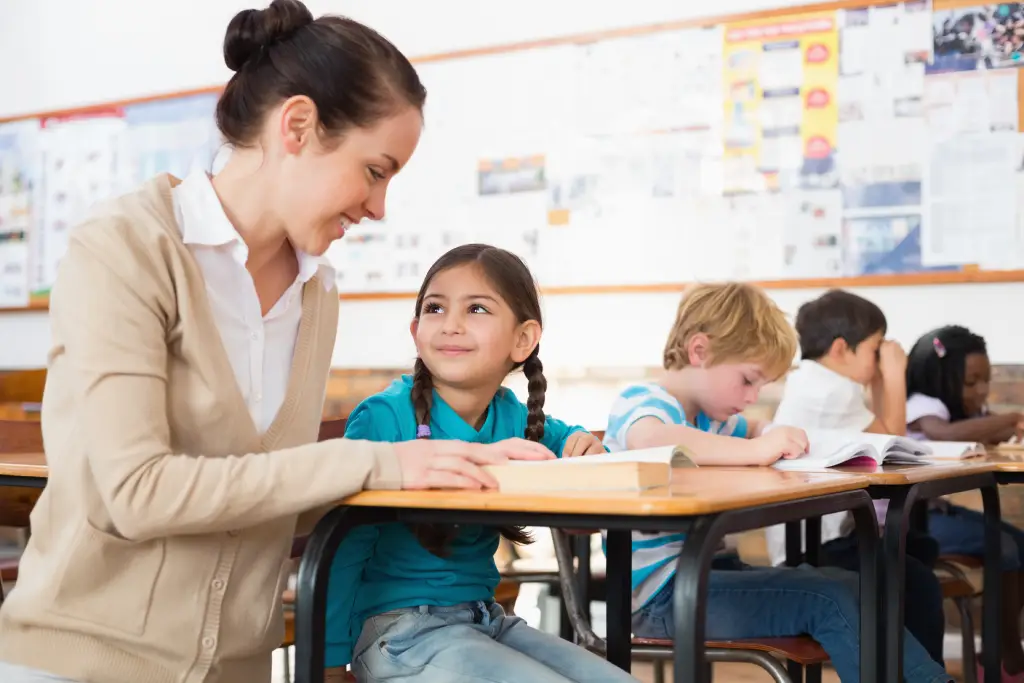
Raising safeguarding concerns about a child is a formal procedure guided by statutory guidance, such as KCSIE. The first thing when a safeguarding concern is raised about a child is to assess the situation. This is usually done by a designated safeguarding lead (DSL).
If the DSL believes that a child is at risk or in serious harm, they can call in additional support. This is typically done with the cooperation of the Multi-Agency Safeguarding Hub (MASH).
Among others, one thing to keep in mind is that a school staff member should never make any promise of confidentiality to a child. In the process, teachers have to assist the child in comprehending the process.
Best practices for safeguarding children
Implementing the safeguarding in schools checklist is one of the most effective ways to practice safeguarding. Other than the checklist, there are various practices for protecting children in schools.
Let’s take a look at the best practices for safeguarding children in schools and how these can have a positive impact on a child’s education:
Ensure regular staff training
Unless the staff know how to detect abuse, negligence, and how to react, he/she will not be capable of keeping a child safe. This is why every employee at the school should undergo the training on the topic of Safeguarding Children in Schools and Colleges.
The training will give the school staff the knowledge to recognise abuse and respond appropriately. And to supervise the school staff, there must be a dedicated DSL in the school. Only then will the training be effective.
Conduct thorough background (DBS) checks
Working with child education is a delicate process. Every step of this process must be handled carefully.
School leaders must have a detailed idea about who they are appointing. That’s why a thorough DBS check must be conducted before appointing any school staff. This is a core part of he safeguarding in schools checklist.
Open communication with pupils and parents
It’s natural for parents to be concerned about their children. Sometimes, they want to get an update about their child’s progress. Having a seamless, open communication system for parents helps build trust and keep them informed about their children.
Review and evaluate safeguarding practices
The school authority must regularly review its school safeguarding policy. This ensures that the policies’ intentions are properly served.
Evaluating the safeguarding practices in schools will reveal the gaps where the school is falling short. Plus, it helps any school stay aligned with essential legislation, such as the Children Act 1989.
Promote continuous training
At this phase of the 21st century, the behaviour of children is changing rapidly. While the core of safeguarding children stays the same, some minor changes can make a noticeable difference. That’s why continuous training for all school staff is beneficial.
The continuous training will help the school staff to gain skills to handle potential risks and keep the children safe.


FAQ
What are the 5 main safeguarding issues?
What are the 5 main safeguarding issues?
The five main safeguarding issues are:
✅ Physical abuse
✅ Sexual abuse
✅ Emotional abuse
✅ Neglect
✅ Exploitation
What should a teacher do if a child discloses abuse?
When a child discloses abuse, a teacher must listen without being judgmental. Tell the child they did the right thing by telling them, do not ask details, and they must keep a record of what the child said. The teacher must contact the DSL or the person responsible for safeguarding in school.
What are the two main laws for child protection?
In the UK, the two main laws for child protection are the Children Act 1989 and the Children Act 2004. According to these two laws, you must protect children when working with them and also help agencies safeguard every child.
Conclusion
Safeguarding children in schools is not just a single person’s responsibility. It’s a collective approach for school leaders, educators, teachers, special educational needs coordinators, and DSLs.
So, what is safeguarding in schools? It’s the process where the school takes on the responsibilities to protect children from risky incidents and keep them safe. By maintaining protocols and strong safeguarding policies in schools and properly trained staff, you can create a safe educational setting.
Children must be handled with care. Their safeguarding in schools is the thing that can not go unchecked. Therefore, every school in the UK must make safeguarding its top priority.




Level 3 Safeguarding Children and Vulnerable Adults
4.94.9Original price was: £119.00.£29.99Current price is: £29.99.
4512 Students

4 Hours

Level 5 Designated Safeguarding Lead (DSL)
4.94.9Original price was: £199.00.£49.99Current price is: £49.99.
4261 Students
7 Hours

3450 Students
17 Hours







0 responses on "What is Safeguarding in Schools and Why Does it Matter?"