


Our Most Popular Categories
Trending
Health and Social Care
Safeguarding
First Aid
Care Certificate
Food Hygiene
Mental Health
Health and Safety
Animal Care & Training
Business Essentials
Career Bundles
Other Courses

- Yearly Subscription: Unlimited Access to 500+ Courses
- Level 3 Safeguarding Children and Vulnerable Adults
- Level 5 Designated Safeguarding Lead (DSL)
- Care Certificate Course
- Safeguarding Level 4 Training
- Health and Social Care Level 3 Diploma
- Accredited Dog First Aid, CPR and Grooming
- Trauma-Informed Care Training
- Level 3 Safeguarding Children and Vulnerable Adults
- Level 5 Designated Safeguarding Lead (DSL)
- Safeguarding Level 4 Training
- Designated Safeguarding Lead (Level 3 DSL Training)
- Safeguarding Adults Level 3
- Level 2 Safeguarding Children and Vulnerable Adults
- Level 3 Diploma in Nursing Assistant Training
- Safeguarding Adults Training Level 3
- Care Certificate Course
- Mandatory Training For Care Staff and Care Workers
- Level 2 Safeguarding Children and Vulnerable Adults
- Care Planning and Record Keeping in Health and Social Care
- Family Support Worker Training
- Training For Care Workers (Complete Package)
- Care Certificate Standards (1 to 16) + Level 2 And 3 Diploma in Health and Social Care
- Mandatory Training for Care Home Staff Training
- Accredited Dog First Aid, CPR and Grooming
- Pet Nutrition Diploma
- Pet First Aid and CPR Certification
- Pet Care and Psychology Diploma
- Learn to Launch and Grow a Pet Business
- Cat First Aid, CPR and Emergency Care
- Complete Dog Behaviour and Training
- Dog First Aid, CPR & Grooming + Safety for Pet Pros & Owners
- Care Certificate Standards 1-16 (The Complete Bundle)
- Training For Care Workers (Complete Package)
- Care Certificate Standards (1 to 16) + Level 2 And 3 Diploma in Health and Social Care
- Mandatory Training for Care Home Staff Training
- First Aid Essentials 1 to 6 Bundle
- Leadership and Management Courses
- Mandatory and Statutory Trainings For Adult Social Care
- Level 3 Admin PA and Secretarial Diploma Bundle
- Diabetes Awareness Training
- Baby Massage Training
- Employment Law Training
- Learn to Launch and Grow a Pet Business
- Complete Dog Behaviour and Training
- Dog First Aid, CPR & Grooming + Safety for Pet Pros & Owners
- Drugs and Alcohol Awareness Training
- Dog Care, Dog Grooming, and Dog First Aid Course Online

Offer Ends In
Use Code


In the UK, health and social care jobs are in high demand, with increasing needs for both support workers and supervisory staff.
The level 3 health and social care is ideal when you are just beginning or want to advance in health care jobs. So, what jobs can you get with the Health and Social Care Level 3 Diploma? You will get into roles such as care assistant, support worker, domiciliary carer and many more.
Careers in health and social care require you to work in various healthcare settings, offering a great opportunity for career progression. Let’s talk details.
What is Health and Social Care Level 3 Diploma?
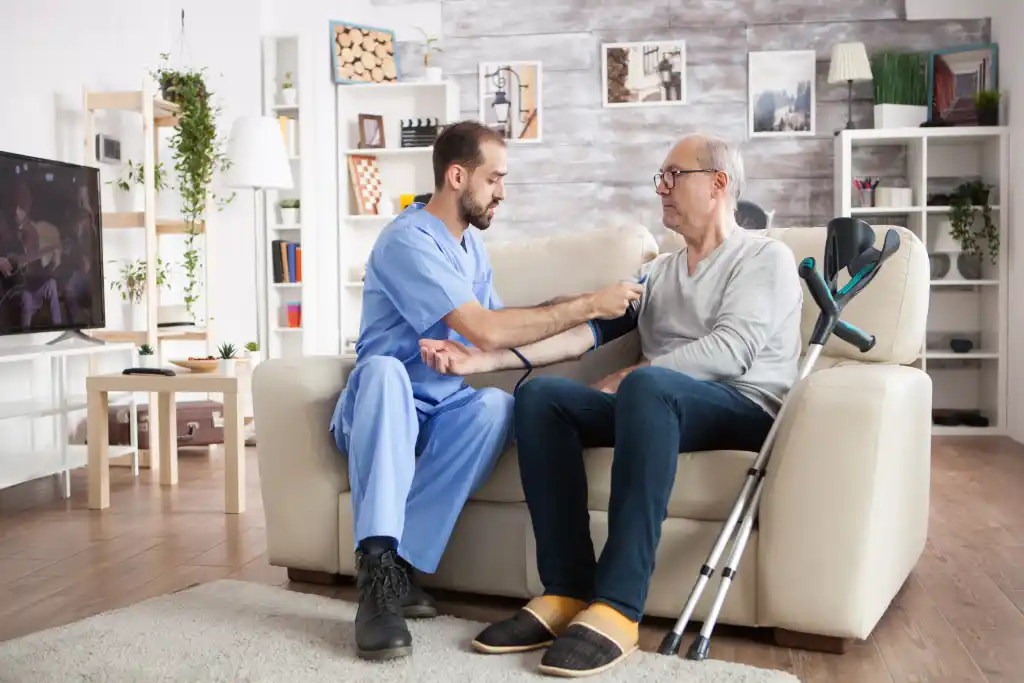
The health and social care level 3 diploma is a training that prepares you with the skills to work in healthcare settings.
In this diploma, you will get the foundational knowledge of health and social care. You will get to know much about taking care of people, ensuring that all people are treated equally and keeping people safe.
You could also develop in the job and get into management. This training suits you if you would like to work in a professional care environment.
Why is Health and Social Care Level 3 Diploma important?
By 2040, the UK will need an additional 540,000 care workers. So, if you are trained at this level 3, it will give you an advantage in the job market.
With this diploma, you will be able to work in specific roles in healthcare settings, and this training makes you eligible to work with children and young people as well.
One of the bright sides of this health and social care level 3 diploma is career progression. With this training, switching roles becomes easier. Getting into supervisory roles within health and social care is also possible with it.
What will you learn in the Level 3 Health & Social Care Diploma?
The CPD-accredited HSE aligned health and social care level 3 diploma from Care Skills Training gives you the skills to provide high quality care. This training is delivered online, making it easier for those who want to change their career.
Key topics include:
- Communication skills
- Safeguarding
- Infection prevention and control
- Person-centred care and duty of care
- Equality and inclusion
- Mental health and wellbeing
After completing this level 3 diploma, you will have the knowledge to work in care settings.


What jobs can you get with Health and Social Care Level 3 Diploma?
According to Skills for Care, on average, every year about 36,000 care staff are needed till 2040. This is to provide support to the forecasted increasing number of people over the age of 65 years old. And it is a golden opportunity for those looking to get into healthcare jobs.
With this level 3 diploma, getting into specific job roles could be beneficial. Here is the detailed discussion on the jobs you can get into with this health and social care level 3 diploma training:
Support Worker
Support workers work with those who have physical, learning, or mental health needs. As a support worker, you will help them by offering help and emotional support when they need it most.
A common question is, where does a support worker work? A support worker usually works in residential or community settings. As a support worker, you will work in the client’s own home, the local community, care homes, and hospitals.
Duties of a Support Worker
- Helping with daily tasks
- Support with medication
- Offer emotional support
- Assist with appointments, activities, and outings
- Keep basic records and report any concerns
Salary of a Support Worker
Entry salary: £18,000 to £22,000 per year
Average salary: £25,000 per year
Highest salary: £30,000 – £35,000+ per year (for senior or specialised roles)
Healthcare Support Worker (NHS entry roles)
A healthcare support worker (HCSW) or a healthcare assistant (HCA) is an entry-level position in the NHS. As a healthcare support worker, you will work in frontline care and assist nurses and doctors.
Typically, a healthcare support worker works in NHS hospitals, GP surgeries, clinics, outpatient departments, and community health teams.
Duties of a Healthcare Support Worker
- Assistance in washing, dressing, toileting
- Help the patient with mobility
- Always check and note simple health readings
- Getting everything set up for treatments
- Provide emotional support during treatment
Salary of a Healthcare Support Worker
A healthcare support worker gets an NHS Band 2 or Band 3 salary depending on their experience.
- The Band 2 salary is £24,465 with less than 2 years of experience
- The Band 3 salary is £24,937 with less than 2 years of experience
Care Assistant (Residential or Nursing Home)
A care assistant’s job is one of the best ways to start your career in care or healthcare settings. As a care assistant, you will help patients live as independently as possible by helping them with their daily activities. So, you will be working closely with your clients.
Care assistants usually work in residential care homes, nursing homes, dementia units, and rehabilitation centres.
Duties of a Care Assistant
- Provide personal care such as washing, dressing and personal hygiene
- Help them with meals and medication
- Keeping records and reporting changes
- Offering emotional support to the patients
- Supporting residents to move safely
Salary of a Care Assistant
Entry salary: £21,000 to £24,465 per year
Average salary: £25,769 per year
Highest salary: £30,074 per year (especially in inner London)


Domiciliary Carer (Home Care Assistant)
Usually, a domiciliary care worker visits clients in their own homes to help them with daily living tasks. As a domiciliary carer, you will provide one-to-one care to make the client’s life more comfortable.
Typically, a domiciliary carer works in a particular client’s home. They can also provide support in hospitals, the community, or care homes.
Duties of a Domiciliary Carer
- Help clients in their own homes
- Prepare food
- Help with medication (if trained or allowed)
- Do light housework and shopping
- Keeping company with the patient so they don’t feel isolated
Salary of a Domiciliary Carer
Entry salary: £19,000 per year
Average salary: £22,000 per year
Highest salary: £25,000 per year
Mental Health Support Worker
A mental health support worker provides emotional support to clients and their families. As a mental health support worker, your job is to listen actively to your client and cheer them up. Plus, you will teach them how to stay calm in tricky situations.
Mental health support workers provide services in hospitals, residential care homes, schools, community mental health teams or in clients’ homes.
Duties of a Mental Health Support Worker
- Provide emotional support to clients
- Able to communicate verbally and non-verbally
- Help clients maintain a healthy routine
- Regularly check the wellbeing of the patient
- Assist with daily tasks
Salary of a Mental Health Support Worker
Mental health support worker salary varies depending on experience and location.
Entry Salary: £18,000 per year
Average Salary: £22,000 to £25,000 per year
Highest Salary: Up to £30,000 per year
Family Support Worker
Family support workers help struggling families. The struggles could be parenting challenges, housing problems, health issues, and educational needs.
As a family support worker, you will work in family homes, local authority offices, community centres, schools and many more.
Duties of a Family Support Worker
- Supporting parents with routines and parenting skills
- Liaise with schools, social workers, and services
- Help with budgeting, benefits, and home management
- Attend court, crises, or appointments with families
Salary of a Family Support Worker
Entry Salary: £24,000 per year
Average Salary: £28,000 per year
Highest Salary: £36,000 per year
These are the top jobs that you can get into with a health and social care level 3 diploma. So, if you have completed the Care Certificate standards 1-16 and want to progress your career, this level 3 diploma would be a great start.
Where can you work after completing Level 3 Health & Social Care?
With the level 3 health and social care diploma, you open the door to a wide range of workplaces and various roles. Roles such as health care assistant, social worker, care support worker would be available for you.
From care hospitals to community support, this level 3 training allows you to work in versatile working environments. Let’s take a look at which workplaces you can work in with this health and social care diploma:
Domiciliary and home support services
Domiciliary care services let you support people in their own homes. You’ll help them stay independent and safe. Domiciliary services also help clients build confidence in managing everyday tasks.
In domiciliary and home support services, you could work as a home care assistant, domiciliary carer, social care worker, reablement worker or support worker, depending on the needs of the person.
Residential and nursing care homes
Residential and nursing homes offer full-time care for older adults and people with disabilities. The services ensure that the patient feels comfortable and safe.
In this setting, you may work as a care assistant, senior carer, activities coordinator, or support worker.
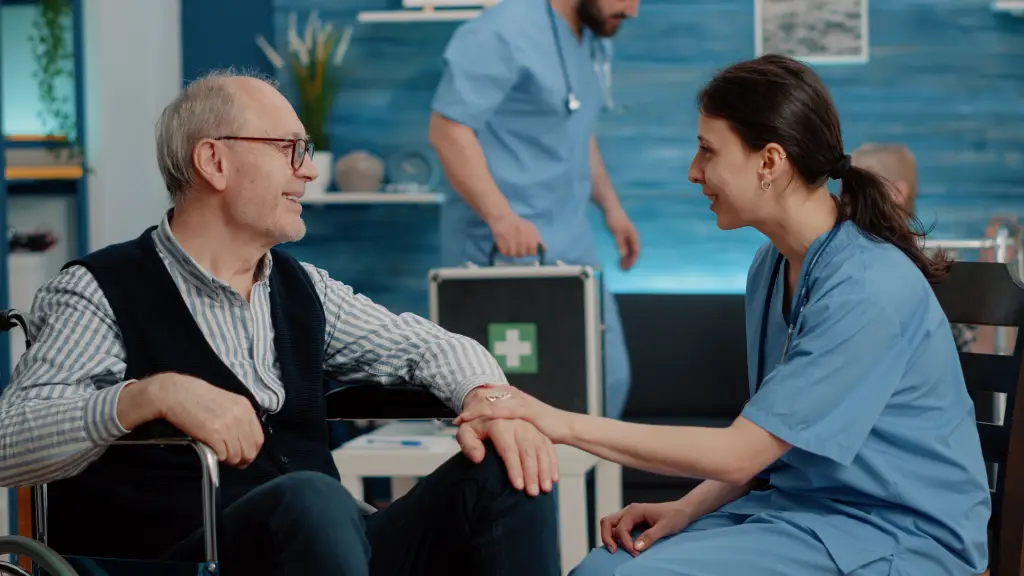
NHS hospitals and healthcare services
With a Level 3 Diploma, you can also work in NHS services, and your job would be to support doctors and nurses in caring for patients.
You could work as a care worker, healthcare support worker, clinical support worker, or mental health support worker. These roles will give you skilful experience if you want to grow your career in healthcare settings.
Children’s services and family support settings
Children’s and family services allow you to support young people and families who need extra help. The services include home visits, activities, building routines, and helping families access local services.
In children’s services and family support settings, you could work as a family support worker, early help worker, youth support worker, or children’s residential care worker.
Supported living and community care settings
Support living services help people with disabilities to live independently in their own homes. The services also include domestic assistance, personal care, advocacy and much more.
You may work as a support worker, key worker, community carer, or independent living assistant.
Mental health and wellbeing support services
Mental health services focus on helping people manage their mental health and develop coping skills. You’ll work closely with individuals to create a positive routine for them and help them emotionally.
In this area, you could work as a mental health support worker, recovery worker, peer support worker, or crisis support assistant.
Specialist care providers and voluntary organisations
Many specialist organisations support people with specific needs such as dementia, learning disabilities, or substance misuse.
In this setting, you could take roles such as support worker, outreach worker, key worker, or care coordinator.
Can I start working after completing Health and Social Care Level 3 Diploma?
Yes, you can start working after this level 3 diploma. With this diploma, you would be eligible to work as a healthcare professional, which covers roles such as health care assistant, community support worker, social care worker and much more.
You see, health and social care training touches on points that will give you the skills to pursue higher education. This will help you to get into supervisory roles, such as a care team leader.
The best thing about the health and social care level 3 diploma is that it opens up a variety of health and social care roles and can be a foundation for future public health or further study.
Average salary according to the NHS Pay Bands
A very common question learners have is, How much can I earn after completing a Health and Social Care Level 3 diploma?
The earnings depend on the roles that you will be working in, the location and work experience. With this diploma, you would get well-paid entry-level jobs with a great opportunity for career progression.
Role-wise salary overview
The salaries of the NSH roles are determined by the NHS Agenda for Change. For your better understanding, here is a complete breakdown of the role-wise salary:
| Job Title | Average Salary | Salary Based on Experience | NHS Pay Band |
| Support Worker | £25,000 per year | £26,000+ per year | Band 3 |
| Healthcare Support Worker (HCSW) | £24,937 per year | £28,000+ per year | Band 2–3 |
| Care Assistant | £25,769 per year | £26,500+ per year | Band 2–3 |
| Domiciliary Carer (Home Care) | £22,000 per year | £25,500+ per year | Not banded (private/community care) |
| Mental Health Support Worker | £22,000-£25,000 per year | £28,000+ per year | Band 3–4 |
| Family Support Worker | £28,000 per year | £35,000+ per year | Band 3–4 |
Will your salary increase with experience?
Yes, you would be getting more pay with experience and responsibilities. Once you finish Level 4 and Level 5 diplomas, at the end of Level 3 diploma, then you will be in a position to join higher paying jobs. Your entry level of working in the field of supervisory roles is the health and social care diploma level 3.
Advancing Your Career: Moving from Level 3 to Level 5
The level 3 diploma placement prepares you with a higher diploma leading to great career advancement in the long run. In case you are beginning a career in the UK care industry, the diploma is a stepping stone towards professional advancement that is recognised.
So, if you are committed to providing high-quality care and want to advance your career, then you can do it by completing the level 3 to level 5 diploma.
Health and Social Care Level 3 Diploma
The level 3 diploma covers safeguarding, basic health and safety, personalised care, communication, dementia/mental health awareness. And this training is ideal for beginners, career changers, and those who are new to the care settings.
After completion, you will be ready to work as a care assistant, healthcare support worker, domiciliary carer, support worker, or mental health support worker.
Health and Social Care Level 4 Diploma
The health and social care level 4 diploma covers more complex care needs, supervising staff, care planning and advanced safeguarding responsibilities. This diploma is ideal for care workers who want to switch roles and become supervisors.
This level 4 diploma prepares you for roles such as senior care assistant, care coordinator, senior support worker and much more.
Level 5 Diploma In Health and Social Care
The level 5 diploma in health and social care covers equality and discrimination, leadership and management, legal frameworks, mental health and drug awareness, safeguarding, infection prevention and much more. And this training is ideal for manager-level roles in adult care services.
This level 5 diploma prepares you for roles such as care home manager, deputy manager, service manager, lead practitioner, and advanced coordinator.
Is it possible to skip a level?
The best practice is to follow the step-by-step process and complete the level 3, 4 and 5 diplomas. However, if you have strong experience working in healthcare settings, you can move straight from level 3 to level 5.
If you want to work in supervisory roles, then starting with the level 4 diploma is the best way to start. But, if you already have experience working in managerial positions, then you can start directly with the level 5 diploma.
Is it worth taking the Health and Social Care Level 3 Diploma from Care Skills Training?
Still not sure about enrolling on health and social care level 3 diploma training? Ask yourself, how this level 3 diploma will impact your career and future earnings?
The straightforward answer is that it will help you a lot, especially if you are looking for a sustainable career and want to grow as a healthcare professional.
Let’s take a look at how this level 3 diploma will help you:
Takes you ahead of the curve
If you are starting your career in the care sector and you have the Health and Social Care Level 3 Diploma certificate, you will definitely be ahead of the curve and get priority in job placements.
Moreover, this level 3 diploma prepares you to take on roles such as health care assistant, domiciliary carer, support worker and much more. This widens your job sector within the healthcare settings, and you have a better chance of getting a job.
Opportunity for career progression
The health and social care level 3 diploma also leads the way to supervisory roles. By switching to managerial positions, you’ll get a better salary and benefits.
If you want to continue working in care settings, then this level 3 diploma is the best choice. Not only does this diploma give you a kickstart in your career, but it also opens doors to other roles in the care domain.
Expertly curated, affordable, and flexible
The health and social care level 3 diploma from Care Skills Training is expertly curated and covers essential topics such as communication, safeguarding, person-centred care, information management, and infection prevention and control.
This level 3 diploma is 100% online, which makes it accessible from anywhere with any device. So even if you are thinking about switching your career, you will have the flexibility to complete this training in your own time.
FAQ
Can I be a nurse with health and social care level 3?
No, you can not become a nurse with health and social care level 3 diploma. However, this training will be a great support to you as you pursue becoming a nurse.
Does a level 3 count as a degree?
No, the level 3 is not a degree. It is equivalent to A levels and considered as a pre-university qualification. It can help you progress into work or higher‑level study, but it is not a degree itself.
What’s the easiest healthcare job to get?
The easiest healthcare jobs you can get are healthcare assistants, phlebotomists, care workers, home health aides, patient service representatives, or medical secretaries.
Conclusion
Every year, the demand for care workers, support workers and supervisory staff in care settings is rising in the UK. The reason is the NHS staff shortage and the rising number of elderly people aged over 65.
To enter into healthcare jobs, completing the Level 3 Health and Social Care Diploma gives you the essential skills. So, what jobs can you get with the Health and Social Care Level 3 Diploma? You’ll be able to apply for roles including care assistant, support worker, domiciliary carer and much more.
If you want to get into entry-level jobs and also want to switch roles to supervisory roles in the future, the health and social care level 3 diploma gives you the solid starting point you need.




Level 3 Safeguarding Children and Vulnerable Adults
4.94.9Original price was: £119.00.£29.99Current price is: £29.99.
4508 Students

4 Hours

Level 5 Designated Safeguarding Lead (DSL)
4.94.9Original price was: £199.00.£49.99Current price is: £49.99.
4260 Students
7 Hours

3450 Students
17 Hours







0 responses on "What Jobs Can You Get With Health and Social Care Level 3 Diploma?"