


Our Most Popular Categories
Trending
Health and Social Care
Safeguarding
First Aid
Care Certificate
Food Hygiene
Mental Health
Health and Safety
Animal Care & Training
Business Essentials
Career Bundles
Other Courses

- Yearly Subscription: Unlimited Access to 500+ Courses
- Level 3 Safeguarding Children and Vulnerable Adults
- Level 5 Designated Safeguarding Lead (DSL)
- Care Certificate Course
- Safeguarding Level 4 Training
- Health and Social Care Level 3 Diploma
- Accredited Dog First Aid, CPR and Grooming
- Trauma-Informed Care Training
- Level 3 Safeguarding Children and Vulnerable Adults
- Level 5 Designated Safeguarding Lead (DSL)
- Safeguarding Level 4 Training
- Designated Safeguarding Lead (Level 3 DSL Training)
- Safeguarding Adults Level 3
- Level 2 Safeguarding Children and Vulnerable Adults
- Level 3 Diploma in Nursing Assistant Training
- Safeguarding Adults Training Level 3
- Care Certificate Course
- Mandatory Training For Care Staff and Care Workers
- Level 2 Safeguarding Children and Vulnerable Adults
- Care Planning and Record Keeping in Health and Social Care
- Family Support Worker Training
- Training For Care Workers (Complete Package)
- Care Certificate Standards (1 to 16) + Level 2 And 3 Diploma in Health and Social Care
- Mandatory Training for Care Home Staff Training
- Accredited Dog First Aid, CPR and Grooming
- Pet Nutrition Diploma
- Pet First Aid and CPR Certification
- Pet Care and Psychology Diploma
- Learn to Launch and Grow a Pet Business
- Cat First Aid, CPR and Emergency Care
- Complete Dog Behaviour and Training
- Dog First Aid, CPR & Grooming + Safety for Pet Pros & Owners
- Care Certificate Standards 1-16 (The Complete Bundle)
- Training For Care Workers (Complete Package)
- Care Certificate Standards (1 to 16) + Level 2 And 3 Diploma in Health and Social Care
- Mandatory Training for Care Home Staff Training
- First Aid Essentials 1 to 6 Bundle
- Leadership and Management Courses
- Mandatory and Statutory Trainings For Adult Social Care
- Level 3 Admin PA and Secretarial Diploma Bundle
- Diabetes Awareness Training
- Baby Massage Training
- Employment Law Training
- Learn to Launch and Grow a Pet Business
- Complete Dog Behaviour and Training
- Dog First Aid, CPR & Grooming + Safety for Pet Pros & Owners
- Drugs and Alcohol Awareness Training
- Dog Care, Dog Grooming, and Dog First Aid Course Online

Offer Ends In
Use Code


Sometimes, it’s not obvious when to move from assisted living to nursing home care. The decision will be based on an individual’s health, safety, independence and support in their place of residence.
Typically, a person will consider moving when they require a level of nursing support that is regular, or their medical needs are becoming more complex or they are unable to receive safe and appropriate support in their current location.
This guide outlines the indicators, who can assist with the decision and how families can organise a move in the UK.
What Is the Difference Between Assisted Living and a Nursing Home?
Both assisted living and nursing homes are facilities that can help individuals with daily living needs. However, the type and level of care they offer are different.
Assisted living in the UK means extra care housing or supported accommodation. Both are forms of living independently but with the added help of extra care. Residential Care Homes provide housing and assistance for personal care like bathing, dressing, feeding and medication.
A nursing home also offers personal care, but has registered nurses on staff to address residents’ nursing needs.
Here is a quick comparison:
| What to Compare | Assisted Living | Nursing Home |
| Who is it for? | People who need some help but want to stay independent. | People who need regular nursing and medical care. |
| Daily activities | Help with washing, dressing and meals. | Help with daily activities and more complex care needs. |
| Medical care | Usually provided by visiting healthcare professionals. | Registered nurses are available day and night. |
| Medication | Help with everyday medication. | Help with medication, including more complex treatments. |
| Living arrangements | Usually a private flat or apartment. | Usually a private or shared room within a care home. |
| Main focus | Supporting independence and daily living. | Providing personal care and ongoing nursing support. |
Some care homes are available for both residential and nursing care, so the care recipient may also be able to get extra support without having to relocate to another building.
It is not just a matter of the amount of support required because these individuals are not all the same. The key thing is whether their health needs are something they need to be cared for regularly by a registered nurse.

7 Signs It May Be Time to Move to a Nursing Home
A person’s needs do not remain constant for a lifetime. A person who previously worked well with a little assistance may slowly require more assistance.
If any of the following signs are exhibited, it may be a sign that the current care setting requires a review.
1. Requires support for regular or overnight nursing care
If they need frequent wound care, clinical monitoring or nursing care when their wound changes. Their current carers may be doing everything possible, but there are needs that only a registered nurse can provide and know how to do.
A nursing home might be a better option for someone who requires nursing care often or at irregular intervals. Talk to their GP, community nurse or care provider before making a decision. They can assist in determining if sufficient support will be available in the person’s home.
2. Their medical conditions are becoming more complex
Being diagnosed with a long-term condition does not always mean that the person requires nursing home care. But the care of multiple health concerns may be more complex, especially if symptoms become more frequent or more intense, or the number of health concerns grows.
Such as, a person with Parkinson’s, heart failure or advanced respiratory illness might slowly need to be monitored more closely in the clinic. You may notice that they experience more illness and recovery is slower or they are more difficult to care for.
These changes should be discussed with health care providers. A new evaluation may be useful to determine if the current placement is appropriate.
3. They are experiencing frequent falls or hospital admissions
It is not that every time they fall, they must transfer. However, repeated falls, along with other signs that elderly parents need help, should never be ignored. They may indicate changes in balance, muscle strength, mobility, medication or an underlying health condition.
If a person is admitted to hospital regularly, this may also indicate that their care needs are evolving and they may be coming home from hospital more dependent than they were when they entered the hospital. The risks may be lowered by a falls assessment, medication review or additional support.
However, if things continue to go wrong despite taking the right precautions, it may be time to look at a nursing home that may be more appropriate.
4. Their mobility and physical care needs have increased
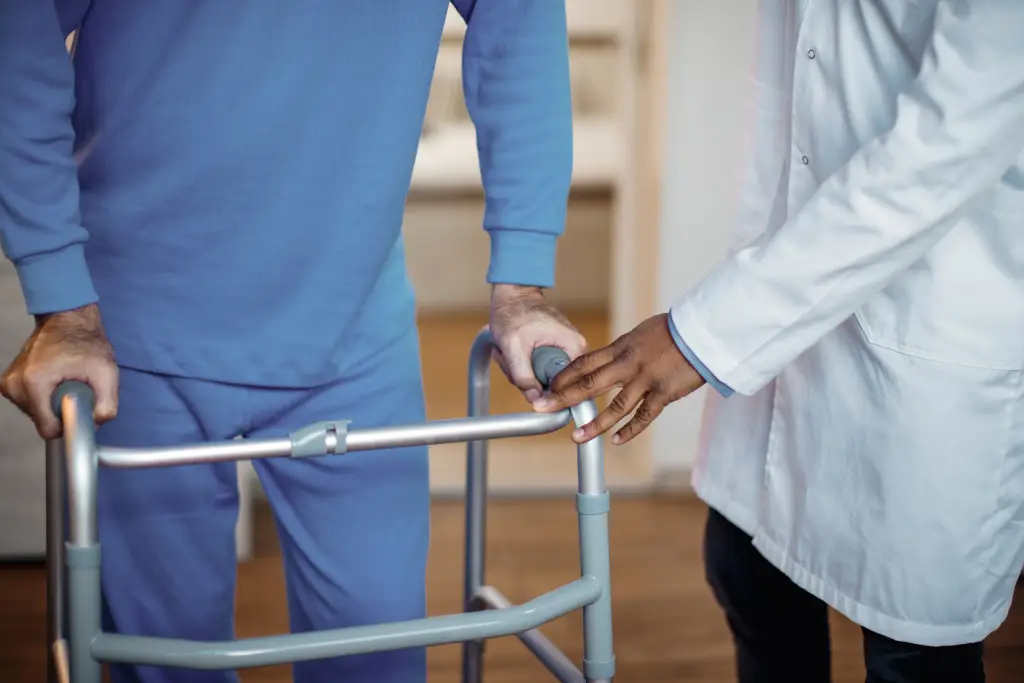
Increasing mobility difficulties may mean someone needs additional equipment, moving and handling support or assistance with personal care. There may also be cases of pressure sores or other health issues associated with decreased mobility.
Not all of these needs can be met in a nursing home. But if physical care is complicated and a regular assessment of nursing care is necessary, it may be advisable to move.
5. Their dementia or cognitive needs have become more difficult to manage
Dementia impacts individuals in unique ways. Some individuals live happily in assisted living or residential care for several years, but others need a different level of support.
There is a gradual onset of confusion, restlessness, behaviour change or unfamiliarity with surroundings. It can be distressing for all parties involved in these changes.
The word dementia does not imply that people need to be given skilled nursing care. Understanding how to communicate with someone with dementia can also help families respond to changes in behaviour and reduce unnecessary distress.
6. They are in need of more complex medication or clinical help
Most assisted living and residential care residents are provided assistance with daily medication. This can be further complicated if there is a need for frequent treatment adjustments, complex clinical procedures or close monitoring of their response to treatment.
For instance, some feeding set-ups, advanced wound care or other special interventions may necessitate the registered nursing role. Remember, having several medicines does not necessarily mean that an individual requires a skilled nursing facility.
7. Their current care provider can no longer meet their needs safely
A care manager may explain that the resident now needs services the home is not equipped or registered to provide. Staff might also be worried about their health, safety or ongoing support needs changing.
This does not necessarily reflect the quality of care provided by the provider. Needs of people change and services are not the same in any setting. If there is a concern, request a formal review by the care team.
Before making any arrangements to move, discuss what further support is available, if nursing is really needed and if the mother still needs to go into the nursing home.


When Is It Time to Move from Assisted Living to a Nursing Home?
There is no fixed age, diagnosis or single event that determines when someone should move into a nursing home. The best time is when their health and personal care needs are assessed and the care they are receiving is no longer safe to provide for their needs.
For some people, this happens gradually. They might require increased assistance with mobility, medication and medical treatment over several months. When a person becomes seriously ill or is admitted to the hospital, there is a sudden change in their needs for others.
Before making the decision, consider three questions:
- Is the services provider at present able to provide safe services to the person?
- Do their health conditions require regular care from registered nurses?
- Have professionals investigated whether further support is needed to stay in their current setting?
If the responses indicate that the setting is no longer appropriate, then it’s wise to make a nursing care evaluation.
Who Decides When Someone Should Move to a Nursing Home?
Choosing to go into a nursing home is a very important personal choice. Wherever possible, the person receiving care should be involved from the beginning.
If they have the mental capacity to decide where they live, the decision belongs to them, even if family members would prefer a different arrangement.
They will be able to discuss their needs with their GP, social worker, care manager or other health care worker and get advice on what care they can offer.
In England and Wales, decisions must follow the Mental Capacity Act 2005. An authorised health and welfare attorney or a deputy could have the authority to make the decision. If not, there should be a suitable best interest decision making process which must be adhered to.

The person’s wishes, feelings and preferences must be taken into account and family members consulted. For families supporting someone with dementia, Alzheimer’s Society offers helpful guidance on who makes decisions about moving into a care home.
How to Move from Assisted Living to a Nursing Home in the UK
When a move seems inevitable, knowing what to do next can ease the process. The following 4 steps can assist families in planning the transition.
Step 1. Conduct a professional care evaluation
First, speak to a GP or existing carer or to the adult social care team at the local council. Describe the changes and report any concerns for their safety, mobility or medical requirements.
A care needs assessment may define the type of help the person requires and whether the care arrangements are still appropriate or not. If their needs are mainly health related, then professionals should also consider a review for NHS Continuing Healthcare.
Step 2. Compare nursing homes and their care services
Not all nursing homes offer the same services. Some have a specific interest in working with people with dementia, and others may have more experience working with people with complex physical needs.
Before deciding, inquire about the availability of nursing staff, the kinds of specialists that are available, visiting arrangements, and what happens in the event of a medical emergency.
The Care Quality Commission (CQC) publish inspection reports and ratings in England. The home visit is also a possibility for having a better understanding of the environment and how the staff interact with the residents.
Step 3. Discuss the costs and eligibility for review at the same time
Nursing home fees vary according to location, provider and the care required. When considering placement, request a written breakdown of costs and make sure you understand what services are covered.
Depending on the person’s financial situation and needs, there might be financial assistance available. There are various funding arrangements in England, Scotland, Wales and Northern Ireland. Verify the rules in the country that your loved one is receiving treatment in. Further information can be obtained from the NHS guide to Continuing Healthcare.
Step 4. Outline the steps for the move and transfer essential care information
If you have selected an appropriate nursing home, coordinate with both the home and the nursing home to arrange for the move.
An up-to-date care plan can help the new care team understand the resident’s health conditions, daily needs and personal preferences. Ensure that important information is passed on safely, such as:
- Prescriptions and medicines at present.
- Medical conditions, allergies and treatment requirements.
- Mobility, nutrition and personal care needs.
- Existing care plans and relevant risk assessments.
- Emergency contacts and important personal preferences.
If your loved one is moving from a hospital setting, include the hospital discharge team in the planning for the ongoing support that your loved one will need. If the handover is well organised, it enables the receiving staff to understand the needs of the person from the first day.
How Can Families Make the Transition Easier?
There are a lot of feelings that come with moving to a nursing home. When a person requires more care, it can be challenging to leave familiar people and places behind.
Consider making as many decisions together as you can. Allow them to select items to bring along and talk about their usual routines, and, if possible, go home prior to the visit.
Familiar photographs, favourite books or a comfortable blanket can make their new room feel more welcoming. It is also good to share with staff what the person enjoys, how he or she likes to communicate and how he or she likes to do activities throughout the day.
Continue to visit after they have moved, and inquire about how they are adjusting. There are others who adapt faster. Others need longer. Being involved can help to reassure and respond to any concerns.
Frequently Asked Questions
Do dementia patients need a care home or a nursing home?
People with dementia do not automatically need nursing home care. Residential care or specialist dementia support may be suitable if their needs can be met safely. A nursing home may be more appropriate when dementia is accompanied by complex medical conditions or regular nursing needs. An individual assessment helps determine the right setting.
How long do people live after moving into assisted living?
There is no reliable fixed life expectancy after moving into assisted living. It depends on a person’s age, existing health conditions, mobility and overall care needs. Some residents live in supported accommodation for many years. Moving into assisted living communities does not, by itself, determine how long someone will live.
What is the average age of seniors who live in assisted living?
There is no single current UK-wide average age for assisted living residents because the term covers different housing and care arrangements. Residents are often older adults, but ages vary considerably. One older English study of extra care housing reported an average age of 80.5 among residents aged 65 and over, although this should not be treated as today’s national average.
Does the NHS pay for nursing home care in the UK?
The NHS may pay some or all nursing home costs, depending on eligibility. In England, NHS Continuing Healthcare can cover the full agreed care package for eligible adults. NHS-funded Nursing Care contributes towards registered nursing care for qualifying residents. Other fees may still apply. Funding systems and eligibility rules vary across the four UK nations.
Conclusion
Deciding when to move from assisted living to nursing home care is rarely easy, especially when someone has lived comfortably in the same place for years.
Changes in their health, mobility or nursing needs may signal that it is time to review their care arrangements. But every situation is different, and moving should not be the automatic response to needing more help.
Speak with healthcare professionals, involve your loved one and explore the available support.
The most important thing is finding a setting where they can receive safe, appropriate care while continuing to feel respected and supported.




Level 3 Safeguarding Children and Vulnerable Adults
4.94.9Original price was: £119.00.£29.99Current price is: £29.99.
4508 Students

4 Hours

Level 5 Designated Safeguarding Lead (DSL)
4.94.9Original price was: £199.00.£49.99Current price is: £49.99.
4260 Students
7 Hours
-
3450 Students
17 Hours









0 responses on "When to Move from Assisted Living to Nursing Home?"