Our Most Popular Categories
Trending
Health and Social Care
Safeguarding
First Aid
Care Certificate
Food Hygiene
Mental Health
Health and Safety
Animal Care & Training
Business Essentials
Career Bundles
Other Courses

- Yearly Subscription: Unlimited Access to 500+ Courses
- Level 3 Safeguarding Children and Vulnerable Adults
- Level 5 Designated Safeguarding Lead (DSL)
- Care Certificate Course
- Safeguarding Level 4 Training
- Health and Social Care Level 3 Diploma
- Accredited Dog First Aid, CPR and Grooming
- Trauma-Informed Care Training
- Level 3 Safeguarding Children and Vulnerable Adults
- Level 5 Designated Safeguarding Lead (DSL)
- Safeguarding Level 4 Training
- Designated Safeguarding Lead (Level 3 DSL Training)
- Safeguarding Adults Level 3
- Level 2 Safeguarding Children and Vulnerable Adults
- Level 3 Diploma in Nursing Assistant Training
- Safeguarding Adults Training Level 3
- Care Certificate Course
- Mandatory Training For Care Staff and Care Workers
- Level 2 Safeguarding Children and Vulnerable Adults
- Care Planning and Record Keeping in Health and Social Care
- Family Support Worker Training
- Training For Care Workers (Complete Package)
- Care Certificate Standards (1 to 16) + Level 2 And 3 Diploma in Health and Social Care
- Mandatory Training for Care Home Staff Training
- Accredited Dog First Aid, CPR and Grooming
- Pet Nutrition Diploma
- Pet First Aid and CPR Certification
- Pet Care and Psychology Diploma
- Learn to Launch and Grow a Pet Business
- Cat First Aid, CPR and Emergency Care
- Complete Dog Behaviour and Training
- Dog First Aid, CPR & Grooming + Safety for Pet Pros & Owners
- Care Certificate Standards 1-16 (The Complete Bundle)
- Training For Care Workers (Complete Package)
- Care Certificate Standards (1 to 16) + Level 2 And 3 Diploma in Health and Social Care
- Mandatory Training for Care Home Staff Training
- First Aid Essentials 1 to 6 Bundle
- Leadership and Management Courses
- Mandatory and Statutory Trainings For Adult Social Care
- Level 3 Admin PA and Secretarial Diploma Bundle
- Diabetes Awareness Training
- Baby Massage Training
- Employment Law Training
- Learn to Launch and Grow a Pet Business
- Complete Dog Behaviour and Training
- Dog First Aid, CPR & Grooming + Safety for Pet Pros & Owners
- Drugs and Alcohol Awareness Training
- Dog Care, Dog Grooming, and Dog First Aid Course Online


Level 3 Safeguarding Children and Vulnerable Adults
 4.6
Last updated:
23rd September 20264 CPD Points
14 Days Money-Back Guarantee


- 100% online training
- 4 Hours on-demand video
-
Pay by invoice

- Instant assessment and result
- Accredited Certificate & Transcript

- 3 hours, 13 minutes
- Average Rating4.9
- Number of students4508 Gift this course
14 Days Money-Back Guarantee

- Suitable for teams of any size
- Individual access per course
-
Pay by invoice
- Free CPD Certificate for every learner
- Account Manager to support your team
- 3 hours, 13 minutes
- Average Rating4.9
- Number of students4508 Gift this course


Access to 500+ courses with free CPD certificates for Only £59 Enrol Now.
Access to 500+ courses with free CPD certificates for Only £59. Enrol Now
What you will learn
- Define safeguarding and its significance for children and vulnerable adults
- Recognise and report various forms of harm, neglect, and abuse
- Understand the profound impact of abuse on individuals
- Examine the six principles of safeguarding and their underlying concepts
- Develop skills in risk identification, legal understanding, and risk assessment
- Ensure the safety and well-being of children and vulnerable adults through informed advocacy
Level 3 Safeguarding Training Description
This CPD-accredited Level 3 Safeguarding Training is designed for professionals in the UK who require a deeper understanding of safeguarding responsibilities when working with children and vulnerable adults. The course explores the principles, practices, and decision-making processes that support effective safeguarding across health and social care, education, early years, and community settings.
Aligned with the Care Certificate framework, this level 3 safeguarding training reflects key safeguarding expectations outlined by organisations including Ofsted, the Care Quality Commission (CQC), and relevant UK workplace guidance. It helps learners develop an understanding of the standards, responsibilities, and professional approaches required to support safer environments.
Building on the foundations covered in Level 1 and Level 2 safeguarding training, this Level 3 course examines more complex safeguarding situations and the wider responsibilities involved in managing concerns. Learners will explore safeguarding legislation, multi-agency working, professional accountability, risk assessment, and appropriate approaches to case management.
The safeguarding course also develops understanding of how safeguarding concerns may present in different situations, including recognising less visible indicators of abuse and neglect, evaluating potential risks, and following appropriate reporting and escalation procedures.
This training is mainly suitable for professionals with safeguarding responsibilities, including designated safeguarding leads (DSLs), child protection officers, teachers and education staff, early years managers, care home managers, healthcare professionals, and social workers. It is also relevant for those seeking to refresh their knowledge or develop a stronger understanding of safeguarding practices within their professional role.
By completing this level 3 safeguarding training course, learners will develop the knowledge required to contribute effectively to safeguarding processes, communicate concerns appropriately, support informed decision-making, and promote safer practices for children and vulnerable adults within their organisation.
Show More


Course Curriculum
Introduction to Safeguarding

Introduction to Safeguarding
The Concept of Harm and Neglect in Safeguarding
The Concept of Abuse and Different Types of Abuse
The Six Principles of Safeguarding
Understanding Child Abuse
Legal Frameworks to Prevent Child Abuse
Safeguarding Children Against Child Abuse
Social and Emotional Development of Children for Safeguarding
Understanding Adult Abuse
How to Safeguard Vulnerable Adults

How to Respond to Adult Abuse Incidents
Legal Frameworks for Safeguarding Adults
Risk Assessment in Safeguarding Children and Vulnerable Adults
Resources
Final Quiz

Who should take the Level 3 Safeguarding Training Course
- Designated Safeguarding Leads and Deputies
- Teachers, School Leaders and Education Staff
- Health and Social Care Professionals
- Childcare and Early Years Professionals
- Care Home Managers and Senior Care Staff
- Professionals with safeguarding responsibilities
Course Reviews
Funmilayo Bassey
Very good course
Nametso Basima
The course was informative and helped me develop a better understanding of safeguarding. I have gained...
Read more
Theresa Chipere
The training has increased my confidence in identifying potential safeguarding risks and taking appropriate action to...
Read more
Abiola Philips
Very educative.
Tafadzwa Musawani
Great course
Elaine Allen
very well set out

Show All Reviews
FAQ for Level 3 Safeguarding Training
-
Will I get a certificate after completing a course?
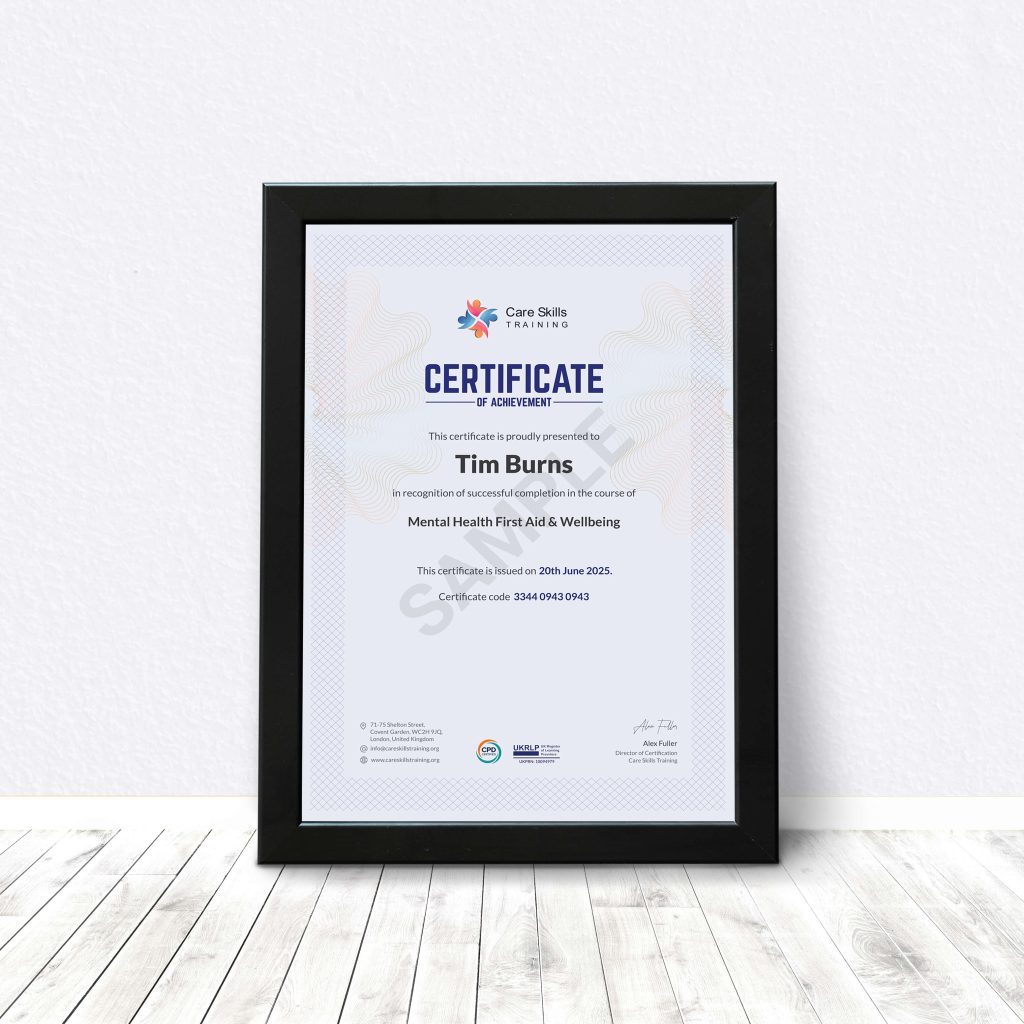
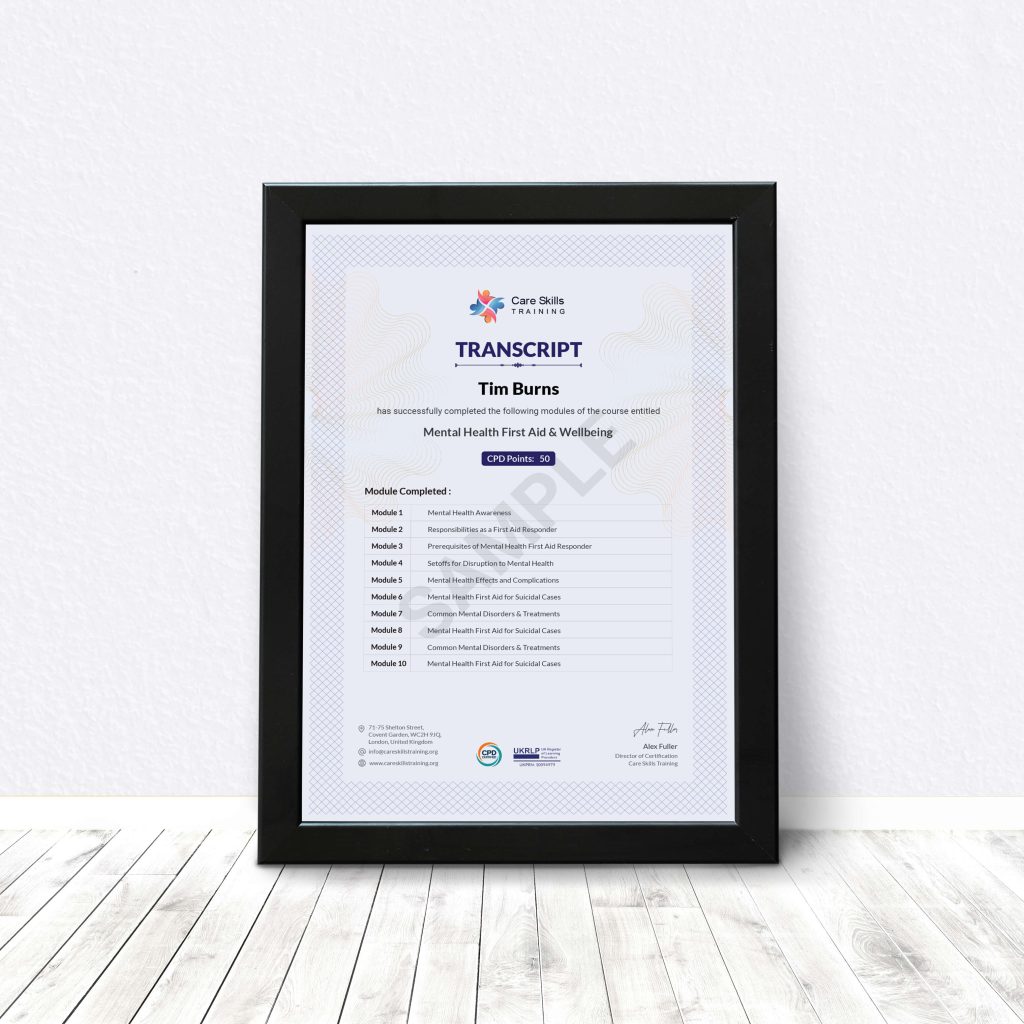
Yes, you’ll have the opportunity to purchase a CPD-accredited certificate and transcript upon completion. Both digital and printed versions are available. -
What is Level 3 Safeguarding Training?
-
What is the difference between level 2 and level 3 safeguarding?
-
How often do you need to renew safeguarding training?
-
Who needs Level 3 safeguarding training?
-
Will I get a certificate after completing a course?
-
How long is safeguarding level 3 valid for?
-
What is Safeguarding Guidance Level 3?
-
Is this course CPD accredited?
-
Is level 3 safeguarding the same as DSL?
-
Is Level 3 safeguarding training mandatory for DSLs?
Frequently Bought Together

 Health and Social Care

 CSTF Training Online UK
 1327 Enrolled
 10 Hours


Certificate & Transcript
Available
Upon completing each course, you will be offered a digital and a printed certificate, along with a detailed transcript, highlighting your skills and supporting your career growth.
14 Days Money-Back Guarantee
14 Days Money-Back Guarantee
- 100% online training
- 4 Hours on-demand video
-
Pay by invoice
- Instant assessment and result
-
Accredited Certificate & Transcript
- 3 hours, 13 minutes
- Average Rating4.9
- Number of students4508 Gift this course
14 Days Money-Back Guarantee
- Suitable for teams of any size
- Individual access per course
-
Pay by invoice
- Free CPD Certificate for every learner
- Account Manager to support your team
- 3 hours, 13 minutes
- Average Rating4.9
- Number of students4508 Gift this course