olu.ezekiel@mcshealthcare.co.uk
Edit ProfileOur Most Popular Categories
Trending
Health and Social Care
First Aid
Care Certificate
Food Hygiene
Mental Health
Safeguarding
Health and Safety
Animal Care & Training
Business Essentials
Career Bundles
Other Courses

olu.ezekiel@mcshealthcare.co.uk
Edit Profileolu.ezekiel@mcshealthcare.co.uk
Edit Profileolu.ezekiel@mcshealthcare.co.uk
Edit Profile- Accredited Dog First Aid, CPR and Grooming
- Pet Nutrition Diploma
- Pet First Aid and CPR Certification
- Pet Care and Psychology Diploma
- Learn to Launch and Grow a Pet Business
- Cat First Aid, CPR and Emergency Care
- Complete Dog Behaviour and Training
- Dog First Aid, CPR & Grooming + Safety for Pet Pros & Owners
olu.ezekiel@mcshealthcare.co.uk
Edit Profile- Care Certificate Course
- Mandatory Training For Care Staff and Care Workers
- Level 2 Safeguarding Children and Vulnerable Adults
- Care Planning and Record Keeping in Health and Social Care
- Family Support Worker Training
- Training For Care Workers (Complete Package)
- Care Certificate Standards (1 to 16) + Level 2 And 3 Diploma in Health and Social Care
- Mandatory Training for Care Home Staff Training
olu.ezekiel@mcshealthcare.co.uk
Edit Profileolu.ezekiel@mcshealthcare.co.uk
Edit Profileolu.ezekiel@mcshealthcare.co.uk
Edit Profileolu.ezekiel@mcshealthcare.co.uk
Edit Profile- Mandatory Training For Care Staff and Care Workers
- Mandatory Training for Care Home Staff Training
- Mandatory and Statutory Trainings For Adult Social Care
- Mandatory Training For Care Assistants
- Mandatory and Core Social Care Courses
- Mandatory Training For Agency Nurses
- Mandatory Training for General Practitioners
- Mandatory Training For Support Workers
olu.ezekiel@mcshealthcare.co.uk
Edit Profileolu.ezekiel@mcshealthcare.co.uk
Edit Profileolu.ezekiel@mcshealthcare.co.uk
Edit Profileolu.ezekiel@mcshealthcare.co.uk
Edit Profileolu.ezekiel@mcshealthcare.co.uk
Edit Profile- Personal Assistant Job Ready Programme
- Health and Safety Job Ready Programme
- Project Management Job Ready Programme
- Virtual Assistant Job Ready Programme
- Teaching Assistant Job Ready Programme
- Assistant Manager Job Ready Programme
- Healthcare Support Worker Job Ready Programme
- Office Manager Job Ready Programme
olu.ezekiel@mcshealthcare.co.uk
Edit Profile- Problem Solving in Leadership: Lead Your Team to Success
- Surviving Office Politics: Mastering Workplace Relationships
- Business Fundamentals Course Online
- Unconscious Bias Training
- ISO 9001 Quality Management System Training (Clauses 6-10)
- ISO 9001 Quality Management System Training (Clauses 1–5)
- Emotional Intelligence Training
olu.ezekiel@mcshealthcare.co.uk
Edit Profileolu.ezekiel@mcshealthcare.co.uk
Edit Profileolu.ezekiel@mcshealthcare.co.uk
Edit Profileolu.ezekiel@mcshealthcare.co.uk
Edit Profileolu.ezekiel@mcshealthcare.co.uk
Edit Profileolu.ezekiel@mcshealthcare.co.uk
Edit Profileolu.ezekiel@mcshealthcare.co.uk
Edit Profileolu.ezekiel@mcshealthcare.co.uk
Edit Profileolu.ezekiel@mcshealthcare.co.uk
Edit Profileolu.ezekiel@mcshealthcare.co.uk
Edit Profileolu.ezekiel@mcshealthcare.co.uk
Edit Profile- Personal Assistant Job Ready Programme
- Health and Safety Job Ready Programme
- Project Management Job Ready Programme
- Teaching Assistant Job Ready Programme
- Assistant Manager Job Ready Programme
- Healthcare Support Worker Job Ready Programme
- Office Manager Job Ready Programme
- Designated Safeguarding Lead (DSL) Job Ready Programme
olu.ezekiel@mcshealthcare.co.uk
Edit Profileolu.ezekiel@mcshealthcare.co.uk
Edit Profileolu.ezekiel@mcshealthcare.co.uk
Edit Profileolu.ezekiel@mcshealthcare.co.uk
Edit Profileolu.ezekiel@mcshealthcare.co.uk
Edit Profileolu.ezekiel@mcshealthcare.co.uk
Edit Profileolu.ezekiel@mcshealthcare.co.uk
Edit Profile- Level 3 Safeguarding Children and Vulnerable Adults
- Level 5 Designated Safeguarding Lead (DSL)
- Safeguarding Level 4 Training
- Designated Safeguarding Lead (Level 3 DSL Training)
- Safeguarding Adults Level 3
- Level 2 Safeguarding Children and Vulnerable Adults
- Level 3 Diploma in Nursing Assistant Training
- Safeguarding Adults Training Level 3
olu.ezekiel@mcshealthcare.co.uk
Edit Profileolu.ezekiel@mcshealthcare.co.uk
Edit Profileolu.ezekiel@mcshealthcare.co.uk
Edit Profileolu.ezekiel@mcshealthcare.co.uk
Edit Profileolu.ezekiel@mcshealthcare.co.uk
Edit Profileolu.ezekiel@mcshealthcare.co.uk
Edit Profile- Diabetes Awareness Training
- Baby Massage Training
- Employment Law Training
- Learn to Launch and Grow a Pet Business
- Complete Dog Behaviour and Training
- Dog First Aid, CPR & Grooming + Safety for Pet Pros & Owners
- Drugs and Alcohol Awareness Training
- Dog Care, Dog Grooming, and Dog First Aid Course Online
olu.ezekiel@mcshealthcare.co.uk
Edit Profile- Care Certificate Standards 1-16 (The Complete Bundle)
- Training For Care Workers (Complete Package)
- Care Certificate Standards (1 to 16) + Level 2 And 3 Diploma in Health and Social Care
- Mandatory Training for Care Home Staff Training
- First Aid Essentials 1 to 6 Bundle
- Leadership and Management Courses
- Mandatory and Statutory Trainings For Adult Social Care
- Level 3 Admin PA and Secretarial Diploma Bundle
olu.ezekiel@mcshealthcare.co.uk
Edit Profile- Yearly Subscription: Unlimited Access to 300+ Courses
- Level 3 Safeguarding Children and Vulnerable Adults
- Level 5 Designated Safeguarding Lead (DSL)
- Care Certificate Course
- Safeguarding Level 4 Training
- Health and Social Care Level 3 Diploma
- Accredited Dog First Aid, CPR and Grooming
- Trauma-Informed Care Training



olu.ezekiel@mcshealthcare.co.uk
Edit Profile
Safeguarding Level 4 Training
 4.7
Last updated:
8th September 20265 CPD Points
14 Days Money-Back Guarantee


- 100% online training
- 5 Hours on-demand video
-
Pay by invoice

- Instant assessment and result
- Accredited Certificate & Transcript
- 4 hours, 20 minutes
- Average Rating4.9
- Number of students3476 Gift this course
14 Days Money-Back Guarantee

- Suitable for teams of any size
- Individual access per course
-
Pay by invoice
- Free CPD Certificate for every learner
- Account Manager to support your team
- 4 hours, 20 minutes
- Average Rating4.9
- Number of students3476 Gift this course


Access to 300+ courses with free CPD certificates for Only £59 Enrol Now.
Access to 300+ courses with free CPD certificates for Only £59. Enrol Now
What you will learn
- Develop skills to lead multi-agency partnerships and manage allegations properly
- Understand key legislation and safeguarding policies in the UK care sector
- Learn how to implement safeguarding strategies in complex care situations
- Explore the six safeguarding principles and apply them to real-world settings
- Gain insight into liberty, capacity, and the use of DoLS in safeguarding
- Strengthen decision-making in high-risk cases to ensure the competence of vulnerable individuals
Description
Safeguarding is the process of protecting people’s health, well-being, and human rights, yet many professionals lack the confidence to identify concerns, respond appropriately and meet their legal duties. This raise a question, could you recognise the signs of abuse early enough to protect someone at risk?
Care Skills Training crafted the safeguarding level 4 training course for professionals in healthcare, education, and social care who hold designated safeguarding lead (DSL) roles or strategic responsibility. If you oversee safeguarding policies or play a serious role in safeguarding concerns, this advanced level 4 safeguarding training is essential for you.
In this CPD-accredited Level 4 safeguarding training online course, you’ll explore child and young people protection frameworks, the UK’s safeguarding history, and key legal requirements, including the Care Act under current legislation and the Mental Capacity Act. Plus, you’ll learn to recognise different forms of abuse and neglect, understand children’s and adults’ behaviour, emotional development of a person, and apply the 6 safeguarding principles effectively in real-world settings. This level 4 safeguarding course also includes guidance on capacity, liberty, and best practice for the use of the Deprivation of Liberty Safeguards (DoLS).
The training also supports learners in leading multi-agency partnerships, handling allegations appropriately, and ensuring compliance with the Children Act, Working Together to Safeguard Children and vulnerable adults, and other UK safeguarding legislation. Whether you’re a safeguarding lead, manager, school DSL, or work in care leadership, this course will enhance your ability to lead vulnerability with confidence and ensure child protection at all levels.
Study online at your own pace with flexible learning and dedicated learner support. Upon successful completion, you can also purchase a CPD-accredited certificate to demonstrate your professional development and commitment to safeguarding best practice. Strengthen your safeguarding knowledge today and help create safer environments for children and vulnerable adults.
Show More


Course Curriculum
Introduction to Safeguarding

Introduction to Safeguarding
The Concept of Harm and Neglect in Safeguarding
The Concept of Abuse and Different Types of Abuse
The Six Principles of Safeguarding
Understanding Child Abuse
Legal Frameworks to Prevent Child Abuse
Safeguarding Children Against Child Abuse

Social and Emotional Development of Children for Safeguarding
Understanding Adult Abuse
How to Safeguard Vulnerable Adults
How to Respond to Adult Abuse Incidents
Legal Frameworks for Safeguarding Adults
Risk Assessment in Safeguarding Children and Vulnerable Adults
Applying DoLS in Practice
Foundations of Liberty and Capacity
Additional resource
Quiz

This Safeguarding Level 4 Training is ideal for
- Safeguarding Leads, Managers, and Supervisors
- Healthcare Professionals
- Social Workers and Care Managers
- Education Professionals and School Leaders
- Police, Probation, and Local Authority Staff
- Anyone with senior safeguarding responsibilities or leadership duties
Course Reviews
Analiza Eliot
knowledge and educative
Molly Piggott
greatcourse
Nadia Farrar
Really informative
Olivia Hudson
A great tool for learning
Catherine Grimes
good thanks
Emely Bumatay
Online safeguarding level 4 training was a highly valuable and insight experience that has strengthened both...
Read more

Show All Reviews
FAQ for Safeguarding Level 4 Training
Will I get a certificate after completing a course?
What is the difference between Safeguarding Level 3 and Level 4?
Do I need previous safeguarding training to take this course?
What is level 4 safeguarding training?
Is this course suitable for Designated Safeguarding Leads (DSLs)?
Will I receive a certificate after completing the course?
How long does level 4 safeguarding certificate last?
Can I take this course online and at my own pace?
Who needs level 4 safeguarding training?
How long does safeguarding level 4 last?
What are the 4 C's of safeguarding?
What is a level 4 safeguarding issue?
Does this course cover both child and adult safeguarding?
Is safeguarding a good career?
Frequently Bought Together

 CSTF Training Online UK
 4406 Enrolled
 4 Hours


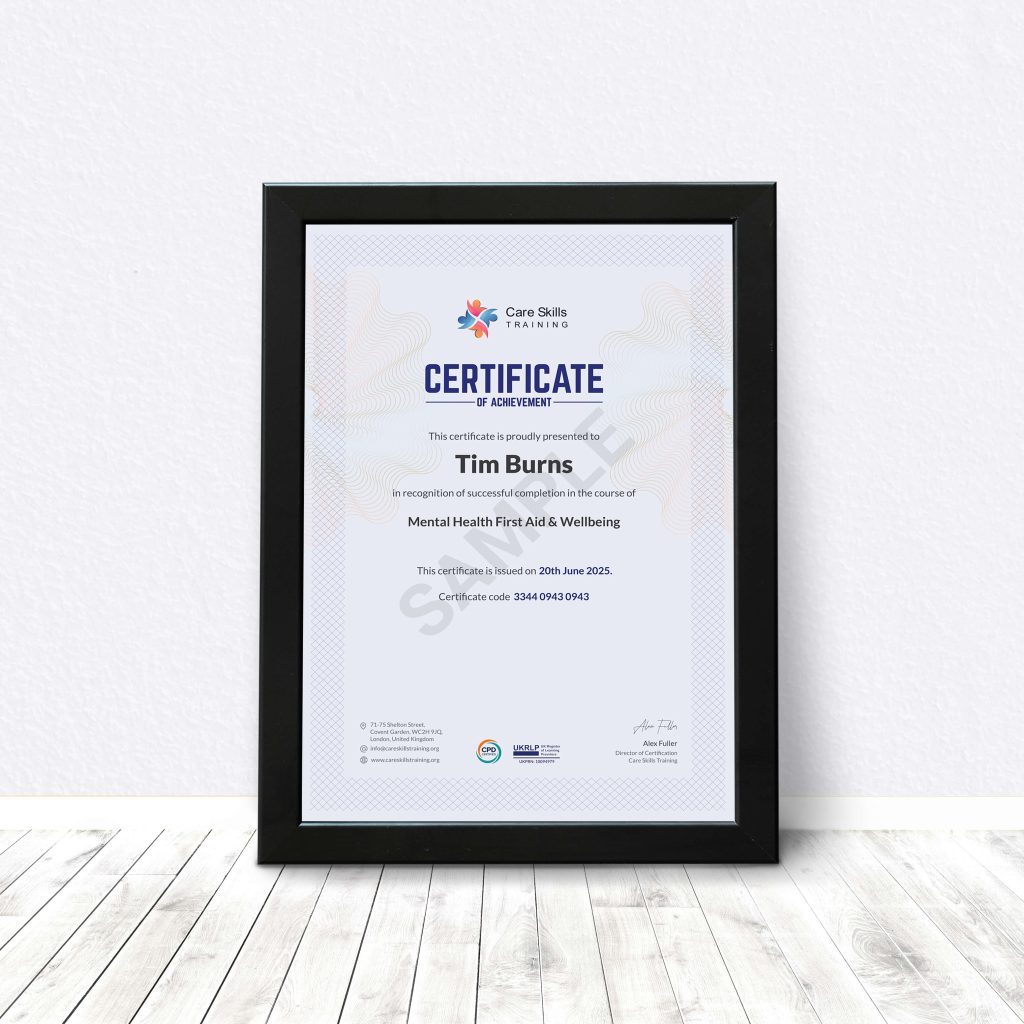
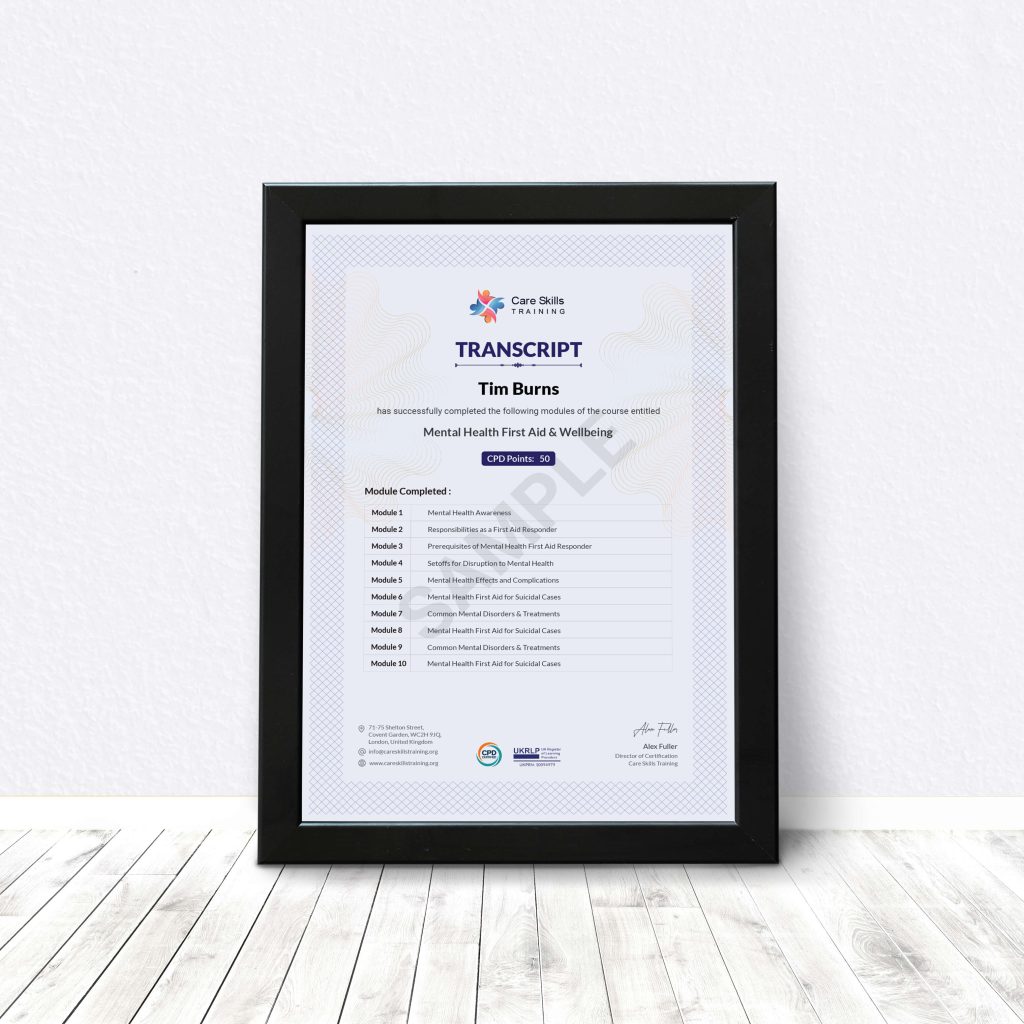
Certificate & Transcript
Available
Upon completing each course, you will be offered a digital and a printed certificate, along with a detailed transcript, highlighting your skills and supporting your career growth.
14 Days Money-Back Guarantee
14 Days Money-Back Guarantee
- 100% online training
- 5 Hours on-demand video
-
Pay by invoice
- Instant assessment and result
-
Accredited Certificate & Transcript
- 4 hours, 20 minutes
- Average Rating4.9
- Number of students3476 Gift this course
14 Days Money-Back Guarantee
- Suitable for teams of any size
- Individual access per course
-
Pay by invoice
- Free CPD Certificate for every learner
- Account Manager to support your team
- 4 hours, 20 minutes
- Average Rating4.9
- Number of students3476 Gift this course